Protein is one of the most important nutrients in a cat’s diet. Cats are obligate carnivores, which means their bodies are naturally adapted to obtain many essential nutrients from animal based foods. A good cat food usually contains a carefully selected source of protein that supports muscles, organs, skin, fur, and normal body functions.
When choosing cat food, many pet owners look at the ingredient list and notice words such as chicken, turkey, beef, fish, egg, or meat meal. Understanding these ingredients can make it easier to choose food that matches your cat’s age, lifestyle, and nutritional needs.
This guide explains the best protein sources commonly found in cat food, what makes each source useful, and what pet owners should consider when comparing different formulas.
Why Protein Is Important for Cats
Protein provides amino acids that cats need to maintain their bodies. Some amino acids are especially important because cats cannot produce enough of them on their own.
Cats use dietary protein for several important functions. It helps maintain muscle tissue, supports normal growth, contributes to healthy skin and fur, and provides materials needed for enzymes and other body processes.
A cat’s protein needs can vary depending on age, activity level, body condition, and overall health. Kittens generally need nutrient dense food to support growth. Adult cats need enough protein to maintain their muscles and body condition. Older cats may also benefit from an appropriate amount of high quality protein, although individual health conditions can change dietary needs.
Protein quality matters, but the complete nutritional profile of the food matters too. A food should provide the nutrients a cat needs rather than simply having a high percentage of protein on the label.
Chicken as a Common Cat Food Protein
Chicken is one of the most common protein sources used in cat food. It is widely available and can provide a good supply of animal protein.
Chicken is included in many dry foods, wet foods, treats, and specialized formulas. Some products use chicken as the main meat ingredient, while others combine it with additional protein sources.
Chicken can be particularly useful for cats that enjoy poultry based foods. However, the presence of chicken on an ingredient list does not automatically mean that every formula is nutritionally complete. It is important to look at the entire nutritional profile.
Chicken meal is another ingredient commonly found in cat food. Meal is made by processing the ingredient and removing much of its water. Because dry cat food contains relatively little moisture, concentrated meat ingredients can provide a practical source of protein.
Turkey Protein in Cat Food
Turkey is another popular poultry protein. It is often used in both wet and dry cat food.
Turkey provides animal protein and can add variety to a cat’s diet. Some formulas use turkey as the primary protein, while others combine turkey with chicken or other ingredients.
Turkey may be a useful choice for households looking for different poultry based foods. As with any cat food, the formula should be selected according to the cat’s nutritional needs rather than based only on the name of one ingredient.
Beef as a Protein Source
Beef is also found in many cat food recipes. It provides animal protein and can be used in canned, pouch, and dry formulas.
Some cats enjoy the stronger flavor of beef based foods. Wet foods containing beef can also provide additional moisture, which is important because cats naturally have a relatively low thirst drive.
Beef is not necessary for every cat, but it can be part of a complete and balanced diet when used in an appropriately formulated food.
Pet owners should also remember that individual cats can have different food sensitivities. If a cat develops repeated digestive problems or other signs after eating a particular ingredient, discussing the situation with a veterinarian is appropriate.
Fish and Seafood Proteins
Fish is another familiar protein source in cat food. Common examples include salmon, tuna, sardines, and other fish ingredients.
Fish can provide protein along with certain fats that are useful in a cat’s diet. Some fish based foods are also highly appealing to cats because of their strong aroma.
However, fish does not have to be the only protein in a cat’s diet. Some formulas combine fish with poultry or other animal ingredients.
It is also important to avoid assuming that a cat should eat human canned tuna as its main food. Human foods are not necessarily nutritionally complete for cats. A properly formulated cat food is designed to provide a broader range of required nutrients.
Salmon in Cat Food
Salmon is a popular ingredient in many premium and everyday cat food formulas. It supplies animal protein and contains naturally occurring fats.
Salmon is often found in wet cat food and dry kibble. Some recipes use salmon as the main animal ingredient, while others use salmon together with poultry.
Many cats enjoy the taste of salmon, making it useful for pets that are selective about food. However, flavor preference should not replace attention to complete nutrition.
When selecting salmon based cat food, check whether the product is labeled as complete and balanced for the appropriate life stage.
Egg Protein
Egg is a highly useful animal protein ingredient that can appear in some cat foods.
Egg contains a broad range of amino acids and is often used as an additional protein source rather than the main ingredient. It can be included in dry and wet recipes.
Egg based ingredients can contribute to the overall protein profile of a cat food. However, cats do not need to eat eggs separately if their complete cat food already provides the nutrients they require.
If a cat has a known food allergy or sensitivity, the ingredient list should be checked carefully.
Lamb as an Alternative Protein
Lamb is sometimes used in cat food formulas as an alternative animal protein. It can provide variety for cats that have eaten the same protein sources for a long time.
Lamb is found in both wet and dry products. Some recipes use lamb as the primary meat, while others combine it with poultry or other proteins.
The term alternative protein does not mean that lamb is automatically better than chicken, turkey, or beef. Its usefulness depends on the individual cat and the nutritional formulation of the food.
Rabbit Protein
Rabbit is another animal protein found in certain cat foods. It is less common than chicken or beef but is used in some specialized and limited ingredient recipes.
Rabbit can be useful when a pet owner wants a less commonly used protein source. Veterinarians may also recommend specific diets containing novel proteins in certain situations involving suspected food reactions.
However, a novel protein should not be selected simply because it sounds healthier. If a cat has a medical condition or suspected food allergy, dietary decisions should be made with veterinary guidance.
Duck Protein
Duck is another poultry based protein found in some cat food formulas. It can provide animal protein while giving cats a different flavor from more common poultry ingredients.
Duck may appear in wet food, dry kibble, or treats. It is sometimes combined with other poultry or animal proteins.
For most healthy cats, the most important consideration is whether the complete food provides appropriate nutrition for the cat’s life stage and condition.
Meat Meals and Concentrated Protein
Many pet owners become concerned when they see the word meal in a cat food ingredient list. However, meat meal is not automatically a poor ingredient.
Meat meals are concentrated ingredients because much of their water has been removed during processing. This can make them useful sources of protein in dry cat food.
For example, chicken meal can provide concentrated chicken protein. When evaluating a dry food, it is important to consider the ingredient list as a whole rather than rejecting an ingredient simply because it contains the word meal.
The quality and identity of the ingredient matter. A clearly named animal ingredient can make it easier for owners to understand what type of protein the food contains.
Animal Protein Compared With Plant Protein
Cats can digest and use nutrients from various ingredients, but they have specific nutritional requirements that make animal based ingredients particularly important.
Animal proteins can provide essential amino acids that cats need. Some plant ingredients can contribute protein to a formula, but they do not necessarily provide the same nutritional profile as animal tissues.
This is one reason cat food should be formulated specifically for cats rather than adapted from dog food or human diets.
The total nutritional balance is more important than focusing on a single ingredient. A complete cat food is designed to provide appropriate levels of protein, fats, vitamins, minerals, and other essential nutrients.
How to Read the Protein Ingredients on a Cat Food Label
Reading a cat food label can initially feel confusing. Start by looking at the named animal ingredients.
You may see ingredients such as chicken, turkey, salmon, beef, chicken meal, fish meal, or egg. These ingredients contribute to the overall protein content of the food.
Next, check the guaranteed analysis. This section usually provides information about crude protein, crude fat, crude fiber, and moisture.
Remember that the protein percentage shown on a wet food label cannot be compared directly with the percentage shown on a dry food label because wet food contains much more water.
For a more accurate comparison, pet owners can consider protein on a dry matter basis. This removes the effect of water from the calculation.
Does More Protein Always Mean Better Cat Food?
Not necessarily. A higher protein percentage by itself does not tell you whether a cat food is appropriate.
Cats need sufficient protein, but they also need other nutrients. A complete diet should provide the right balance for the cat’s life stage.
Ingredient quality, digestibility, calories, fat content, moisture, and overall formulation all matter.
A food with a very high protein number is not automatically the right choice for every cat. Cats with certain medical conditions may also require diets with specific nutritional characteristics.
This is why it is better to evaluate the whole product rather than choosing food based on one number printed on the package.
Protein Needs of Kittens
Kittens are growing rapidly, so their nutritional needs are different from those of adult cats.
Kitten food is generally formulated to provide the additional nutrients and energy needed during growth. Protein is particularly important because growing kittens are developing muscle and other tissues.
Common kitten food proteins include chicken, turkey, fish, beef, and egg.
When feeding a kitten, choose food specifically designed for kittens or for the appropriate growth stage. Adult maintenance food may not provide the same nutritional profile required during rapid development.
Protein for Adult Cats
Adult cats need enough protein to maintain healthy muscles and body tissues.
An adult cat’s ideal diet depends on its activity level, body condition, and overall health. An active cat may have different energy requirements from a less active indoor cat.
Many adult cat foods contain chicken, turkey, beef, fish, or combinations of several animal proteins.
Portion control is also important. Even nutritious food can contribute to excess weight if a cat regularly consumes more calories than it needs.
Protein for Older Cats
Older cats may experience changes in appetite, muscle mass, activity, and overall health.
It is a common mistake to assume that every senior cat automatically needs a low protein diet. Healthy older cats may still need adequate high quality protein to help maintain muscle.
However, cats with diagnosed medical conditions may require specific dietary recommendations. Kidney disease is one example where nutritional management can become more complicated.
If an older cat has lost weight, stopped eating normally, or developed changes in thirst or urination, a veterinarian should evaluate the cat rather than relying only on a change in protein source.
Wet Food and Protein Sources
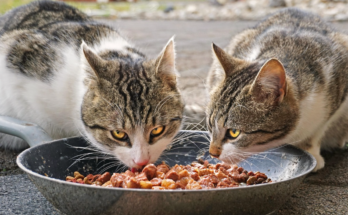
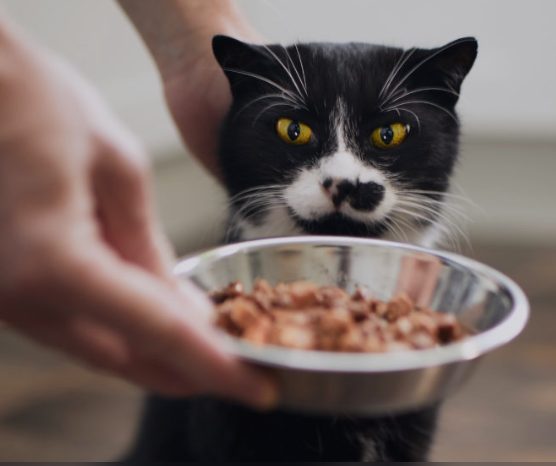
Wet cat food can contain many of the same protein sources found in dry food. Chicken, turkey, beef, fish, rabbit, duck, and other animal ingredients are common.
One important advantage of wet food is its high moisture content. Cats often do not drink large amounts of water voluntarily, so food can contribute significantly to daily water intake.
Wet food can be particularly useful for cats that do not drink much water. However, individual dietary needs vary, and both wet and dry foods can be formulated as complete diets.
Dry Food and Protein Sources
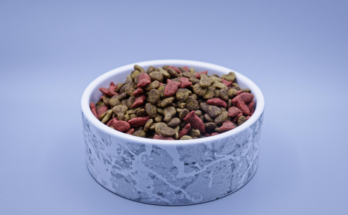
Dry cat food commonly uses concentrated animal ingredients such as chicken meal or fish meal.
Because dry food contains relatively little water, protein ingredients can be concentrated during manufacturing.
Dry food is convenient to store and measure. It can also be useful for households that prefer a feeding routine based on measured portions.
The important point is not whether the food is wet or dry alone. Instead, check whether the product is complete and balanced and whether it suits the individual cat.
Choosing a Protein Source for Your Cat
There is no single protein source that is perfect for every cat.
Start with your cat’s age, activity level, body condition, and overall health. Then consider the food’s complete nutritional profile.
If your cat has always done well with chicken, there may be no reason to change simply because another protein sounds more appealing.
If your cat has digestive problems, repeated skin problems, or other unusual reactions associated with food, speak with a veterinarian before making major dietary changes.
For healthy cats, variety can sometimes be useful, especially when different complete and balanced foods are introduced gradually.
Signs That Your Cat May Not Be Tolerating a Food
Cats can experience digestive or other problems for many reasons, so a symptom does not automatically mean that a specific protein is responsible.
Possible signs of food intolerance or another dietary problem can include vomiting, diarrhea, changes in stool, itching, skin irritation, or reduced appetite.
If these signs continue or become severe, veterinary advice is important.
Avoid repeatedly changing foods without understanding the cause. Frequent diet changes can make it difficult to identify what is actually affecting the cat.
Common Mistakes When Choosing Cat Food
One common mistake is choosing food only because the package says high protein.
Another mistake is focusing entirely on the first ingredient while ignoring the complete nutritional information.
Some owners also assume that expensive food is automatically better. Price can reflect many factors, but cost alone does not guarantee that a particular food is the right choice for an individual cat.
Another mistake is changing a cat’s food suddenly. Cats often prefer familiar smells and textures. Gradual transitions can make dietary changes easier for many cats.
Finally, avoid treating human meat or fish as a replacement for complete cat food. Plain meat may provide protein but does not contain every nutrient a cat needs.
Final Thoughts
The best protein sources commonly found in cat food include chicken, turkey, beef, fish, salmon, egg, lamb, rabbit, and duck. Each can contribute valuable animal protein when used as part of a properly formulated diet.
The most important thing is not to search for one perfect protein. Instead, choose a complete and balanced cat food that matches your cat’s age, lifestyle, body condition, and individual needs.
Read the ingredient list, check the nutritional information, consider moisture content, and pay attention to how your cat responds to the food. If your cat has a medical condition, unexplained weight changes, persistent digestive problems, or suspected food allergies, discuss the diet with a veterinarian.
A thoughtful approach to protein can help pet owners make better feeding decisions while supporting their cat’s long term health and well being.