Choosing the best cat food for healthy and active cats is one of the most important decisions a cat owner can make. Cats need a balanced diet that gives them enough energy, protein, vitamins, minerals, and healthy fats to stay active and strong. The right food can support healthy muscles, a shiny coat, strong bones, good digestion, and a healthy immune system.
Every cat is different, so the best cat food may depend on age, activity level, size, lifestyle, and individual nutritional needs. An active young cat may need more calories than a less active adult cat. Understanding what makes quality cat food can help you make a better choice for your pet.
Why Good Cat Food Is Important
Cats are natural carnivores, which means animal based nutrition is very important for their health. Their bodies are designed to use nutrients from animal sources efficiently. A good diet should provide high quality protein along with essential fats, vitamins, minerals, and enough moisture.
Healthy cat food can help maintain strong muscles and provide energy for daily activities. It can also support the immune system and help your cat maintain a healthy body weight. Poor quality food may contain unnecessary fillers and may not provide the right balance of essential nutrients.
Feeding your cat the right food is not only about satisfying hunger. It is about giving the body the nutrition it needs to function properly every day.
Look for High Quality Protein
Protein is one of the most important nutrients in the best cat food for healthy and active cats. Cats need protein to build and maintain muscles, especially when they spend a lot of time playing, running, climbing, and exploring.
Look for cat food that lists a quality animal protein source near the beginning of the ingredient list. Chicken, turkey, beef, fish, and other animal proteins can be useful sources of essential amino acids.
Active cats may benefit from a diet with enough protein because their muscles are regularly being used. Kittens also need plenty of protein because they are growing rapidly. However, the ideal amount can vary depending on the cat, so it is important to consider the complete nutritional profile rather than focusing on protein alone.
Choose Food With Healthy Fats
Healthy fats are another important part of a balanced cat diet. Fats provide concentrated energy and can help support healthy skin and a shiny coat. Some fats also provide essential fatty acids that cats need for normal body functions.
Omega fatty acids can be particularly useful for maintaining skin and coat health. They may also support normal immune function. Fish oils and other quality animal based fat sources are commonly included in premium cat foods.
Because fats are calorie dense, portions should still be controlled. Feeding too much food, even when it contains healthy ingredients, can contribute to weight gain.
Wet Cat Food Can Support Hydration
Water is essential for every cat, but some cats do not naturally drink enough water during the day. Wet cat food contains significantly more moisture than dry food, making it a useful option for increasing daily water intake.
Wet food can be especially helpful for cats that prefer soft textures or do not drink much from their water bowl. It can also be combined with dry food as part of a balanced feeding routine.
Some owners choose to feed wet food at certain meals and dry food at others. The most important thing is to make sure the total daily diet provides appropriate nutrition and calories.
Dry Cat Food Has Its Benefits
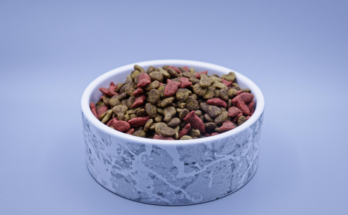
Dry cat food can also be a convenient choice for healthy and active cats. It is easy to store, simple to measure, and can work well with feeding routines. Some cats also enjoy the crunchy texture of dry kibble.
When choosing dry food, pay attention to the ingredient list and nutritional information. A quality dry cat food should provide adequate animal based protein and essential nutrients.
Dry food should not replace access to fresh drinking water. Cats eating mostly dry food should always have clean water available.
Consider Your Cat’s Age
Age plays an important role when choosing the best cat food. Kittens, adult cats, and senior cats have different nutritional requirements.
Kitten food is designed to support rapid growth and development. It usually provides higher levels of calories and nutrients needed during early life.
Adult cat food is formulated to support maintenance and everyday health. For an active adult cat, a balanced food with sufficient protein and appropriate calories can help maintain muscle and energy levels.
Senior cats may have different nutritional needs as they become less active. Some older cats may benefit from diets designed specifically for senior health. Your veterinarian can help determine which food is appropriate if your cat has special nutritional requirements.
Pay Attention to Calories
An active cat needs energy, but more food is not always better. The right amount depends on body size, age, activity level, metabolism, and overall health.
A cat that spends hours playing and exploring may require more calories than a cat that sleeps most of the day. However, indoor cats can still gain weight if they receive too many calories.
Check the feeding recommendations on the food package and adjust portions based on your cat’s body condition. Regularly monitoring your cat’s weight can help you notice changes before they become a bigger problem.
Treats should also be included in the overall daily calorie intake. Giving too many treats can make it difficult to maintain a healthy weight.
Avoid Unnecessary Fillers
When shopping for cat food, many owners prefer products with simple and recognizable ingredients. While individual ingredients should not be judged alone, it can be useful to understand what is included in your cat’s food.
Avoid choosing a product based only on attractive packaging or marketing claims. Instead, look for complete and balanced cat food that is appropriate for your cat’s life stage.
The nutritional adequacy statement and feeding information can be more useful than simply choosing the food with the longest list of impressive sounding ingredients.
Wet Food, Dry Food, or a Combination
There is no single feeding method that works for every cat. Some cats prefer wet food, while others enjoy dry kibble. A combination of both can also be a practical option.
Mixed feeding can provide variety while helping your cat receive moisture from wet food and the convenience of dry food. If you change your cat’s diet, introduce the new food gradually. A sudden change can sometimes cause digestive upset.
A slow transition over several days can help your cat adjust to the new taste and texture.
Food for Active Cats
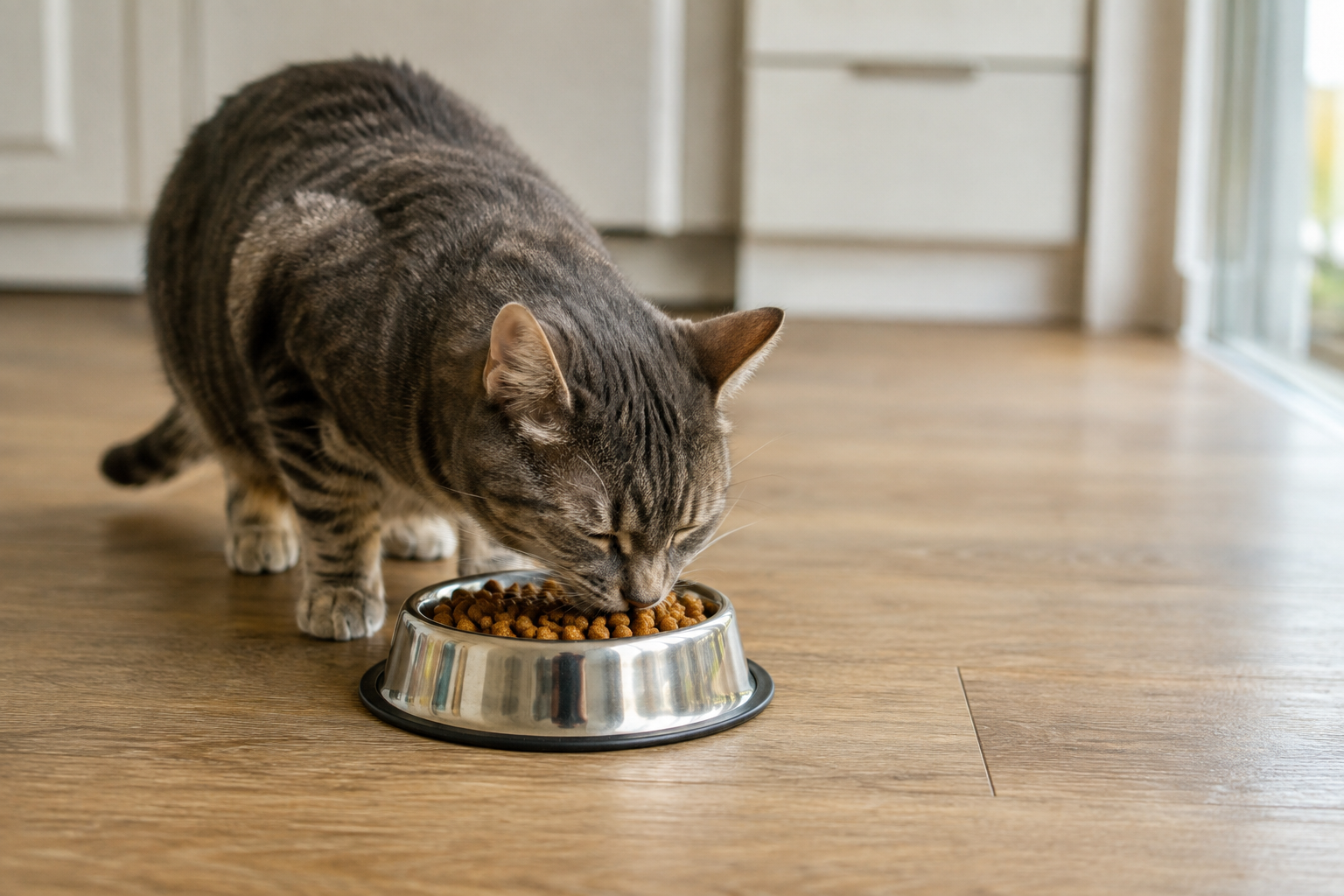
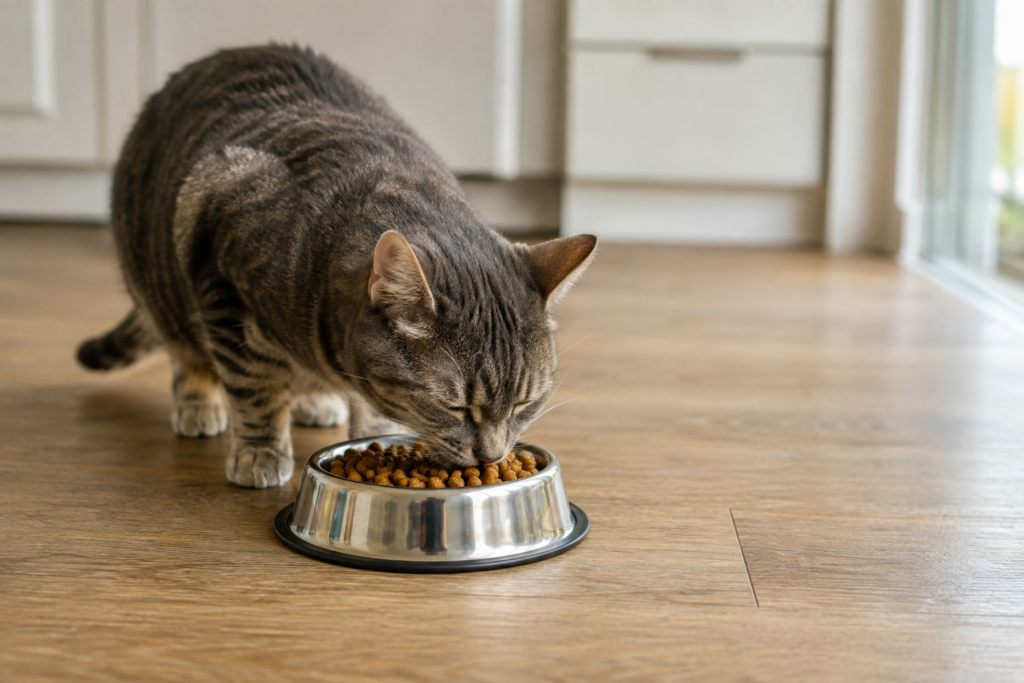
Active cats often need a diet that provides enough quality protein and calories to support their lifestyle. Cats that regularly play, climb, explore outdoors, or participate in other physical activities may use more energy than sedentary cats.
However, activity level should not be the only factor considered. A complete diet should still provide appropriate vitamins, minerals, fats, amino acids, and other essential nutrients.
If your cat seems unusually tired, loses weight without explanation, or develops changes in appetite, speak with a veterinarian rather than simply increasing food portions.
Read the Cat Food Label
Learning how to read a cat food label can make choosing the best cat food much easier. Look for information about the ingredients, nutritional content, feeding instructions, and life stage.
The first ingredients can give you an idea about the major components of the food. You should also check whether the food is described as complete and balanced for your cat’s specific life stage.
Do not choose food based only on one ingredient. A healthy diet depends on the overall nutritional balance of the product.
Signs Your Cat Is Eating Well
Your cat’s appearance and behavior can provide useful clues about whether its diet is working well. A healthy cat will generally have good energy, normal appetite, healthy skin, and a clean shiny coat.
Healthy body condition is also important. You should be able to feel your cat’s ribs without seeing them prominently. A veterinarian can help you determine whether your cat is at an appropriate weight.
Good digestion is another positive sign. Regular bowel movements and normal stool consistency can indicate that your cat is tolerating its diet well.
When to Talk to a Veterinarian
Every cat has individual nutritional needs. If your cat has allergies, digestive problems, kidney issues, urinary concerns, obesity, or another health condition, choosing food may require professional guidance.
A veterinarian can assess your cat’s age, weight, activity level, and health condition and recommend an appropriate diet. This is especially important if you notice sudden changes in appetite, thirst, weight, energy, or digestion.
Final Thoughts
The best cat food for healthy and active cats should provide balanced nutrition, quality protein, healthy fats, essential vitamins and minerals, and appropriate calories. Both wet and dry food can be useful when they are nutritionally complete and suitable for your cat.
Instead of choosing food based only on price or advertising, read the label and consider your cat’s age, lifestyle, activity level, and health needs. Providing fresh water, controlling portions, and monitoring your cat’s weight are also important parts of good nutrition.
A healthy diet can support strong muscles, steady energy, healthy skin, a beautiful coat, and overall wellbeing. By choosing nutritious cat food and paying attention to your cat’s changing needs, you can help your feline friend stay healthy, active, and happy for years to come.