Protein is one of the most important nutrients in a dog’s diet. Every dog needs protein to stay active, maintain healthy muscles, support body functions, and enjoy a strong and healthy life. Whether you have a small puppy, an adult dog, or an older dog, choosing food with the right amount of quality protein can make a major difference in overall health.
Many dog owners focus on calories, vitamins, and minerals when choosing dog food, but protein should never be ignored. A balanced diet with suitable protein helps dogs grow properly, repair body tissues, maintain strength, and support a healthy immune system. Understanding the importance of protein in a dog’s diet can help pet owners make better decisions about everyday nutrition.
What Is Protein and Why Do Dogs Need It?
Protein is made from smaller substances called amino acids. Dogs use these amino acids to build and repair different parts of their bodies. Protein is especially important for muscles, skin, hair, organs, and other tissues.
Dogs naturally need protein because their bodies are constantly growing, repairing, and replacing cells. Active dogs use protein to support their muscles, while puppies need it for rapid growth and development. Adult dogs need enough protein to maintain their bodies, and older dogs may also benefit from appropriate protein as part of a balanced diet.
The quality and amount of protein matter. A dog food should provide suitable protein from nutritious ingredients and should be designed to meet the nutritional needs of the particular dog.
Protein Supports Healthy Muscle Development
One of the biggest benefits of protein for dogs is its role in muscle health. Muscles require amino acids for growth, maintenance, and repair. Dogs that are active every day depend on strong muscles for running, walking, playing, and normal movement.
Puppies especially need adequate protein because their bodies are developing quickly. A proper puppy diet provides nutrients that support healthy growth without creating unnecessary nutritional imbalances.
Adult dogs also need protein to maintain muscle mass. Regular exercise combined with a balanced diet can help a healthy dog stay strong and active. Protein alone does not build perfect muscles, but it is an essential part of proper nutrition.
Protein Helps Support Healthy Growth
Growing puppies have different nutritional needs from adult dogs. Their bodies are developing bones, muscles, organs, skin, and other tissues. Protein provides amino acids that are needed during these important stages of development.
Choosing high quality puppy food with an appropriate protein level can help provide the nutrients a growing dog needs. However, more protein is not always better. Puppies need a complete and balanced diet that provides the right combination of protein, fats, carbohydrates, vitamins, and minerals.
Pet owners should choose food according to their dog’s age, size, activity level, and individual nutritional needs.
Protein Supports Skin and Coat Health
A dog’s skin and coat can also benefit from adequate protein. Hair and skin contain proteins, so nutrition plays an important role in maintaining their normal condition.
A dog receiving a balanced diet with appropriate protein may have a healthier looking coat and normal skin. On the other hand, poor nutrition can affect the condition of a dog’s coat and overall appearance.
Protein is only one part of skin and coat nutrition. Healthy fats, vitamins, minerals, hydration, and proper grooming are also important. A complete dog food should provide these nutrients in suitable amounts.
Protein Helps the Immune System
The immune system protects dogs from many everyday health challenges. Protein contributes to the production and maintenance of substances involved in normal immune function.
A nutritious diet gives the body the building materials it needs to perform important functions. When a dog receives a complete and balanced diet, protein works together with vitamins, minerals, fats, and other nutrients to support overall health.
This is one reason why feeding a dog a poor quality or nutritionally incomplete diet for a long period can be a problem. Good nutrition provides the foundation for a healthy body.
Protein Supports Tissue Repair
Dogs can experience normal wear and tear on their bodies every day. Running, playing, exercising, and simply living an active life can place demands on muscles and other tissues.
Protein provides amino acids that the body uses for normal tissue maintenance and repair. This is particularly important for active dogs and dogs recovering from certain physical challenges.
However, if a dog has an injury or medical condition, diet changes should be discussed with a veterinarian. Protein cannot replace proper medical treatment.
Best Sources of Protein for Dogs
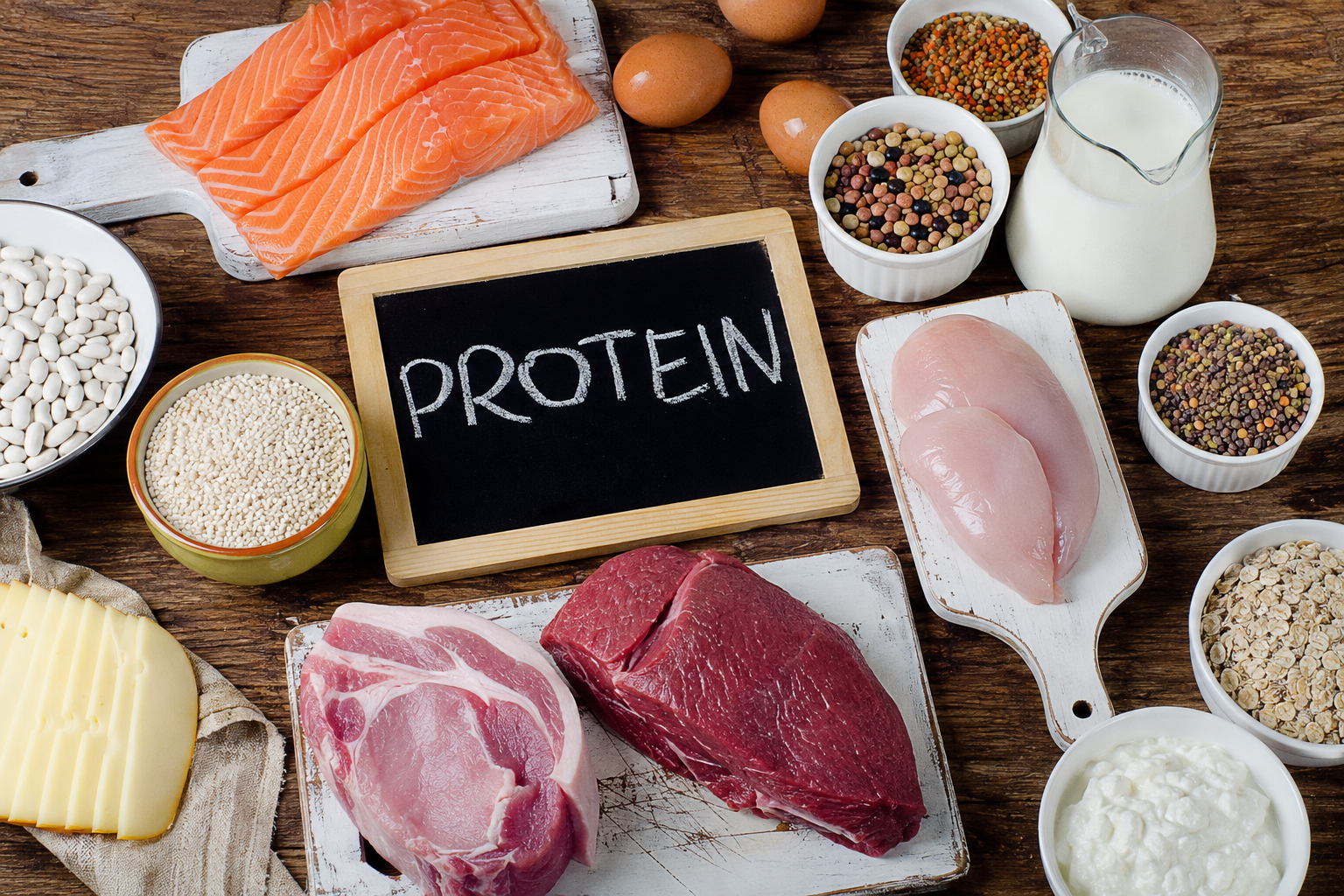
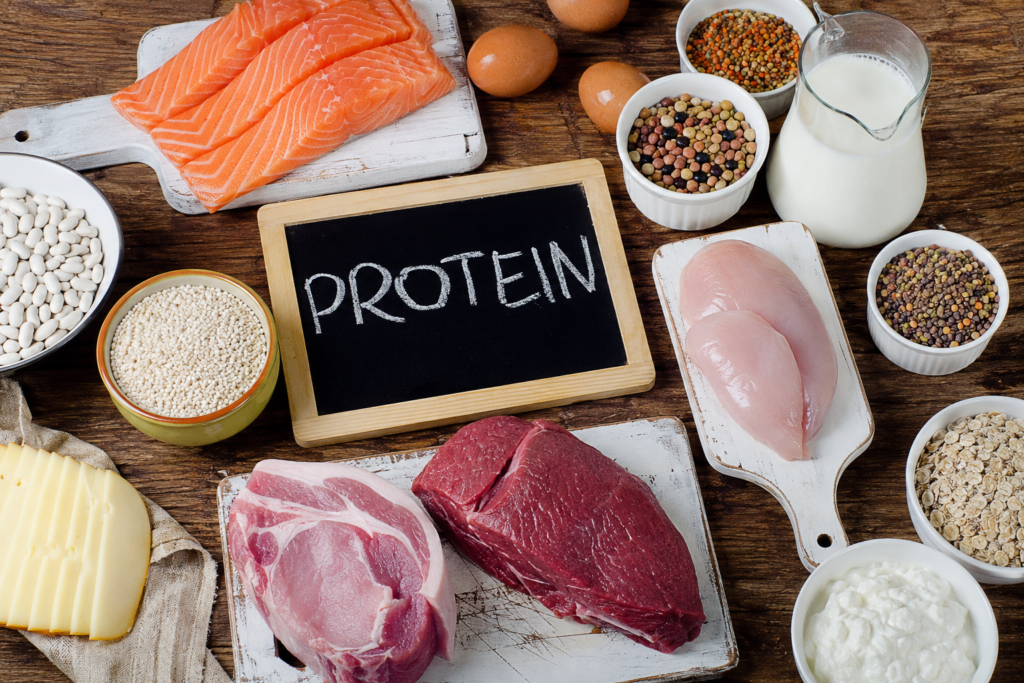
Protein can come from both animal and plant ingredients. Common protein sources found in dog food include chicken, turkey, beef, lamb, fish, eggs, and other animal based ingredients. Some dog foods also contain plant proteins from ingredients such as peas, lentils, beans, or grains.
Animal proteins can provide important amino acids, while properly formulated plant ingredients can also contribute to a complete nutritional profile. The most important thing is that the finished dog food provides the nutrients a dog needs in appropriate amounts.
When choosing dog food, look beyond one ingredient on the package. A product should be complete and balanced for the dog’s life stage and should come from a trustworthy manufacturer.
How Much Protein Does a Dog Need?
The amount of protein a dog needs depends on several factors. Age, body size, activity level, health condition, and life stage can all affect nutritional requirements.
Puppies generally need diets designed for growth. Active dogs may have different nutritional needs from dogs that spend most of the day resting. Pregnant or nursing dogs also have special nutritional requirements.
Because individual dogs are different, there is no single protein level that is perfect for every dog. Following the feeding guidance on a quality dog food package and discussing specific needs with a veterinarian can help owners choose an appropriate diet.
Protein for Senior Dogs
Senior dogs often experience changes in activity, metabolism, and body condition. Some older dogs may lose muscle if they do not receive enough appropriate nutrition and remain physically active.
Adequate high quality protein can help support muscle maintenance in healthy senior dogs. However, older dogs may also develop health conditions that require specific dietary management.
For this reason, senior dog nutrition should not be based only on protein percentage. The entire nutritional profile matters, and a veterinarian can help determine the most suitable food when an older dog has special needs.
Signs of Poor Nutrition
A poor diet can affect a dog in many ways. Changes such as poor coat condition, reduced energy, loss of muscle, slow recovery, or changes in body weight may sometimes be related to nutritional problems.
These signs can also have many other causes, including illness, stress, parasites, or other health conditions. If a dog shows unusual or persistent changes, it is best to speak with a veterinarian instead of simply changing the amount of protein.
A balanced diet should always be the goal rather than focusing on one nutrient alone.
How to Choose Protein Rich Dog Food
When shopping for dog food, owners should consider the dog’s age, size, activity level, and overall health. Look for a complete and balanced food made by a reliable manufacturer.
Reading the ingredient list can help you understand the main protein sources used in the food. However, the ingredient list should not be the only factor in your decision. Nutritional adequacy and overall formulation are also important.
Avoid assuming that the food with the highest protein percentage is automatically the best choice. Dogs need balanced nutrition, and excessive focus on one nutrient can ignore other important dietary requirements.
Conclusion
The importance of protein in a dog’s diet should never be underestimated. Protein supports muscle development, healthy growth, tissue repair, skin and coat health, and normal immune function. Puppies, active adult dogs, and senior dogs all need appropriate protein as part of a complete and balanced diet.
The best dog food is not simply the food with the most protein. It is a food that provides the right balance of protein, fats, carbohydrates, vitamins, minerals, and other nutrients according to the dog’s individual needs.
By choosing nutritious dog food and paying attention to age, activity level, body condition, and overall health, pet owners can help their dogs enjoy better nutrition and a healthier lifestyle. When a dog has special health needs, consulting a veterinarian is the safest way to determine the most suitable diet.