Good nutrition is one of the most important parts of keeping a pet healthy, active, and comfortable. Cats and dogs need a balanced diet that provides the right amounts of protein, fats, carbohydrates, vitamins, minerals, and water. However, many pet owners make simple feeding mistakes without realizing that these habits can affect their pet’s health over time.
Some nutrition mistakes happen because owners give too much food. Others happen because they choose food based only on price, packaging, or a pet’s preferences. Giving too many treats, changing food too quickly, ignoring portion sizes, and offering unsuitable human foods are also common problems.
Understanding these mistakes can help pet owners make better decisions. A healthy pet diet does not have to be complicated. The goal is to provide appropriate food in suitable portions while paying attention to the pet’s age, size, activity level, and individual needs.
1. Giving Too Much Food
One of the most common pet nutrition mistakes is overfeeding. Many owners believe that giving extra food means they are taking better care of their pets. In reality, regular overfeeding can contribute to excessive weight gain.
A pet’s daily food requirement depends on several factors. These include age, body size, activity level, breed, reproductive status, and overall health. A highly active dog may require more energy than a small dog that spends most of the day resting.
Portion size should therefore be based on the pet’s individual needs rather than simply filling the bowl whenever it looks empty.
Food labels usually provide feeding guidelines, but these are starting points rather than perfect measurements for every animal. Owners should monitor their pet’s body condition and adjust feeding when necessary.
2. Ignoring Portion Sizes
Even when owners choose high quality pet food, feeding too much can create problems. A nutritious food can still contribute to excess weight when the portion is larger than the pet needs.
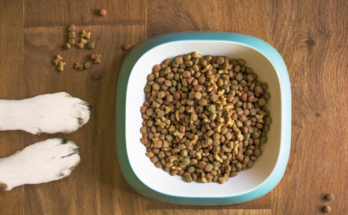
Measuring food is a simple way to improve feeding habits. Instead of estimating the amount by eye, use a proper measuring cup or another consistent method.
Portion control is particularly important for pets that are less active. Indoor cats, older dogs, and pets with limited exercise may need fewer calories than highly active animals.
Regularly checking your pet’s body condition can also help you notice gradual changes before weight becomes a major concern.
3. Giving Too Many Treats
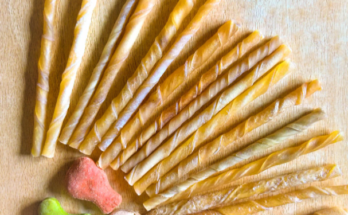
Treats can be useful for training and bonding, but they should not replace balanced meals. One common mistake is giving treats throughout the day without considering how many calories they provide.
Small treats may seem insignificant, but several treats every day can add a surprising amount of energy to a pet’s diet.
Owners should include treats when considering the pet’s overall daily food intake. If a pet receives many treats during training, the amount of regular food may need to be adjusted.
Treats should remain a small part of the overall diet. The main source of nutrition should come from a complete and balanced food appropriate for the pet.
4. Sharing Too Much Human Food
Many pets enjoy human food, and it can be tempting to share meals with them. However, not every food that is safe for people is appropriate for cats or dogs.
Some human foods can be harmful to pets. Foods containing onions, garlic, chocolate, grapes, raisins, alcohol, or certain artificial sweeteners can be dangerous. Foods that are very fatty, salty, or heavily seasoned may also cause digestive problems.
Instead of sharing food from your plate, choose pet appropriate treats when you want to reward your animal.
If you are unsure whether a particular food is safe, check with a veterinarian before offering it.
5. Changing Pet Food Too Quickly
Another common nutrition mistake is switching from one food to another suddenly. Some pets tolerate changes well, but others may develop digestive problems such as loose stools, vomiting, or reduced appetite.
A gradual transition is generally easier for the digestive system. When introducing a new pet food, owners can slowly increase the amount of new food while decreasing the old food over several days.
The exact transition period can vary depending on the pet and the foods involved. Pets with sensitive digestion may require a slower change.
If significant digestive problems occur during a food transition, veterinary advice is appropriate.
6. Choosing Food Only by Price
Price is naturally an important consideration for many families. However, choosing pet food based only on the cheapest option can be a mistake.
The important question is whether the food is appropriate for the pet and provides complete and balanced nutrition.
Owners should read the label and understand what the product is designed to provide. The food should be suitable for the animal’s species and life stage.
A more expensive product is not automatically better, and a lower priced product is not automatically poor quality. Comparing nutritional information and feeding recommendations is more useful than judging food by price alone.
7. Ignoring the Pet’s Life Stage
Pets have different nutritional needs throughout their lives. Puppies and kittens are growing rapidly and need diets designed to support development. Adult animals generally have different energy and nutrient requirements.
Senior pets may also have changing nutritional needs depending on their activity level and health status.
Feeding the same type and amount of food throughout a pet’s entire life without reassessing their needs can lead to nutritional problems.
Pet owners should review their animal’s diet as it moves from one life stage to another.
8. Forgetting About Water
Food receives most of the attention when people discuss pet nutrition, but water is equally important.
Clean and fresh water should be available to pets every day. Water supports many essential body functions, including digestion, circulation, temperature regulation, and normal organ function.
Some pets drink less water than owners expect. Cats, in particular, may have relatively low thirst drive compared with dogs.
Wet food can contribute to overall water intake, but it does not replace the need for access to fresh drinking water.
Water bowls should be cleaned regularly and refilled with fresh water.
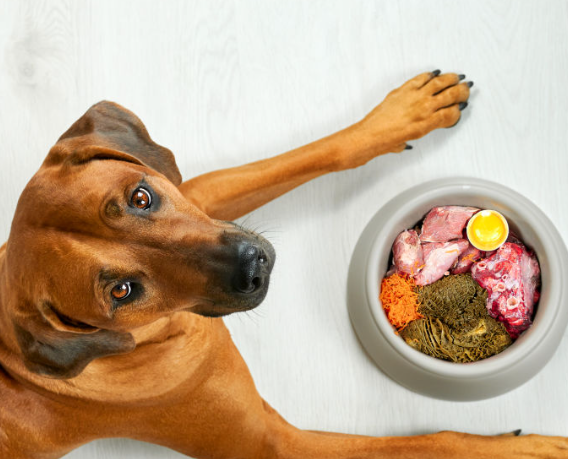
9. Feeding an Unbalanced Homemade Diet
Homemade pet food may sound healthy because owners know exactly what ingredients are being used. However, simply combining meat, vegetables, rice, or other foods does not necessarily create a complete diet.
Cats and dogs have specific nutritional requirements. A homemade diet that lacks important vitamins, minerals, amino acids, or other nutrients can cause problems over time.
This is particularly important for cats because they have certain nutritional requirements that differ from dogs.
Anyone considering long term homemade pet food should discuss the plan with a veterinarian or a qualified veterinary nutrition professional. A properly formulated recipe is very different from simply sharing leftovers with a pet.
10. Assuming Cats and Dogs Can Eat the Same Diet
Cats and dogs are different species with different nutritional requirements. This means their diets should not be treated as interchangeable.
Cats have specific requirements for nutrients such as taurine and certain vitamins and fatty acids. Dogs also have their own nutritional needs.
Feeding dog food to a cat for an extended period can result in nutritional deficiencies. Similarly, dog and cat foods are formulated differently for their respective species.
If a household has both cats and dogs, each animal should receive food designed for its species.
11. Ignoring Body Condition
Many owners look at their pet every day and may not notice gradual weight gain. Because changes happen slowly, an overweight pet can eventually look normal to the owner.
Regularly checking body condition can help identify changes earlier. You should be able to feel your pet’s ribs without pressing extremely hard, while the exact ideal body shape varies between animals.
If you are unsure whether your pet is underweight, overweight, or at an appropriate weight, ask a veterinarian to assess body condition.
Weight management should focus on long term health rather than appearance alone.
12. Giving Food Whenever the Pet Begs
Begging is a common behavior. Pets quickly learn that certain sounds, facial expressions, or behaviors can result in food.
Giving food every time a pet begs can lead to excessive calorie intake. It can also make begging behavior stronger because the animal learns that the behavior works.
Instead of automatically giving food, owners can use play, attention, affection, or training as alternatives.
A consistent feeding schedule can also make it easier to control unnecessary eating.
13. Not Considering Activity Level
A pet’s energy needs are influenced by how active it is. A working dog that exercises for several hours may need considerably more energy than a companion dog that spends most of the day indoors.
The same principle applies to cats. An active young cat may burn more energy than an older indoor cat.
Food portions should therefore be reviewed when activity levels change.
If your pet becomes less active because of age, weather, injury, or lifestyle changes, continuing the same feeding routine may contribute to weight gain.
14. Overlooking Food Allergies and Sensitivities
Some pets may have food allergies or intolerances. Symptoms can include digestive problems, skin irritation, itching, ear problems, or other signs.
However, these symptoms can have many possible causes. Owners should not automatically assume that a particular ingredient is responsible.
Randomly changing foods again and again can make the situation more difficult to understand.
If you suspect a food related problem, speak with a veterinarian. They can help determine whether dietary changes are appropriate and guide you through a suitable feeding plan.
15. Storing Pet Food Incorrectly
Proper storage is another part of pet nutrition that is often overlooked.
Dry pet food should generally be kept in a cool, dry place and protected from moisture. The original packaging can help preserve important information such as the product name, batch details, and expiration information.
Wet food should be handled according to the instructions on the package. Once opened, it may require refrigeration and should not be left sitting out for extended periods.
Food bowls should also be washed regularly. Clean feeding equipment helps maintain good hygiene.
16. Ignoring Expiration Dates
Expired or improperly stored food may not provide the expected nutritional quality and could become unsafe depending on how it has been stored.
Pet owners should check expiration or best before dates before purchasing and serving food.
Avoid buying large quantities simply because they appear cheaper if your pet cannot finish them before their quality declines.
Keeping food fresh is an important part of responsible pet care.
17. Choosing Food Based Only on Marketing Claims
Pet food packaging often contains attractive words and phrases designed to catch attention. Terms such as natural, premium, holistic, or grain free can sound appealing, but they should not be the only factors used when selecting food.
Owners should look beyond the front of the package and read the nutritional information and feeding instructions.
The most important question is whether the food is appropriate for the pet and provides the nutrients needed for its life stage and condition.
Understanding labels can help owners make decisions based on information rather than advertising language.
18. Following Internet Advice Without Checking the Source
The internet contains a huge amount of pet nutrition information. Some information is useful, while other advice may be incomplete or unsuitable for a particular animal.
A diet that worked for one person’s pet may not be appropriate for another pet.
Before making major changes to your pet’s diet, consider the source of the information. Veterinary professionals and established animal health organizations are generally better sources for important nutritional guidance than random social media posts.
This is especially important when dealing with puppies, kittens, senior pets, pregnant animals, or pets with health problems.
19. Adding Supplements Without a Reason
Pet supplements are widely available, and some animals may benefit from specific supplements when recommended by a veterinarian. However, adding several supplements without a clear reason is not necessarily helpful.
Too much of certain nutrients can also create problems. A complete and balanced commercial diet may already provide the nutrients a healthy pet needs.
Before adding vitamins, minerals, oils, or other supplements, discuss the decision with a veterinarian.
20. Ignoring Changes in Appetite
A pet’s appetite can provide useful information about its health. A sudden increase or decrease in eating should not always be dismissed as simple behavior.
Changes in appetite can occur for many reasons, including changes in routine, stress, dental problems, digestive issues, or other health conditions.
If an unusual change in eating continues or is accompanied by other symptoms, veterinary advice is important.
Paying attention to normal eating habits can help owners notice potential problems earlier.
How to Build Better Feeding Habits
Avoiding pet nutrition mistakes becomes easier when feeding is treated as a regular part of responsible pet care.
Start by choosing food appropriate for your pet’s species and life stage. Measure portions rather than guessing. Keep treats under control and provide fresh water every day.
Monitor your pet’s weight and body condition regularly. If your pet’s activity level changes, review the feeding amount.
When introducing a new food, make the transition gradually. Keep food stored correctly and check expiration dates.
Most importantly, do not be afraid to ask a veterinarian for advice when your pet’s nutritional needs are unclear.
A Simple Pet Nutrition Checklist
A basic checklist can make everyday feeding easier.
Choose food suitable for your pet’s species.
Select food appropriate for the animal’s life stage.
Measure daily portions carefully.
Limit treats and table scraps.
Provide clean and fresh drinking water.
Avoid foods that are known to be harmful to pets.
Introduce new foods gradually.
Store pet food properly.
Check expiration dates.
Monitor weight and body condition.
Pay attention to changes in appetite.
Discuss special diets and supplements with a veterinarian.
These simple habits can make a meaningful difference in your pet’s daily nutrition.
Final Thoughts
Common nutrition mistakes are often caused by good intentions. Owners want their pets to be happy, so they may offer extra treats, share food from their plates, or fill an empty bowl without thinking about portion size.
The key to better pet nutrition is balance and consistency. Pets need food that matches their species, life stage, activity level, and individual needs. They also need appropriate portions, clean water, safe treats, and proper food storage.
Avoiding overfeeding, limiting unnecessary treats, choosing suitable food, and monitoring changes in weight and appetite can help support long term health.
Every pet is different, so there is no single feeding routine that works perfectly for every animal. When you are uncertain about your pet’s nutritional requirements, professional veterinary guidance can help you create a feeding plan that is safe and appropriate.
Good pet nutrition is not about making every meal complicated. It is about making sensible choices every day and paying attention to what your pet needs. With consistent feeding habits and careful observation, pet owners can provide better nutrition and support a healthier, more active life for their companions.