Many pet owners enjoy sharing food with their cats and dogs. It can feel like a simple way to show affection, especially when a pet sits nearby and watches every bite. However, not every food that is safe for people is safe for pets. Some human foods can provide useful nutrients in small amounts, while others can cause digestive problems or serious poisoning.
Understanding which human foods are safe for pets and which foods should be avoided can help protect their health. It is also important to remember that cats and dogs have different nutritional needs. A food that is acceptable for one animal may not be appropriate for another.
Human food should never replace a complete and balanced pet diet. Treats and occasional foods should make up only a small part of a pet’s daily intake. If you are unsure whether a particular food is safe, it is better to avoid giving it until you have checked with a veterinarian.
Can Pets Eat Human Food?
Some human foods can be offered to pets as occasional treats. Plain cooked meat, certain vegetables, and some fruits can be suitable for many healthy dogs and cats when prepared correctly.
The main concern is preparation. Human meals often contain salt, spices, sauces, butter, oil, sugar, onions, garlic, or other ingredients that may not be suitable for pets.
For example, plain cooked chicken can be very different from fried chicken covered in spices and sauce. The first may be suitable as an occasional treat for some pets, while the second may cause digestive problems and contain ingredients that are unsafe.
Portion size also matters. Even a food that is considered safe can contribute to weight gain if it is offered too frequently.
Safe Human Foods for Dogs
Dogs are generally able to enjoy a variety of plain human foods as occasional treats. These foods should be fresh, properly prepared, and given in suitable portions.
Plain Cooked Chicken
Plain cooked chicken can be a useful occasional treat for dogs. It provides protein and is often easy for dogs to enjoy.
Remove bones, skin, excess fat, seasoning, and sauces. Chicken should be thoroughly cooked and served plain.
Avoid giving dogs chicken cooked with onion, garlic, heavy spices, or rich sauces.
Plain Cooked Turkey
Plain cooked turkey can also be offered in small quantities. Choose lean meat and remove bones and heavily seasoned skin.
Turkey from a family meal may contain salt, butter, spices, onion, or garlic, so it is better to prepare a separate plain portion for the dog.
Carrots
Carrots can be a convenient vegetable treat for many dogs. They can be served raw in appropriately sized pieces or cooked until soft.
For smaller dogs, cut carrots into manageable pieces to reduce the risk of choking. Carrots should still be treated as a snack rather than a replacement for balanced dog food.
Green Beans
Plain green beans can provide a low calorie snack for many dogs. They should not contain added salt, butter, sauces, or seasonings.
Fresh or properly cooked green beans are generally preferable to heavily processed versions.
Pumpkin
Plain cooked pumpkin can be given to dogs in small amounts. It contains fiber and is commonly included in some pet feeding routines.
Use plain pumpkin without added sugar, spices, cream, or sweeteners. Pumpkin pie filling is not the same as plain pumpkin and should not be treated as a regular pet food.
Apples
Small amounts of apple can be an occasional treat for many dogs. Remove the seeds and core before serving.
Cut the apple into small pieces that are appropriate for the dog’s size. Too much fruit can add unnecessary sugar to the diet and may cause digestive upset.
Blueberries
Blueberries can be offered in small portions to many dogs. They are naturally sweet and can be used as an occasional treat.
Wash them before serving and monitor your dog when introducing any new food.
Bananas
Small pieces of banana can be given occasionally. Bananas contain natural sugar, so portions should remain modest.
They are better used as an occasional treat rather than a daily food.
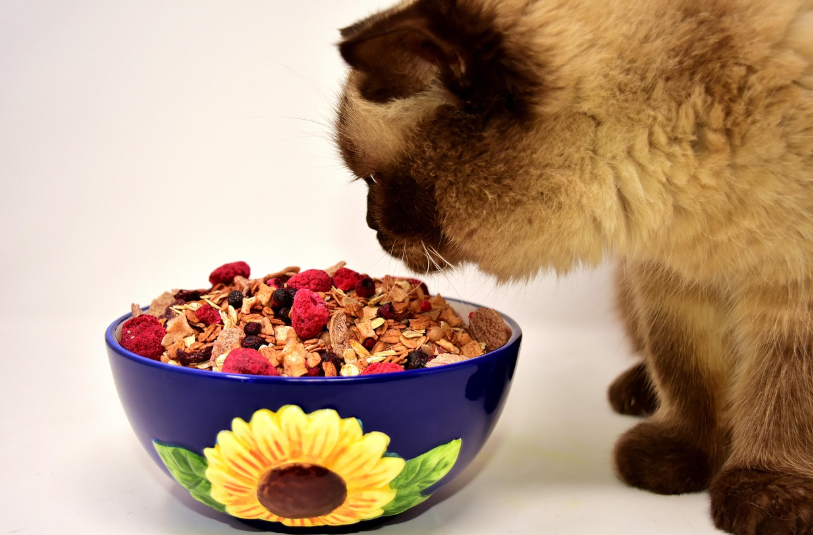
Safe Human Foods for Cats
Cats have different nutritional requirements from dogs. They are obligate carnivores, which means animal based nutrients are especially important in their diet.
A small amount of certain plain foods may be acceptable, but human foods should not replace a complete cat food.
Plain Cooked Chicken
Plain cooked chicken can be an appropriate occasional treat for many cats. It should be fully cooked and free from seasoning, sauces, bones, and excessive fat.
Cats often enjoy the smell and texture of cooked meat, but their regular diet should still provide all the nutrients they require.
Plain Cooked Turkey
Plain turkey meat can also be offered in small quantities. Avoid seasoned turkey, processed deli meat, turkey skin, and bones.
Processed meats can contain high levels of salt and other ingredients that are not appropriate for regular feeding.
Plain Cooked Beef
Small amounts of lean, fully cooked beef can be offered to some cats as an occasional treat.
Do not serve beef covered in sauces, spices, onion, garlic, or excessive fat. Raw or undercooked meat also carries food safety concerns.
Plain Cooked Fish
Some cats enjoy fish, and a small amount of plain cooked fish can be used as an occasional treat.
Remove all bones and avoid fish prepared with oil, salt, spices, butter, or sauces. Fish should not become the only protein source in a cat’s diet unless a veterinarian has specifically recommended a suitable feeding plan.
Human Foods That Both Dogs and Cats Should Avoid
Some foods are dangerous to pets and should not be offered casually. Keeping these foods away from pets is an important part of responsible pet care.
Chocolate
Chocolate is one of the most well known foods that pets should not eat. It contains compounds called theobromine and caffeine, which can be harmful to dogs and cats.
The risk depends on the type and amount of chocolate and the size of the animal. Dark chocolate and cocoa products can contain higher concentrations of these compounds.
If a pet eats chocolate, contact a veterinarian promptly rather than waiting for symptoms to appear.
Onions and Garlic
Onions, garlic, leeks, and related plants can be harmful to dogs and cats. They may damage red blood cells and can contribute to anemia.
These ingredients can appear in many foods, including sauces, soups, gravies, meat dishes, and seasoning mixes.
For this reason, it is not enough to avoid giving pets raw onions or garlic. Owners should also check cooked foods and packaged products before sharing them.
Grapes and Raisins
Grapes and raisins should be kept away from dogs. They have been associated with kidney injury, and the amount that causes problems can vary.
Because it is difficult to predict which dog will become seriously affected, grapes and raisins should not be considered safe treats.
They can also appear in foods such as baked goods, cereals, and snack mixtures.
Xylitol
Xylitol is a sweetener found in some sugar free products. It can cause dangerous problems in dogs, including a rapid drop in blood sugar and potentially serious complications.
Xylitol may be found in chewing gum, certain candies, baked products, toothpaste, and other items.
Keep products containing xylitol away from pets and check ingredient labels carefully.
Alcohol
Alcohol should never be given to pets. Even relatively small amounts can cause serious problems because animals are much smaller than humans and process substances differently.
Keep alcoholic drinks, cooking alcohol, and foods containing significant amounts of alcohol away from pets.
Caffeine
Coffee, tea, energy drinks, certain soft drinks, caffeine tablets, and other caffeinated products should not be given to pets.
Caffeine can affect the nervous system and heart. Pets should never be offered coffee or energy drinks as beverages.
Macadamia Nuts
Macadamia nuts can cause illness in dogs. Signs may include weakness, vomiting, tremors, and difficulty walking.
Avoid giving dogs macadamia nuts or foods that contain them.
Raw Yeast Dough
Raw yeast dough can be dangerous because it can expand inside the stomach. Fermentation can also produce alcohol.
Keep rising bread dough away from pets, particularly when preparing homemade bread.
Excessively Salty Foods
Pets do need sodium as part of a balanced diet, but heavily salted human foods are not appropriate treats.
Processed meats, salty snacks, instant foods, and heavily seasoned dishes can contain much more salt than a pet needs.
Fatty and Fried Foods
Fried foods and foods containing large amounts of fat can cause digestive upset and may contribute to serious health problems in some pets.
Foods such as fried chicken skin, fatty meat, greasy leftovers, and heavily buttered dishes should not become part of a pet’s regular diet.
Foods That Require Extra Care
Some foods are not necessarily poisonous but still require careful preparation.
Eggs
Fully cooked plain eggs can be suitable as an occasional treat for many dogs and cats. Avoid adding salt, butter, spices, onion, garlic, or sauces.
Raw eggs present food safety concerns and should not be routinely fed without professional guidance.
Dairy Products
Some pets can tolerate small amounts of certain dairy products, while others develop gas, diarrhea, or stomach discomfort because they do not digest lactose well.
Milk should not be treated as a necessary drink for dogs or cats. Fresh water is the appropriate everyday beverage.
Peanut Butter
Some dogs enjoy peanut butter, but owners should read the ingredient label carefully. Products containing xylitol must never be given to dogs.
Choose a simple product without dangerous sweeteners or excessive additives, and give only a small amount.
Rice
Plain cooked rice can be tolerated by many dogs and cats in small quantities. It should be served without spices, sauces, onion, garlic, or excessive salt.
Rice should not replace a complete pet diet.
Why Portion Size Matters
Even safe human foods can become unhealthy when given in large amounts.
Dogs and cats are generally much smaller than adult humans. A small snack for a person can represent a significant amount of calories for a pet.
Frequent treats can contribute to weight gain. Excess weight may increase the risk of several health problems and can make movement more difficult.
A practical approach is to keep human food treats small and occasional. Most of a pet’s daily nutrition should come from a complete and balanced food appropriate for its species, age, size, and health needs.
How to Prepare Human Food Safely for Pets
Preparation makes a major difference.
When preparing food for a pet, keep it simple. Choose plain ingredients and avoid unnecessary seasoning.
Remove bones, seeds, pits, stems, cores, excess fat, and other parts that may create a problem. Cook meat thoroughly and allow it to cool before serving.
Do not assume that a food is safe simply because the main ingredient is safe. A small piece of plain chicken is different from chicken cooked in a sauce containing onion and garlic.
It is also helpful to prepare a pet’s portion before adding seasonings to the family meal.
Avoid Feeding Pets From the Dinner Table
Feeding pets directly from the table can create several problems. Pets may learn to beg whenever people eat, and owners may lose track of how many treats the animal has received.
A better approach is to give approved treats at a separate time and in measured portions.
If children live in the home, teach them which foods pets can and cannot eat. Young children may offer food without understanding that certain ingredients can be dangerous.
What to Do If Your Pet Eats a Dangerous Food
If a pet eats a food that may be toxic, do not assume that everything will be fine simply because the animal looks normal.
Contact a veterinarian or an appropriate animal poison service as soon as possible. Have useful information available, including the type of food, approximate amount eaten, time of ingestion, and the pet’s size and species.
Do not make your pet vomit unless a veterinary professional specifically tells you to do so. Some substances can cause additional injury if brought back up.
If the packaging is available, keep it nearby so the veterinarian can check the ingredients.
Watch for Unusual Symptoms
After a pet eats something inappropriate, watch for changes such as vomiting, diarrhea, weakness, excessive drooling, shaking, unusual behavior, difficulty walking, breathing problems, or loss of consciousness.
Serious symptoms require immediate veterinary attention.
However, waiting for symptoms is not always a good idea when a known toxic food has been consumed. Some problems can develop before obvious signs appear.
A Simple Safe Food Checklist
Before giving your pet a human food, ask a few simple questions.
Is this food known to be safe for my pet’s species?
Does it contain onion, garlic, chocolate, caffeine, alcohol, xylitol, grapes, raisins, or another potentially dangerous ingredient?
Has it been prepared without excessive salt, fat, spices, or sauces?
Have bones, seeds, pits, cores, and other unsafe parts been removed?
Is the portion small enough for my pet?
Has my pet eaten this food before without a problem?
If you cannot answer these questions confidently, do not give the food until you have checked with a veterinarian.
Final Thoughts
Human food can sometimes be used as an occasional treat for pets, but careful selection is important. Plain cooked chicken, turkey, certain vegetables, and small amounts of suitable fruits may be acceptable for many dogs. Cats can also enjoy small amounts of plain cooked meat and some other carefully selected foods.
At the same time, chocolate, onions, garlic, grapes, raisins, xylitol, alcohol, caffeine, macadamia nuts, and raw yeast dough should be kept away from pets. Fatty, salty, heavily seasoned, and highly processed foods are also poor choices.
The safest feeding routine is based on a complete and balanced pet diet, clean drinking water, controlled portions, and occasional treats that are appropriate for the animal. Every pet is different, so age, size, activity level, allergies, and existing health conditions should also be considered.
When there is any doubt about a particular food, asking a veterinarian is the safest option. A little caution before sharing food can prevent many avoidable problems and help pets remain healthy and comfortable for years to come.