Kittens grow quickly during their first year of life. Their bodies, muscles, bones, teeth, and immune systems are developing almost every day. Because of this rapid growth, kittens need food that provides more than just enough calories to satisfy hunger. They need a balanced diet with the right amounts of protein, fat, vitamins, minerals, and other essential nutrients.
Choosing the right kitten food can sometimes feel confusing because pet stores offer many different products. Some foods are made specifically for kittens, while others are labeled for adult cats or all life stages. Understanding what a growing kitten needs can make the decision much easier.
A good kitten diet should support healthy growth without providing unnecessary ingredients or excessive calories. It should also match the kitten’s age, size, activity level, and individual needs. This guide explains how to choose food for kittens based on their growth needs and what responsible pet owners should look for when selecting a daily diet.
Why Kittens Need Special Food
Kittens are not simply small adult cats. Their nutritional needs are different because their bodies are developing rapidly. During the early months of life, kittens need enough energy to support movement, tissue development, and normal growth.
A kitten usually needs more calories per kilogram of body weight than an adult cat. Protein is also especially important because it provides amino acids needed for developing muscles and body tissues.
Their bones and teeth are developing as well. This makes minerals such as calcium and phosphorus important parts of a balanced kitten diet. Other nutrients support vision, brain development, healthy skin, a strong immune system, and normal organ function.
Adult cat food may not provide the nutrient balance a growing kitten requires. For this reason, a food specifically formulated for kittens is usually the appropriate choice during the growth period.
Understanding Kitten Growth Stages
A kitten’s nutritional needs change as it grows. Understanding these stages can help you make better feeding decisions.
Newborn Kittens
Newborn kittens depend mainly on their mother for nutrition. Mother’s milk provides energy, protein, fluids, and other important nutrients.
If a newborn kitten cannot nurse from its mother, a veterinarian should be consulted about an appropriate commercial kitten milk replacer. Regular cow’s milk is not an appropriate replacement for a kitten’s nutritional needs.
Newborn kittens require frequent feeding because their stomachs are very small. Their feeding schedule is also different from that of older kittens.
Weaning Period
Around the early weeks of life, kittens gradually begin moving from milk toward solid food. This process is called weaning.
During this stage, soft kitten food can be introduced gradually. Wet kitten food can be easier for young kittens to eat because it has a soft texture and contains significant moisture.
Some kittens may take time to become comfortable with solid food. Patience is important. Food should be introduced gradually rather than making a sudden change.
Growing Kittens
After weaning, kittens need a complete diet designed for growth. This is one of the most important periods for kitten nutrition.
Growing kittens generally need nutrient dense food with sufficient protein, energy, vitamins, and minerals. They also need regular meals because their small stomachs cannot always handle large portions at once.
Later Kitten Stage
As kittens become older, their growth gradually slows. They may become more active and begin developing the body structure of an adult cat.
They should still receive food designed for growth until they are ready to transition to an appropriate adult diet. The exact timing can vary depending on the cat and the food, so veterinary guidance can be helpful.
Look for Food Made for Kitten Growth
One of the easiest ways to begin choosing kitten food is to check the product label.
Look for food that is specifically formulated for kittens or for growth. A complete and balanced kitten diet should provide the nutrients needed for normal development.
The packaging may also explain the life stage for which the food is intended. Reading this information is important because not every cat food is suitable for growing kittens.
A food labeled only for adult maintenance may not be the best option for a young kitten.
If a product is labeled for all life stages, it may be formulated to meet the nutritional needs of growth as well as adult maintenance. However, it is still important to read the feeding instructions and select an appropriate portion.
Protein Is Important for Growing Kittens
Protein is one of the most important nutrients in kitten food.
Growing kittens use protein to build muscles and support normal development. Protein contains amino acids, which are essential components of many tissues and biological processes.
Animal based protein sources can be particularly important in a cat’s diet because cats have specific nutritional requirements related to their biology.
When comparing kitten foods, check the ingredient list and nutritional information. Common animal protein sources may include chicken, turkey, beef, fish, or other meats.
The goal is not simply to choose a food with a long list of ingredients. Instead, look for a complete diet that provides appropriate nutrition for growth.
Healthy Fats Provide Energy
Growing kittens are active and have high energy requirements. Dietary fat is a concentrated source of energy and also helps provide essential fatty acids.
Healthy fats can support normal skin and coat condition while providing energy for daily activity and development.
Some kitten foods contain fish oils or other sources of fatty acids. Certain fatty acids are important for normal development, including the development of the brain and eyes.
This does not mean that adding extra oil to a kitten’s food is necessary. A properly formulated kitten food should already provide the appropriate balance of nutrients.
Carbohydrates in Kitten Food
Cats have nutritional characteristics that differ from humans. Protein and fat are especially important parts of a cat’s diet.
Some commercial cat foods contain carbohydrates because they can contribute energy and help with the preparation and structure of the food. Their presence does not automatically mean that the food is unsuitable.
Instead of judging a kitten food based on one ingredient alone, consider the complete nutritional profile.
The most important question is whether the food provides complete and balanced nutrition for growth.
Vitamins and Minerals for Healthy Development
Vitamins and minerals play important roles in a growing kitten’s body.
Calcium and phosphorus are particularly important because they contribute to normal bone and teeth development. However, balance is just as important as quantity.
Giving a kitten additional vitamin or mineral supplements without veterinary advice can create nutritional problems. More is not always better.
A commercial kitten food that is properly formulated for growth should already contain the appropriate levels of essential vitamins and minerals.
The Importance of Taurine
Taurine is an essential nutrient for cats. It plays important roles in normal vision, heart function, reproduction, and other body processes.
Cats have specific dietary requirements for taurine, which is why a complete commercial cat food should contain an appropriate amount.
When choosing kitten food, selecting a product designed specifically for cats helps ensure that important nutrients such as taurine are included in the diet.
Wet Food or Dry Food for Kittens
Both wet and dry kitten food can have a place in a kitten’s diet.
Wet food has a high moisture content and may be easier for young kittens to eat. The additional water can also contribute to overall fluid intake.
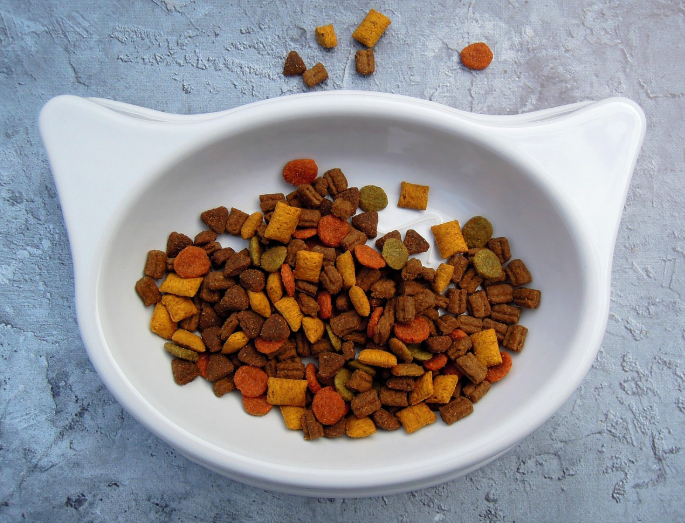
Dry kitten food is convenient, easy to measure, and can be stored easily after opening. Some kittens enjoy its texture and accept it readily.
There is no universal rule that every kitten must eat only wet food or only dry food. Some owners choose one type, while others offer a combination.
The most important factor is that the overall diet is complete and balanced for growth.
How Much Food Does a Kitten Need?
The correct amount of food depends on several factors, including age, body size, activity level, health, and the calorie content of the food.
Feeding instructions on the package can provide a useful starting point. However, these recommendations are general guidelines rather than exact requirements for every kitten.
Kittens often need several small meals throughout the day. Their stomachs are small, but their energy needs are relatively high.
As a kitten grows, the amount and frequency of food may need to change.
Regularly observing body condition and growth can help determine whether feeding amounts need adjustment. A veterinarian can provide more specific guidance if there are concerns about growth or weight.
Avoid Overfeeding Growing Kittens
Because kittens need plenty of energy, some owners assume that they should be allowed to eat unlimited amounts of food.
However, overfeeding can lead to excessive weight gain. Healthy growth is not the same as rapid weight gain.
A kitten should receive enough food to support normal development while maintaining an appropriate body condition.
Treats should also be given carefully. Treats can add calories without providing the complete nutrition found in a balanced kitten diet.
If treats are used, they should remain a small part of the overall diet.
Choosing Food Based on Activity Level
Kittens are usually energetic and curious. They spend much of their day exploring, playing, climbing, and learning about their environment.
An active kitten may use considerable energy during the day. However, activity levels can vary between individual kittens.
Indoor kittens may have different energy needs from kittens that are highly active. Age, body size, breed, and health also influence nutritional requirements.
Rather than changing food simply because a kitten seems energetic, monitor its body condition and growth. If you are unsure whether the kitten is receiving enough or too much food, ask a veterinarian for guidance.
Consider Your Kitten’s Individual Needs
Not every kitten has exactly the same nutritional needs.
Some kittens may have sensitive digestion, food allergies, medical conditions, or special dietary requirements. Kittens recovering from illness may also need additional nutritional support.
A healthy kitten can usually eat a standard complete kitten diet, while a kitten with a specific medical issue may require a veterinarian recommended diet.
Do not assume that a food marketed for a particular problem is appropriate for every kitten. Dietary changes should be based on the kitten’s actual needs.
Reading the Ingredient List
The ingredient list can provide useful information, but it should not be the only factor used to judge a food.
Ingredients are generally listed by weight before processing. This means that fresh ingredients containing a lot of water may appear higher on the list than ingredients with less moisture.
Instead of focusing on one ingredient, look at the overall product.
Ask yourself several questions. Is the food designed for kittens? Does it provide complete and balanced nutrition? Does the kitten eat it comfortably? Does it support healthy growth and body condition?
These questions provide more useful information than simply choosing food because one ingredient appears first.
Be Careful With Homemade Kitten Food
Some pet owners consider preparing homemade food for their kittens because they want complete control over the ingredients.
However, creating a nutritionally complete kitten diet at home can be difficult. Small imbalances in protein, minerals, vitamins, or other nutrients can affect a growing kitten.
A recipe that is suitable for an adult cat may not provide everything a growing kitten needs.
If you want to feed homemade food, it is best to discuss the plan with a veterinarian or a qualified veterinary nutrition professional. Professional guidance can help prevent nutritional deficiencies and imbalances.
Introduce New Food Gradually
Changing a kitten’s food suddenly can sometimes cause digestive upset.
If you need to change foods, a gradual transition is usually easier for the digestive system. You can begin by mixing a small amount of the new food with the current food and slowly increase the new food over several days.
The exact transition period can vary depending on the kitten.
If the kitten develops persistent vomiting, diarrhea, refuses food, or shows other concerning symptoms, veterinary advice should be sought.
Fresh Water Should Always Be Available
Food is only one part of good kitten nutrition. Fresh water is also essential.
Kittens should have access to clean drinking water throughout the day. Water bowls should be cleaned regularly and placed somewhere that is easy for the kitten to reach.
Wet food contains a significant amount of moisture, but kittens should still have access to drinking water.
Some cats prefer moving water, while others are comfortable drinking from a traditional bowl. The important point is to make clean water available at all times.
Common Mistakes When Choosing Kitten Food
One common mistake is choosing adult cat food for a young kitten. Adult food is designed for different nutritional needs and may not provide the same growth focused nutrient profile.
Another mistake is changing foods too frequently. Kittens can benefit from consistency while their digestive systems are developing.
Giving too many treats is another issue. Treats should not replace balanced meals.
Some owners also add supplements without professional advice. A complete kitten food should already contain essential nutrients, and unnecessary supplementation can sometimes cause problems.
Finally, choosing food based only on price or packaging can be misleading. A more useful approach is to consider the nutritional purpose, feeding instructions, ingredient quality, and the kitten’s individual response.
Signs That Your Kitten Is Growing Well
Healthy growth involves more than watching the number on a scale.
A well nourished kitten should generally have good energy, a healthy appetite, normal development, and a body condition appropriate for its age and size.
The coat and skin can also provide useful clues about overall health, although many factors can influence their appearance.
Regular veterinary checkups are valuable because a professional can monitor weight, development, teeth, vaccination needs, and general health.
If a kitten is consistently losing weight, refusing food, experiencing digestive problems, or failing to grow normally, veterinary attention is important.
When to Change From Kitten Food to Adult Food
Kittens eventually need to transition to adult cat food.
The timing depends on the individual cat and the food being used. Many cats transition around the end of their main growth period, but large breeds can mature differently.
A sudden switch is usually unnecessary. When it is time to change diets, gradually introduce the adult food while reducing the kitten food.
This allows the digestive system time to adjust.
Final Thoughts
Choosing food for kittens based on their growth needs is an important responsibility. A growing kitten requires a diet that provides appropriate energy, protein, fats, vitamins, minerals, and other essential nutrients.
The simplest starting point is to choose a complete and balanced food that is specifically formulated for kitten growth. From there, consider the kitten’s age, activity level, body condition, feeding habits, and individual health needs.
Wet food, dry food, or a combination can work when the overall diet is nutritionally complete. Fresh water should always be available, treats should remain limited, and food changes should be introduced gradually.
Most importantly, remember that every kitten is an individual. Monitoring growth and working with a veterinarian when questions arise can help ensure that your kitten receives the nutrition needed for healthy development.
Good kitten nutrition is not about choosing the most expensive product or following every trend. It is about providing a balanced diet consistently and paying attention to the changing needs of a growing cat. With the right food and proper feeding habits, you can give your kitten a strong nutritional foundation for a healthy adult life.