Choosing the right puppy food is one of the most important decisions a new dog owner can make. Puppies grow quickly during their first months of life, and their bodies need a steady supply of nutrients to support healthy bones, muscles, organs, brain development, and a strong immune system. The food a puppy eats during this stage can become an important part of its overall health and development.
Many pet owners feel confused when they visit a pet store because there are many types of puppy food available. Dry food, wet food, breed specific food, grain free formulas, natural recipes, and foods for different puppy sizes can make the decision difficult. Attractive packaging does not always tell you everything you need to know about the nutritional value of a product.
The best approach is to understand what growing puppies actually need. Once you know how to read a puppy food label and recognize important nutrients, choosing an appropriate diet becomes much easier.
Why Puppy Nutrition Is So Important
Puppies are not simply smaller versions of adult dogs. Their nutritional needs are different because they are building their bodies at a rapid rate. During early development, puppies need enough energy and nutrients to support normal growth without receiving excessive amounts.
A balanced puppy diet provides nutrients that support bones, muscles, teeth, the nervous system, the immune system, and normal body development. Protein helps build and repair tissues, while fats provide concentrated energy and support brain development. Vitamins and minerals also play important roles in many body functions.
Poor nutrition during puppyhood can affect growth and general health. At the same time, feeding too much can also create problems, especially in puppies that are genetically predisposed to rapid growth or skeletal issues.
This is why choosing puppy food should involve more than selecting the product with the most attractive package.
Look for Food Made for Puppies
One of the first things to check is whether the food is specifically designed for growth and development.
Adult dog food is generally formulated to maintain an adult dog’s body rather than support the rapid growth of a puppy. A puppy needs a diet that provides appropriate levels of protein, fat, vitamins, minerals, and calories.
Look for wording on the package that indicates the food is intended for puppies or for growth. Some products are designed for all life stages, while others are specifically made for growing dogs.
If you are unsure whether a particular food is appropriate, ask your veterinarian to help you understand the nutritional statement on the package.
Consider Your Puppy’s Expected Adult Size
Puppy food should also match the size of the dog when possible. Small breed puppies and large breed puppies can have different nutritional requirements.
Small puppies often have fast metabolisms and small stomachs. They may benefit from food that provides enough energy and nutrients in smaller portions.
Large breed puppies need careful nutritional management because excessive calorie intake and inappropriate mineral levels may contribute to overly rapid growth. Large breed puppy foods are formulated with their growth pattern in mind.
If you have a mixed breed puppy and are unsure about its expected adult size, your veterinarian can help estimate its growth needs based on its current age, weight, breed background, and body condition.
Protein Is Important for Growing Puppies
Protein is one of the most important nutrients in puppy food. It provides amino acids that the body uses to build muscles and other tissues.
Growing puppies are developing muscles, organs, skin, and other body structures. A balanced source of high quality protein helps provide the building blocks required for these processes.
Common protein sources in dog food include chicken, turkey, beef, lamb, fish, eggs, and certain plant ingredients.
However, simply looking for the word protein is not enough. The overall nutritional balance of the food matters. A puppy needs a complete diet rather than a food that is high in one nutrient while lacking others.
When comparing puppy foods, consider the complete ingredient list and nutritional information rather than focusing on a single ingredient.
Healthy Fats Support Development
Fat is another important part of puppy nutrition. It provides concentrated energy and helps the body absorb certain fat soluble vitamins.
Some fats also provide fatty acids that are important for normal skin, coat, brain, and eye development.
Omega 3 fatty acids are often discussed in puppy nutrition because they have important biological functions. Fish oils are one possible source, although the exact nutritional value depends on the complete formulation of the food.
Puppies need enough fat to support healthy development, but excessive calories can contribute to unwanted weight gain. Portion control therefore remains important even when the food contains healthy ingredients.
Calcium and Phosphorus Need to Be Balanced
Calcium and phosphorus are essential minerals for growing puppies. They are involved in the development and maintenance of bones and teeth.
However, more is not always better.
Growing puppies need these minerals in appropriate amounts and proportions. This is particularly important for large breed puppies because their skeletons develop significantly during the first year of life.
For this reason, owners should avoid adding calcium supplements to a complete puppy diet unless a veterinarian recommends them. Unnecessary supplementation can disturb the nutritional balance of the diet.
A properly formulated puppy food should already contain the minerals required for normal growth.
Pay Attention to Calories
Puppy food should provide enough calories for growth and daily activity, but overfeeding can cause problems.
It is easy for owners to assume that a puppy should eat as much as it wants because it is growing. However, unrestricted feeding can lead to excessive calorie intake in some puppies.
Healthy growth should be steady rather than unnecessarily rapid.
Follow the feeding instructions provided on the food package as a starting point. These recommendations are usually based on factors such as puppy weight and expected adult size. Individual puppies can have different energy requirements, so portions may need adjustment.
Regularly monitoring body condition is more useful than relying only on a measuring cup.
Learn How to Read a Puppy Food Label
Understanding a puppy food label can make shopping much easier.
Start by checking the intended life stage. Make sure the food is suitable for growth or appropriate for puppies.
Next, examine the ingredient list. Ingredients are generally listed by weight, although the ingredient list alone does not tell you whether the entire food is nutritionally complete.
Look for a nutritional adequacy statement showing that the product is formulated to meet established nutritional standards for the intended life stage. Depending on the market, the wording and regulatory organization may differ.
The guaranteed analysis can also provide information about minimum crude protein and crude fat and maximum crude fiber and moisture. However, these numbers should be interpreted as part of the whole nutritional picture.
If a label is confusing, asking a veterinarian or qualified animal nutrition professional can be helpful.
Wet Food or Dry Food
Both wet and dry puppy food can be useful options when they are properly formulated for growth.
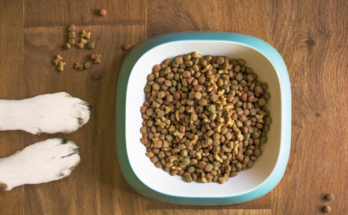
Dry puppy food is convenient, easy to measure, and simple to store. It is also widely available in different formulas.
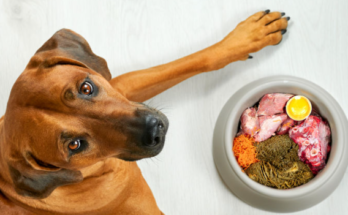
Wet food contains a higher amount of water and can be appealing to puppies that prefer softer textures. Some owners use wet food alone, while others combine it with dry food.
The most important consideration is not whether the food is wet or dry. Instead, check whether the product is complete and balanced for your puppy’s nutritional needs.
If you combine foods, remember that the total amount of calories matters. Adding wet food to a full portion of dry food without adjusting the quantity can result in overfeeding.
Be Careful With Grain Free Puppy Food
Grain free food has become popular among some dog owners, but the absence of grains does not automatically mean that a food is healthier.
Dogs can digest properly prepared grains, and grains can provide carbohydrates, protein, fiber, vitamins, and minerals.
Some puppies may have specific dietary requirements, but food allergies and sensitivities should be diagnosed carefully rather than assumed.
If you are considering a grain free diet for your puppy, discuss the choice with your veterinarian. The important goal is to provide a complete and balanced diet that meets the puppy’s nutritional needs.
Do Puppies Need Supplements?
Most healthy puppies eating a complete and balanced puppy food do not need a large collection of supplements.
Owners sometimes believe that adding vitamins, calcium, oils, or other products will make their puppy grow stronger. In reality, unnecessary supplementation can disturb the carefully balanced nutrients in a commercial diet.
For example, adding extra calcium to a complete puppy food can be harmful, particularly when the puppy is still developing.
Supplements should therefore be used only when there is a clear reason for them and preferably with professional guidance.
Choose Food According to Your Puppy’s Needs
Every puppy is different.
A healthy Labrador puppy may have different nutritional requirements from a Chihuahua puppy. A highly active puppy may require a different calorie intake from a less active puppy.
Age also matters. A very young puppy that has recently been weaned has different needs from a puppy approaching adolescence.
Your puppy’s weight, growth rate, body condition, breed size, activity level, and health history can all influence feeding decisions.
Rather than changing food frequently, choose an appropriate formula and monitor how your puppy responds.
Watch Your Puppy’s Body Condition
Weight alone does not tell you whether a puppy is receiving the right amount of food.
A puppy can gain weight while still having an unhealthy body condition. Owners should regularly look at the puppy’s body shape and feel the ribs gently.
The ribs should generally be easy to feel without being excessively visible. The waist should also be noticeable when viewed from above, depending on the puppy’s breed and body structure.
If you are unsure whether your puppy is too thin or too heavy, ask your veterinarian to evaluate its body condition.
Regular monitoring allows you to adjust feeding before a small problem becomes a bigger one.
Follow a Consistent Feeding Schedule
Young puppies usually benefit from having their daily food divided into several meals rather than receiving one large meal.
The exact feeding schedule depends on the puppy’s age, size, breed, and individual needs.
A consistent routine can make it easier to monitor appetite, digestion, and changes in behavior.
Fresh drinking water should always be available. Water is essential for digestion, circulation, temperature regulation, and many other body functions.
If your puppy suddenly stops eating, develops persistent vomiting or diarrhea, becomes unusually weak, or shows other concerning symptoms, contact a veterinarian rather than simply changing food repeatedly.
Change Puppy Food Slowly
Sometimes a puppy needs to change from one food to another. This may happen because the puppy is moving to a different life stage, the current product is unavailable, or a veterinarian recommends another diet.
Changing food suddenly can cause digestive upset in some puppies.
A gradual transition is usually easier for the digestive system. You can begin by mixing a small amount of the new food with the current food and gradually increase the new food while reducing the old food over several days.
The exact transition period can vary depending on the puppy and the foods involved.
If your puppy experiences significant digestive problems during a food transition, speak with your veterinarian.
Avoid Too Many Treats
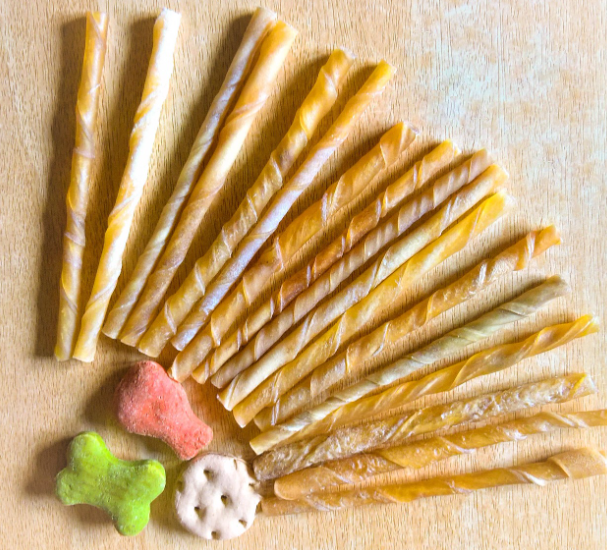
Treats can be useful for training, but they should not replace a balanced puppy diet.
Puppies often learn quickly when positive reinforcement is used consistently. However, giving large numbers of treats can add extra calories.
Small treats are usually enough for training. You can also use a portion of your puppy’s regular food as training rewards.
Treats should be considered part of the puppy’s total daily calorie intake.
Human foods should also be offered carefully. Some foods that are safe for people can be dangerous for dogs, so it is important to know which foods should never be given to a puppy.
Keep Feeding Areas Clean
Food safety is another important part of puppy nutrition.
Keep food and water bowls clean and provide fresh water regularly. Store dry food in a cool, dry place and follow the storage instructions on the package.
For wet food, follow the manufacturer’s storage instructions after opening. Avoid leaving perishable food sitting out for long periods.
Good food handling practices reduce the risk of contamination and help keep your puppy’s meals fresh.
Common Mistakes When Choosing Puppy Food
Several mistakes are common among new puppy owners.
One mistake is choosing food based only on attractive packaging. Marketing language can sound impressive, but it does not replace a complete nutritional assessment.
Another mistake is changing foods too often. If a puppy is doing well on a complete and balanced diet, frequent unnecessary changes may create digestive problems.
Overfeeding is another common issue. Owners may give extra food because they want their puppy to grow quickly. Healthy development does not require excessive feeding.
Adding unnecessary supplements is also a mistake. A complete puppy diet should already provide the nutrients required for normal growth.
Finally, some owners ignore body condition and rely only on feeding charts. Feeding guidelines are useful, but individual puppies may need adjustments.
When Should You Ask a Veterinarian?
A veterinarian can help you make better feeding decisions, especially during the early months of your puppy’s life.
Professional advice is particularly useful if your puppy has a digestive condition, food allergy, unusual growth pattern, poor appetite, persistent diarrhea, repeated vomiting, or another health concern.
Veterinary guidance is also valuable for large breed puppies because controlled growth is especially important for developing bones and joints.
Regular puppy checkups provide an opportunity to discuss weight, growth, feeding amounts, treats, and diet changes.
Final Thoughts on Choosing Puppy Food
Choosing puppy food does not have to be complicated. The main goal is to provide a complete and balanced diet that is appropriate for your puppy’s age, size, growth stage, and individual needs.
Look for food specifically designed for growth, consider your puppy’s expected adult size, and pay attention to important nutrients such as protein, healthy fats, calcium, and phosphorus. Monitor calories and body condition instead of simply encouraging rapid growth.
Avoid unnecessary supplements and sudden food changes. Keep treats under control and provide clean drinking water every day.
Most importantly, remember that good puppy nutrition is about consistency and balance. A suitable diet, regular veterinary care, appropriate exercise, clean water, and responsible feeding habits can give your puppy a strong foundation for a healthy life.
By taking time to understand puppy food labels and your dog’s individual needs, you can make feeding decisions with greater confidence. The food you choose today can become an important part of supporting healthy early development and helping your puppy grow into a strong and active adult dog.