Feeding a pet may seem like a simple daily task, but giving the correct amount of food is an important part of responsible pet care. Many pet owners fill a bowl without measuring the food carefully. Over time, this can lead to overfeeding, unwanted weight gain, or nutritional problems. Giving too little food can also be harmful because a pet may not receive enough calories and nutrients for its daily needs.
Learning how to measure pet food portions correctly can make feeding more consistent and easier to manage. The right portion depends on several factors, including the pet’s age, size, activity level, health condition, and type of food. Food labels can provide useful starting information, but every pet is different.
A good feeding routine is not only about putting food into a bowl. It is about understanding how much food your pet needs and measuring it in a reliable way. This guide explains simple methods for measuring pet food portions and avoiding common feeding mistakes.
Why Correct Pet Food Portions Matter
Correct food portions help pets maintain a healthy body weight. When pets regularly receive more calories than they use, they may gain excess weight. This can make movement more difficult and may increase the risk of several health problems.
On the other hand, feeding too little can result in poor weight gain, low energy, and inadequate nutrition. Growing puppies and kittens have especially different nutritional needs compared with adult pets.
Portion control also helps pet owners understand how much their pets are actually eating. Without measurement, it is easy to add a little extra food at every meal. A small extra amount may not seem important, but repeated over many days it can add up.
Measuring food also makes it easier to notice changes in appetite. If a pet normally eats a measured portion but suddenly leaves most of it behind, that change can be easier to recognize.
Start With the Pet Food Label
The first place to look when deciding how much food to give your pet is the feeding guide on the food package. Most commercial pet foods provide recommendations based on body weight and life stage.
The feeding guide is usually a starting point rather than a perfect amount for every individual animal. Two pets of the same weight may need different amounts because one may be more active than the other.
Read the label carefully and identify the recommended amount for your pet’s current weight. Check whether the recommendation refers to the total amount for an entire day or the amount for each meal.
For example, if a food label recommends a certain daily amount, that amount may need to be divided between breakfast and dinner. Giving the full daily amount at every meal could result in significant overfeeding.
Know Your Pet’s Current Weight
Accurate portion measurement begins with knowing your pet’s current body weight.
If you have a suitable pet scale, weigh your pet regularly. For smaller pets, a household scale can sometimes be used by first weighing yourself and then weighing yourself while holding the pet. Subtract your weight from the combined weight to estimate the pet’s weight.
For larger dogs, a veterinary clinic can provide an accurate weight using a professional scale.
Regular weighing is useful because a portion that was appropriate several months ago may not remain appropriate if the pet gains or loses weight.
Puppies and kittens can change size quickly, so their feeding needs may need to be reviewed more often than those of healthy adult pets.
Use a Measuring Cup Carefully
A standard measuring cup is one of the easiest tools for measuring dry pet food. Use the same measuring cup each time so that portions remain consistent.
Fill the cup according to the amount recommended for the pet. Avoid simply grabbing a handful of food because hand sizes vary and the amount can change from one feeding to another.
When using a measuring cup, level the food rather than allowing a large mound to remain above the cup. A heaped cup can contain noticeably more food than a level cup.
However, measuring cups are not always the most precise option. Different kibble shapes and sizes can make the volume of food vary. This is why a kitchen scale can be a more accurate choice when precise portion control is important.
Consider Using a Kitchen Scale
A digital kitchen scale can be one of the most useful tools for measuring dry pet food.
Instead of measuring food by volume, a scale measures its weight. This can provide greater consistency because different types of kibble have different densities.
Place an empty bowl on the scale and use the tare function to bring the display back to zero. Then add the required amount of food.
The food package may provide information about calories or feeding amounts by weight. If the recommended portion is given in grams, using a scale can make measurement straightforward.
Keep the scale in the same place and use it regularly if your pet needs careful portion control.
Understand Grams and Cups
Many pet owners are familiar with cups but may not understand how cups relate to grams. The two measurements are not always interchangeable.
A cup measures volume, while grams measure weight. A cup of one type of pet food may weigh differently from a cup of another type.
For this reason, do not assume that one cup of every pet food weighs the same. If you change brands or formulas, check the new product’s feeding instructions.
If the manufacturer provides a gram measurement, using a digital scale can help you follow the recommendation more accurately.
Measure Wet Pet Food Properly
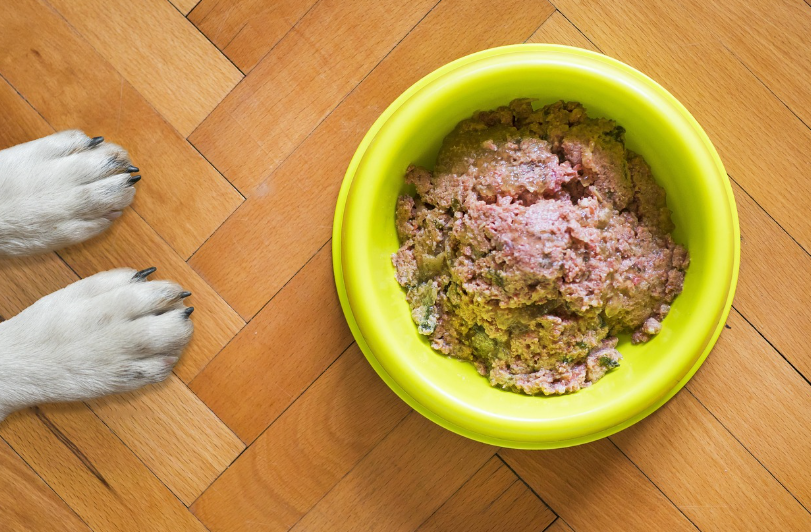
Wet food can be more difficult to measure because it often comes in cans, pouches, or trays.
Start by checking the feeding instructions on the package. The manufacturer may provide a recommended number of cans or a weight amount based on the pet’s size.
If your pet does not need the entire container at one meal, divide the food into measured portions. A kitchen scale can be useful for this purpose.
For example, if a container holds more food than your pet should receive at one time, you can divide the food into separate portions before serving it.
Store unused wet food according to the product instructions and keep it properly refrigerated when required.
Do Not Forget Treats
Treats are an important part of portion control. Many owners carefully measure their pet’s main meals but give several unmeasured treats throughout the day.
Treats contain calories, so they should be considered as part of the pet’s overall daily intake.
If your dog receives treats during training, keep track of how many are given. Small treats can add up when used frequently.
You can also use a small portion of the pet’s regular food as a training reward. This can help prevent unnecessary extra calories while still allowing positive reinforcement.
Avoid giving table scraps without considering how they fit into the pet’s daily food intake.
Adjust Portions According to Activity
A pet’s energy needs are affected by its daily activity.
An active dog that spends a lot of time walking, running, playing, or working may need more energy than a dog that spends most of the day resting indoors.
Cats also have different activity levels. An indoor cat that spends most of its time sleeping may require a different feeding approach from a cat that is highly active.
However, increased activity does not automatically mean that a pet should receive unlimited food. Portion changes should be based on body condition, weight changes, and professional guidance when necessary.
Monitor your pet instead of making large changes based only on assumptions.
Consider Your Pet’s Age
Age is another important factor in portion control.
Puppies and kittens are growing animals and often require food designed specifically for growth. Their feeding schedules and portions may change as they develop.
Adult pets generally have different energy requirements. Senior pets may also have changing nutritional needs depending on their health, activity level, and body condition.
Always check whether the food is intended for puppies, kittens, adults, seniors, or all life stages.
Do not assume that the same portion is suitable throughout a pet’s entire life.
Feed Multiple Meals When Appropriate
Some pets do better when their daily food is divided into several meals.
Instead of giving the entire daily portion at once, divide the measured amount into appropriate meals.
For example, if the daily food allowance is divided into two meals, measure the total daily amount first and then split it evenly unless your veterinarian has recommended a different schedule.
Dividing meals can make portion control easier because you know exactly how much food the pet should receive during the day.
Watch Your Pet’s Body Condition
The number on a food package is only one part of portion management. You should also observe your pet’s body condition.
A healthy body condition varies by animal and breed, so learn what a healthy shape looks and feels like for your particular pet.
You should be able to feel the ribs without excessive pressure, but the ribs should not be extremely prominent. The waist and abdominal shape should also be considered.
If you are unsure whether your pet is too thin or overweight, ask a veterinarian to evaluate its body condition.
Avoid changing food portions dramatically based only on appearance or a single measurement.
Be Careful When Changing Pet Food
Different pet foods can have different calorie densities.
This means that the same volume of two different foods may provide different amounts of energy. If you change food, do not automatically use the same cup measurement as before.
Read the new food label and follow its feeding recommendations. If the food is significantly different in calorie density, the appropriate portion may also be different.
A gradual food transition is often recommended when changing diets to help reduce digestive upset. Follow the product instructions or veterinary advice for the transition.
Keep a Simple Feeding Record
A feeding record can make portion control much easier.
Write down the type of food, amount served, feeding times, and treats given during the day. This does not need to be complicated.
A simple note on your phone or a small notebook can be enough.
Recording meals can be especially useful when more than one person feeds the pet. Without a record, one family member may feed the pet and another person may unknowingly give another meal.
A clear routine helps everyone know whether the pet has already been fed.
Avoid Free Feeding When Portion Control Is a Concern
Free feeding means leaving food available for a pet to eat whenever it wants.
Some animals can naturally control their intake, but others may eat more than they need when food is constantly available.
If your pet is gaining weight or eating too much, measured meals may provide better control.
Scheduled feeding also makes it easier to monitor appetite. If food is always available, it can be difficult to notice how much the pet is actually eating.
Discuss the best feeding schedule with a veterinarian if your pet has a medical condition or unusual eating behavior.
Common Portion Measuring Mistakes
Several simple mistakes can affect pet food portions.
One common mistake is using a different cup every day. Another is filling the cup above the recommended level. Some owners also estimate portions by eye instead of measuring them.
Giving frequent treats without counting them is another common problem.
Changing food without checking the new feeding guide can also result in an inappropriate amount.
A further mistake is continuing to use the same portion even after a pet’s weight, activity level, or health status has changed.
The solution is simple. Measure consistently, monitor your pet, and review feeding needs regularly.
What If Your Pet Seems Hungry?
A pet asking for food does not always mean it needs more food.
Some pets enjoy eating and may beg even after receiving an appropriate meal. Giving additional food every time a pet asks can gradually increase calorie intake.
Try maintaining a consistent feeding schedule. Provide appropriate play, exercise, and attention rather than automatically offering more food.
If your pet suddenly becomes much hungrier than usual, especially if the change continues, speak with a veterinarian. A noticeable change in appetite can sometimes be associated with an underlying health issue.
When to Ask a Veterinarian for Help
Professional advice is particularly important for pets with medical conditions, unusual weight changes, pregnancy, growth concerns, or special dietary requirements.
A veterinarian can assess your pet’s body condition and help determine an appropriate feeding plan.
If your pet is losing weight despite eating normally, gaining weight quickly, refusing food, vomiting repeatedly, or showing other concerning symptoms, professional evaluation is appropriate.
Do not make major dietary changes for a pet with a medical condition without discussing them with a veterinarian.
A Simple Method for Measuring Pet Food Portions
You can follow a simple process every day.
First, check your pet’s current weight.
Second, read the feeding instructions on the food package.
Third, determine the recommended daily amount.
Fourth, measure the food using a suitable measuring cup or digital scale.
Fifth, divide the daily amount into the number of meals you plan to provide.
Sixth, keep treats and other foods in mind when considering the total daily intake.
Finally, monitor your pet’s weight and body condition over time.
This routine can make feeding more consistent and reduce accidental overfeeding.
Final Thoughts
Knowing how to measure pet food portions correctly is an important part of maintaining good pet nutrition. Measuring food does not need to be complicated. A suitable measuring cup or digital kitchen scale, combined with the feeding information on the food package, can make the process much easier.
Remember that feeding recommendations are starting points. Your pet’s age, size, activity level, body condition, and health can all affect its nutritional needs.
Avoid estimating portions by eye, and remember that treats also contribute to daily calorie intake. Keep feeding times consistent and monitor changes in your pet’s weight and appetite.
Most importantly, pay attention to your individual pet. Regular observation and professional veterinary guidance when needed can help you create a feeding routine that supports healthy growth, stable weight, and overall wellbeing.
With careful measurement and a consistent routine, feeding your pet can become a simple and reliable part of everyday care.