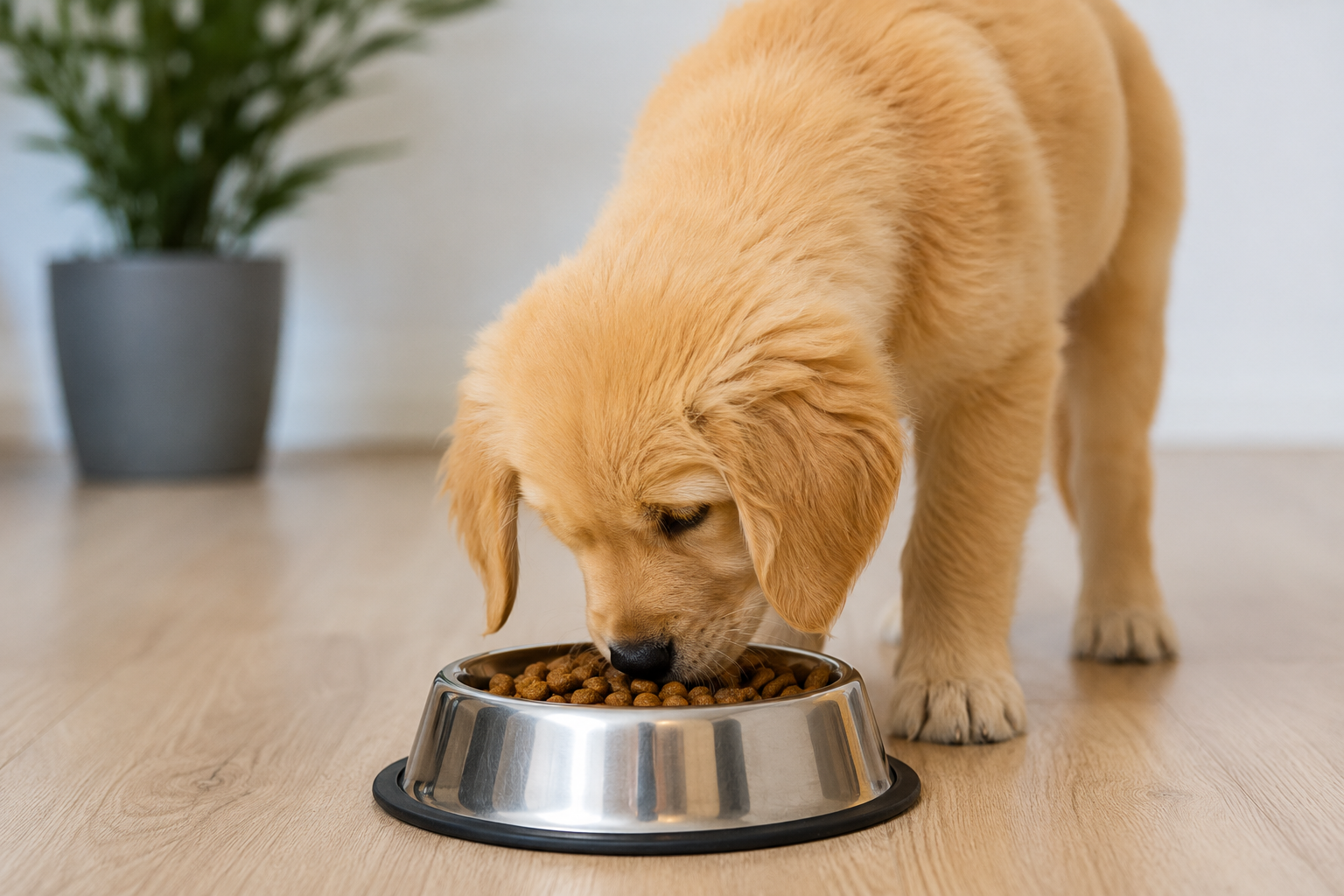
Choosing the best dog food for healthy growth and development is one of the most important decisions every dog owner can make. Dogs need proper nutrition at every stage of life because their food affects their energy, muscles, bones, immune system, skin, coat, and overall health. Puppies need especially nutritious food because their bodies grow quickly during the first months of life.
The best dog food should provide a balanced combination of protein, healthy fats, carbohydrates, vitamins, minerals, and other important nutrients. However, every dog has different nutritional needs depending on age, breed, size, activity level, and overall condition. Understanding these needs can help you choose healthy dog food that supports strong growth and long term wellness.
Why Proper Dog Food Is Important for Growth
Good nutrition gives dogs the energy they need for daily activities and healthy development. Puppies are naturally active and spend a lot of energy playing, exploring, and learning. Their bodies also need extra nutrients to develop strong bones, muscles, teeth, and organs.
The best puppy food contains important nutrients in suitable amounts. Protein helps build and repair muscles, while healthy fats provide energy and support brain development. Calcium and phosphorus are important for healthy bones and teeth. Vitamins and minerals help support the immune system and other body functions.
Feeding a dog poor quality food for a long time can lead to nutritional problems. A balanced diet, on the other hand, can help support healthy growth, maintain a healthy weight, and improve overall quality of life.
Protein Is Essential for Healthy Dogs
Protein is one of the most important nutrients in dog food. It provides amino acids that help the body build muscles and repair tissues. Growing puppies need enough high quality protein because their bodies are developing rapidly.
Good sources of protein can include chicken, turkey, beef, fish, eggs, and other animal ingredients. Some dog foods also contain plant based protein sources. The important thing is to choose a complete and balanced food that provides the nutrients your dog needs.
Active adult dogs may also benefit from a nutritious diet containing sufficient protein. Dogs that exercise regularly need proper nutrition to maintain strong muscles and good energy levels.
Healthy Fats Support Energy and Brain Development
Healthy fats are another important part of the best dog food for healthy growth. Fats provide concentrated energy and help the body absorb certain vitamins. They also support healthy skin and a shiny coat.
Omega 3 fatty acids are especially valuable because they can support brain development, skin health, and normal immune function. Fish ingredients and fish oil are common sources of omega 3 fatty acids in dog food.
Puppies can benefit from healthy fats during their development because their brains and nervous systems are growing quickly. However, the amount of fat should still be appropriate for the dog’s age and activity level.
Carbohydrates Provide Useful Energy
Dogs can use carbohydrates as a source of energy. Healthy carbohydrates may come from ingredients such as rice, oats, barley, potatoes, peas, and other suitable ingredients. They can provide energy that helps dogs stay active throughout the day.
Not every dog needs the same amount of carbohydrates. Highly active dogs may need more energy, while less active dogs may require a diet with fewer calories. The overall balance of nutrients is more important than focusing on one ingredient alone.
Vitamins and Minerals for Strong Development
Vitamins and minerals play an important role in healthy dog growth. Calcium and phosphorus support bones and teeth, while vitamins such as vitamin A, vitamin D, and vitamin E contribute to different functions in the body.
Minerals such as zinc, iron, magnesium, and selenium are also important. A complete dog food should provide these nutrients in appropriate amounts.
It is important not to add vitamin and mineral supplements without professional advice. Too much of certain nutrients can also create health problems. A properly formulated dog food is usually designed to provide the required balance.
Best Puppy Food for Different Breeds
Different breeds can have different nutritional requirements. Small breed puppies often grow quickly and may need food designed for their smaller mouths and higher energy needs. Large breed puppies also grow rapidly, but their food needs careful nutrient balance to support steady bone and joint development.
Large breed puppy food is often formulated with controlled levels of calories and minerals. This helps support healthy development without encouraging excessively rapid growth.
When choosing the best puppy food, look for a product designed specifically for your puppy’s life stage and size. Feeding instructions on the package can provide a useful starting point, but your veterinarian can help determine the right amount for your individual dog.
Dog Food for Healthy Weight Management
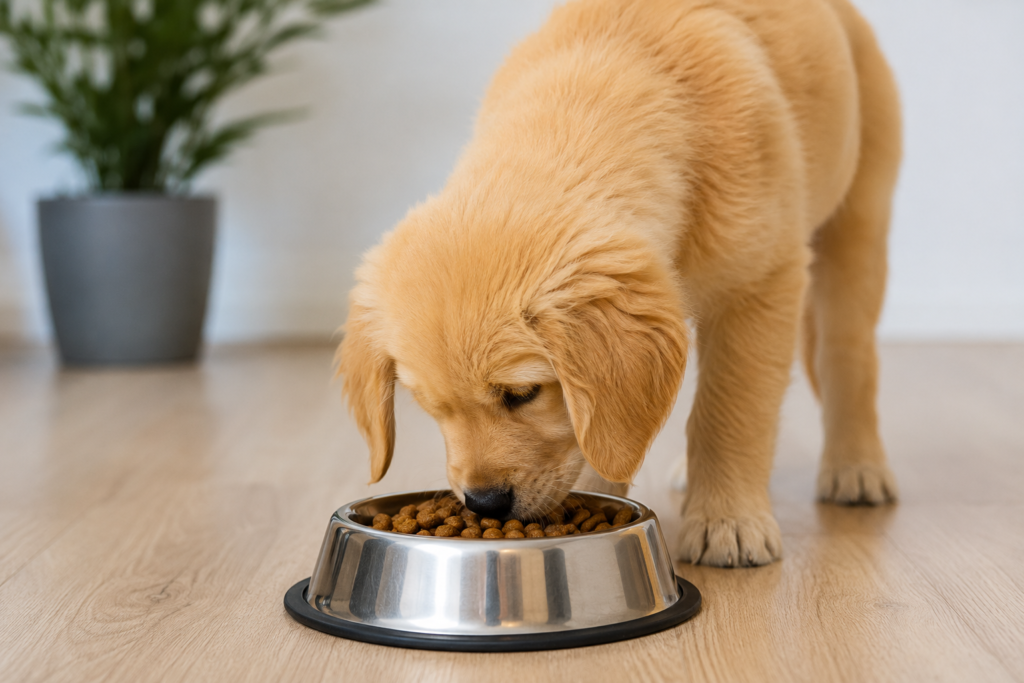
Healthy growth does not mean feeding your dog as much food as possible. Overfeeding can cause excessive weight gain, which may place unnecessary stress on bones and joints.
A healthy dog should maintain an appropriate body condition. You should be able to feel the ribs without seeing them prominently, while the dog should have a visible waist when viewed from above.
Portion control is just as important as food quality. Treats should also be included when considering your dog’s total daily calorie intake. Fresh water should always be available.
Wet Food or Dry Food for Dogs
Both wet dog food and dry dog food can provide important nutrients when they are complete and balanced. Dry food is convenient, easy to store, and can be useful for many dogs. Wet food contains more moisture and may be appealing to dogs that prefer a softer texture.
Some owners choose to combine wet and dry food. This can provide variety while still meeting nutritional needs. However, portions should be adjusted so the dog does not receive too many calories.
The best choice depends on your dog’s preferences, nutritional requirements, budget, and lifestyle.
How to Choose the Best Dog Food
When selecting dog food, start by considering your dog’s age, size, breed, activity level, and individual needs. A puppy needs different nutrition from an adult dog, while a senior dog may require a different dietary approach.
Read the product label carefully and look for food that is designed to provide complete and balanced nutrition. Avoid choosing food only because of attractive packaging or advertising claims.
The ingredient list can provide useful information, but it should not be the only factor you consider. The nutritional balance of the complete product is very important.
If your dog has allergies, digestive problems, unusual weight changes, or other specific needs, speak with a veterinarian before changing the diet.
Changing Your Dog’s Food
A sudden change in food can sometimes cause digestive problems. When introducing a new dog food, gradually mix it with the current food over several days.
Start with a small amount of the new food and slowly increase it while reducing the old food. Monitor your dog for changes in appetite, stool quality, energy, and general behavior.
If your dog develops persistent digestive problems or refuses food, contact a veterinarian for advice.
Conclusion
The best dog food for healthy growth and development should provide balanced nutrition that supports muscles, bones, energy, immunity, skin, coat, and overall wellness. Puppies need especially careful nutrition because their bodies develop quickly during their early life.
A nutritious diet should contain appropriate amounts of quality protein, healthy fats, carbohydrates, vitamins, and minerals. Choosing food according to your dog’s age, size, activity level, and individual needs can help support healthy development.
Remember that every dog is different. What works well for one dog may not be the best choice for another. Paying attention to your dog’s body condition, energy, appetite, and overall health can help you understand whether the current diet is working well.
With proper nutrition, regular exercise, fresh water, routine veterinary care, and responsible feeding, you can give your dog a strong foundation for a healthy and active life. Good dog food is not simply about filling your dog’s stomach. It is about providing the nutrients needed for healthy growth, development, energy, and long term wellbeing.