Choosing the right food for your dog is one of the most important decisions you can make as a pet owner. Good nutrition supports healthy growth, strong muscles, healthy skin, a shiny coat, normal digestion, and everyday energy. However, the large number of dog food options available today can make the choice confusing.
There are dry foods, wet foods, puppy formulas, adult formulas, senior diets, foods for active dogs, limited ingredient recipes, and many other choices. The best food is not always the most expensive one. Instead, it should match your dog’s age, size, activity level, health needs, and individual preferences.
This guide explains how to choose the right food for your dog in a simple and practical way. By understanding dog food labels, nutritional needs, ingredients, feeding amounts, and your dog’s lifestyle, you can make a more informed choice.
Understand Your Dog’s Basic Nutritional Needs
Before choosing a dog food, it is helpful to understand what dogs need from their diet. Dogs require a balanced combination of protein, fats, carbohydrates, vitamins, minerals, and water.
Protein provides amino acids that help maintain muscles and support normal body functions. Good sources can include chicken, beef, turkey, fish, eggs, and other animal ingredients.
Fat is another important source of energy. It also helps support healthy skin and coat while helping the body absorb certain vitamins.
Carbohydrates can provide energy and may come from ingredients such as rice, oats, barley, potatoes, peas, or other plant sources. Dogs can digest properly prepared carbohydrates, although their nutritional needs are different from those of humans.
Vitamins and minerals are needed in smaller amounts but are still essential for normal body functions. A complete and balanced commercial dog food should provide the required nutrients in appropriate amounts.
Water is equally important. Your dog should always have access to clean and fresh drinking water.
Choose Food According to Your Dog’s Age
Age is one of the first things to consider when selecting dog food. Puppies, adult dogs, and senior dogs have different nutritional requirements.
Puppy Food
Puppies are growing rapidly, so they need food that supports healthy development. Puppy food is generally formulated with appropriate levels of protein, energy, vitamins, and minerals for growth.
Large breed puppies can have additional nutritional considerations because growing too quickly can create problems with their developing bones and joints. If you have a large breed puppy, look for food specifically formulated for large breed growth and discuss feeding with your veterinarian.
Puppies also have smaller stomachs than adult dogs. They may need several smaller meals during the day rather than one or two large meals.
Adult Dog Food
Adult dogs usually need food designed to maintain their body rather than support rapid growth. The right amount depends on body size, activity level, metabolism, and other individual factors.
A healthy adult dog that spends most of the day indoors may need fewer calories than a highly active dog that exercises regularly.
Senior Dog Food
Older dogs can have changing nutritional needs. Their activity level may decrease, while their risk of gaining excess weight can increase.
Some senior dogs may also develop health conditions that require a specific diet. A senior dog does not automatically need a special food simply because of age, but discussing nutrition with a veterinarian can be useful as your dog gets older.
Consider Your Dog’s Size
Dog size can influence the type of food that works best.
Small dogs may have higher energy requirements per kilogram of body weight compared with larger dogs. Their food may also contain smaller pieces that are easier for them to chew.
Large dogs may benefit from formulas designed for their size, especially during growth. Large breed diets can be formulated with specific nutrient levels that support controlled development.
Always check the feeding instructions on the package because calorie density can vary significantly between different foods.
Look at the Ingredient List
Reading the ingredient list can help you understand what is inside a dog food. Ingredients are generally listed by weight, with ingredients appearing earlier in the list contributing more by weight before cooking and processing.
Animal ingredients such as chicken, turkey, beef, lamb, or fish can provide useful sources of protein and other nutrients.
However, looking at one ingredient alone does not tell you whether the entire food is nutritionally complete. A balanced diet depends on the complete formula rather than one ingredient.
For example, seeing a particular grain near the beginning of an ingredient list does not automatically mean the food is unhealthy. Likewise, seeing a meat ingredient first does not automatically prove that the food is nutritionally superior.
The overall nutritional profile matters more than marketing language on the front of the package.
Check the Nutritional Adequacy Statement
One of the most useful parts of a dog food package is the nutritional adequacy statement.
Look for information indicating that the food is complete and balanced for the intended life stage. This helps distinguish a complete daily diet from products designed only as treats, toppers, or supplemental foods.
A food intended for puppies may have different nutritional requirements from one intended for adult maintenance.
If you are unsure whether a particular product is suitable as your dog’s main diet, ask your veterinarian or a qualified veterinary nutrition professional.
Think About Your Dog’s Activity Level
Every dog is different. A highly active working dog may need considerably more energy than a calm companion dog.
Dogs that run, hike, participate in sports, or perform demanding work may require more calories. Dogs that spend most of their time resting may need less.
Feeding too many calories can lead to weight gain even when the food itself is nutritionally complete.
When choosing food, consider your dog’s daily routine rather than simply looking at breed labels.
Watch Your Dog’s Body Condition
Your dog’s body condition can tell you a lot about whether the current feeding amount is appropriate.
You should be able to feel your dog’s ribs without pressing extremely hard, while the ribs should not be clearly visible in most dogs. From above, there should generally be some narrowing behind the ribs. From the side, the abdomen should usually appear somewhat tucked upward toward the back legs.
Body shape can vary between breeds, so it is useful to discuss ideal body condition with your veterinarian.
If your dog is gaining weight, the feeding amount may need adjustment. If your dog is losing weight unexpectedly, a veterinary examination is important.

Dry Dog Food
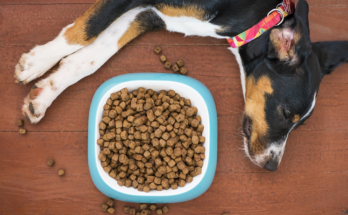
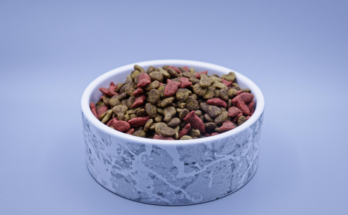
Dry dog food is popular because it is convenient, easy to measure, and generally simple to store.
Kibble can be useful for owners who want a practical everyday feeding option. It also allows you to measure portions accurately.
However, dry food contains relatively little moisture compared with canned food. Dogs eating dry food should have regular access to fresh water.
When choosing dry dog food, focus on the nutritional adequacy statement, calorie information, intended life stage, and overall formula rather than choosing only based on the front label.
Wet Dog Food
Wet dog food contains much more water than dry food. Some dogs enjoy its texture and smell, which can be helpful for picky eaters.
Wet food can also make meals more appealing for dogs that have difficulty chewing dry kibble.
The disadvantage is that wet food can be more expensive per calorie and may require refrigeration after opening.
Wet and dry foods can sometimes be combined, provided the total daily calories are appropriate.
Consider Your Dog’s Health
A healthy dog may do well on a standard complete and balanced diet. Dogs with certain health conditions may require something more specific.
For example, dogs with food allergies, kidney disease, urinary problems, obesity, digestive disorders, or other medical conditions may benefit from veterinary guidance.
Do not assume that a food marketed for a particular condition will be appropriate for your dog. Medical diets should be selected according to the individual dog’s needs.
If your dog has persistent vomiting, diarrhea, itching, unusual weight loss, excessive thirst, or other concerning symptoms, contact a veterinarian rather than changing foods repeatedly at home.
Understand Food Allergies and Sensitivities
Food allergies are different from simple food preferences or temporary digestive upset.
Some dogs can develop allergic reactions to specific ingredients. Common food allergens in dogs can include certain animal proteins and other ingredients, but every dog is different.
Possible signs can include itching, skin problems, recurring ear problems, or digestive symptoms.
If you suspect a food allergy, speak with your veterinarian. A properly planned elimination diet may be recommended to identify the problem ingredient.
Simply switching between several commercial foods without a plan can make it difficult to determine what is causing the symptoms.
Do Not Choose Food Only Because of Marketing
Dog food packaging often uses attractive words such as natural, premium, holistic, healthy, or high protein.
These words can sound impressive, but they should not be the main reason for choosing a product.
Instead, look at the information that actually helps you evaluate the food. Check whether it is complete and balanced, whether it is appropriate for your dog’s life stage, how many calories it provides, and whether it fits your dog’s nutritional requirements.
Good dog food selection should be based on nutrition and your dog’s individual needs rather than advertising language alone.
Grain Free Does Not Automatically Mean Better
Grain free dog food has become popular among some pet owners, but avoiding grains is not automatically necessary for every dog.
Dogs can digest properly prepared grains, and ingredients such as rice, oats, and barley can provide nutrients and energy.
Unless your veterinarian has identified a specific reason to avoid a particular ingredient, there is generally no need to remove grains simply because they are grains.
The focus should remain on providing a complete and balanced diet that suits your dog.
Choose the Right Feeding Amount
Even high quality dog food can contribute to weight gain if your dog receives too many calories.
Dog food packages usually provide feeding guidelines based on body weight. These recommendations are useful starting points, but individual dogs may need more or less.
Treats, table food, dental chews, and other snacks also contribute calories.
A simple way to manage feeding is to measure your dog’s daily food rather than filling the bowl without measuring.
If your dog gains or loses weight, adjust the feeding amount gradually and consider discussing the change with your veterinarian.
Be Careful With Treats
Treats can be useful for training and bonding, but they should not replace a balanced diet.
Many dogs receive more calories from treats than their owners realize. Small treats can add up throughout the day.
When giving treats, consider reducing the amount of regular food if necessary to maintain an appropriate total calorie intake.
Healthy options can include small portions of appropriate vegetables or other veterinarian approved treats, depending on your dog’s individual needs.
Avoid foods that are toxic to dogs, including chocolate, grapes, raisins, onions, garlic, and products containing xylitol.
Change Dog Food Gradually
If you decide to change your dog’s food, avoid making a sudden switch unless a veterinarian specifically recommends it.
A gradual transition can help reduce the chance of digestive upset. You can start by mixing a small amount of the new food with the current food and gradually increase the proportion of the new food over several days.
Some dogs may need an even slower transition if they have sensitive digestion.
If your dog develops persistent vomiting, severe diarrhea, refuses food, or shows other concerning symptoms, contact a veterinarian.
Consider Your Dog’s Personal Preference
Nutrition is the priority, but your dog’s preference also matters.
Some dogs prefer dry food, while others enjoy wet food. Some dogs may prefer a particular texture or flavor.
If a nutritionally appropriate food is consistently refused, you may need to consider another suitable option.
However, frequent food changes simply because your dog refuses one meal can encourage picky eating in some dogs.
Healthy dogs sometimes skip a meal, but persistent appetite changes should be discussed with a veterinarian.
Store Dog Food Properly
Proper storage helps maintain food quality.
Keep dry dog food in a cool, dry place and preferably in its original bag inside a clean, sealed container. The original packaging contains useful information such as the lot number and expiration details.
For wet food, follow the storage instructions on the package and refrigerate opened portions as directed.
Always wash food and water bowls regularly. Clean feeding equipment helps reduce the buildup of bacteria and old food residue.
Common Mistakes When Choosing Dog Food
One common mistake is choosing food only because it is expensive. Higher price does not automatically guarantee that a food is right for every dog.
Another mistake is changing food too frequently. If your dog is healthy and doing well on a complete and balanced diet, there may be no reason to change it without a clear purpose.
Some owners also focus too heavily on one ingredient. A complete diet is more complicated than simply finding the highest amount of one nutrient.
Another mistake is ignoring calories. Even nutritionally balanced food can lead to obesity when portions are too large.
Finally, owners sometimes ignore changes in their dog’s body condition. Regularly monitoring weight and body shape can help you recognize when feeding adjustments are needed.
Questions to Ask Before Buying Dog Food
Before purchasing a new dog food, ask yourself a few simple questions.
Is this food complete and balanced?
Is it designed for my dog’s life stage?
Does it suit my dog’s size and activity level?
How many calories does it provide?
Does my dog have any known food allergies or medical conditions?
Can I measure the feeding portions accurately?
Will I be able to store the food properly?
If the answer to these questions is clear, you are in a much better position to make an informed choice.
When to Ask a Veterinarian
Veterinary advice is especially important if your dog has a medical condition, is significantly overweight or underweight, is pregnant or nursing, or has persistent digestive or skin problems.
A veterinarian can evaluate your dog’s overall health and help determine whether a standard diet or a specific nutritional plan is appropriate.
Puppies, senior dogs, and dogs with chronic health conditions may also benefit from more individualized nutritional guidance.
Final Thoughts
Choosing the right food for your dog does not have to be confusing. The most important step is to look beyond attractive packaging and focus on your dog’s actual nutritional needs.
Consider your dog’s age, size, activity level, body condition, health, and food preferences. Check the nutritional adequacy statement and feeding information on the package. Measure portions carefully and monitor your dog’s weight over time.
Dry food, wet food, or a combination can all be appropriate when the overall diet is complete and balanced and fits the dog’s individual needs.
Most importantly, remember that there is no single dog food that is perfect for every dog. A food that works well for one dog may not suit another. Paying attention to your dog’s health and behavior and working with a veterinarian when necessary can help you build a feeding routine that supports a healthy and active life.
Good nutrition is one of the simplest ways to support your dog’s long term wellbeing. With careful selection, sensible portions, fresh water, and regular health monitoring, you can give your dog a diet that meets its needs throughout every stage of life.