Choosing the right food for a dog is one of the most important decisions a pet owner makes. Food affects a dog’s energy, body weight, digestion, muscle health, skin, coat, and overall well being. Two of the most common choices are wet dog food and dry dog food. Both can provide important nutrients when they are properly formulated, but they have different qualities that may make one more suitable for a particular dog.
Some dogs enjoy the soft texture and strong smell of wet food, while others prefer the crunchy texture of dry kibble. Pet owners also have to consider storage, feeding habits, cost, dental care, water intake, and the individual needs of their dogs.
This guide explains the main differences between wet dog food and dry dog food for daily meals. Understanding these differences can help you choose a feeding routine that fits your dog’s age, size, lifestyle, and nutritional needs.
What Is Wet Dog Food?
Wet dog food contains a high amount of moisture and is usually sold in cans, trays, or sealed pouches. Its texture can range from smooth pâté to chunks of meat in gravy. Because it contains more water than dry food, wet dog food has a softer consistency.
Many dogs find wet food appealing because of its smell, taste, and texture. This can be useful for dogs that are selective eaters or have difficulty chewing harder foods.
Wet dog food can also contribute to a dog’s daily water intake. This does not mean that a dog no longer needs fresh drinking water, but the additional moisture can be useful for dogs that do not naturally drink much.
What Is Dry Dog Food?
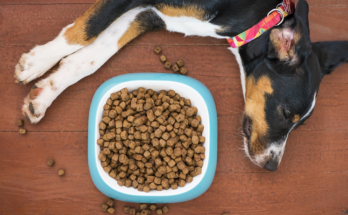
Dry dog food is commonly called kibble. It is produced by combining ingredients into a balanced formula and processing them into small pieces. Dry food contains much less moisture than wet food, which makes it more concentrated.
One major advantage of dry dog food is convenience. It can usually be measured easily, stored for a longer period after opening, and served without refrigeration.
Dry kibble is available for dogs of different ages, sizes, and activity levels. Some formulas are designed for puppies, adult dogs, senior dogs, large breeds, or dogs with specific dietary needs.
Wet Dog Food vs Dry Dog Food: Main Differences
The biggest difference between wet dog food and dry dog food is moisture content. Wet food contains considerably more water, while dry food is more concentrated.
The texture is another obvious difference. Wet food is soft and moist, while dry food is firm and crunchy.
Storage is also different. An unopened can or pouch of wet food can be stored at room temperature, but opened wet food normally needs to be refrigerated and used within the recommended period. Dry food is easier to store after opening, although it should still be kept in a cool, dry, clean container.
Cost can also vary. Dry dog food is often more economical when compared on a calorie basis, although the price depends on the ingredients and quality of the product.
Neither type is automatically the perfect choice for every dog. The best option depends on the dog’s nutritional requirements and feeding situation.
Nutrition in Wet Dog Food
A properly formulated wet dog food can provide protein, fat, carbohydrates, vitamins, minerals, and other nutrients needed by dogs. However, because wet food contains more water, the nutrient levels listed on the label can appear lower when compared directly with dry food.
For example, a wet food may show a lower percentage of protein than a dry food simply because a large part of the wet food consists of water. This is why comparing foods only by the percentages printed on the label can sometimes be misleading.
Pet owners should focus on whether the food provides complete and balanced nutrition for the appropriate life stage.
If a dog eats wet food as its primary daily meal, the food should be designed to meet the dog’s nutritional requirements rather than being used only as a treat or topper.
Nutrition in Dry Dog Food
Dry dog food is more concentrated because it contains less water. A relatively small amount can provide a significant number of calories and nutrients.
This concentration makes portion control especially important. Giving a dog too much kibble can increase calorie intake quickly, particularly when treats are also included.
High quality dry dog food can provide complete nutrition when it is properly formulated. Pet owners should choose food according to the dog’s life stage and individual needs rather than selecting a product simply because it has attractive packaging.
Which Food Is Better for Hydration?
Wet dog food has a clear advantage when it comes to moisture. Since it contains a high amount of water, it can increase the amount of fluid a dog receives through meals.
This can be helpful for dogs that tend to drink small amounts of water. It can also make meals more appealing during hot weather.
However, wet food should not replace access to clean drinking water. Dogs should have fresh water available throughout the day.
Dogs eating dry food may naturally drink more water because kibble contains less moisture. Owners should always make sure the water bowl is clean and filled regularly.
Wet Dog Food and Dental Health
Many people believe that dry food automatically cleans a dog’s teeth. This is an oversimplification.
Ordinary dry kibble may provide some chewing action, but it should not be considered a substitute for proper dental care. Some specially designed dental diets can have a specific texture that helps reduce plaque or tartar, but not every dry food has this effect.
Wet food is soft and does not provide the same chewing texture as dry kibble. However, feeding wet food does not automatically mean that a dog will develop dental problems.
Regular tooth brushing, veterinary dental examinations, and appropriate dental care are more reliable ways to support oral health.
Wet Food for Picky Dogs
Some dogs are naturally selective about their food. Wet dog food can sometimes be useful because it has a stronger smell and softer texture.
A dog that refuses dry kibble may show more interest in wet food. Adding a small amount of wet food to dry kibble can also make a meal more attractive.
However, constantly changing foods whenever a dog refuses a meal can sometimes create difficult feeding habits. If a dog suddenly loses interest in food, especially if other symptoms are present, the situation should not simply be treated as picky eating. A veterinarian can help determine whether an underlying problem is involved.
Dry Food for Convenient Daily Feeding
Dry dog food is popular because it is simple to measure and serve. This makes it practical for busy households.
Kibble can also be useful for food puzzles and certain enrichment activities. Instead of placing the entire daily portion in a bowl, some of the food can be used in an appropriate puzzle feeder.
Dry food is generally easier to carry during travel and does not create the same storage challenges as opened wet food.
For families that want a simple daily feeding routine, these practical benefits can be important.
Which Is Better for Puppies?
Puppies have different nutritional requirements from adult dogs. They need food that supports growth, bone development, muscle development, and healthy body condition.
Both wet and dry puppy foods are available. The important point is that the product should be appropriate for the puppy’s life stage and expected size.
Large breed puppies can have particular nutritional requirements, so owners should not assume that any general dog food is suitable.
The feeding amount should also be adjusted as the puppy grows. Regular veterinary visits can help owners monitor growth and body condition.
Which Is Better for Senior Dogs?
Older dogs can have changing nutritional needs. Some senior dogs remain comfortable eating dry kibble throughout their lives, while others prefer softer wet food.
Wet food may be easier for some older dogs to eat, particularly if chewing harder pieces is uncomfortable. However, difficulty eating can sometimes be related to dental disease or another health problem.
Senior dogs may also need diets adjusted for their body condition, activity level, or specific health requirements. A veterinarian can provide individualized advice when a senior dog’s nutritional needs change.
Calorie Control and Portion Size
Portion control is important whether you feed wet dog food, dry dog food, or a combination of both.
Wet food can contain a large amount of water, so the serving may look bigger than a similar calorie amount of dry food. This can sometimes make wet meals appear more filling.
Dry food is calorie dense, so small differences in serving size can add up over time.
Instead of guessing portions, follow the feeding guidance provided by the manufacturer and adjust it based on your dog’s body condition, activity, age, and veterinary advice.
Treats should also be included when considering the dog’s total daily calorie intake.
Can You Mix Wet and Dry Dog Food?
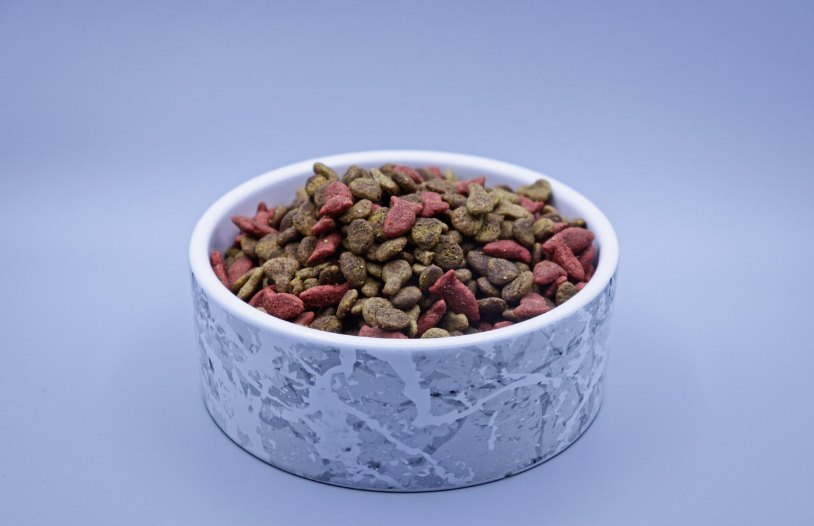
Yes, many owners combine wet and dry dog food. This approach can provide the texture and moisture of wet food while retaining the convenience of kibble.
The key is to adjust the portions. Simply adding wet food on top of the normal amount of dry food can increase total calorie intake.
For example, if you normally feed a full serving of dry food, adding a full serving of wet food as an extra meal may result in excessive calories.
A mixed feeding plan should still provide appropriate nutrition without unnecessarily increasing the total amount of food.
How to Introduce a New Dog Food
Dogs can experience digestive upset when their food is changed suddenly. A gradual transition is usually easier for the digestive system.
Start by mixing a small amount of the new food with the current food. Gradually increase the amount of new food while reducing the old food over several days.
Some dogs may need a slower transition, especially if they have sensitive digestion.
If vomiting, persistent diarrhea, refusal to eat, or other concerning symptoms develop, contact a veterinarian rather than continuing to change foods repeatedly.
Reading a Dog Food Label
A dog food label can provide useful information about the product. Look for information about the intended life stage and whether the food is designed to provide complete and balanced nutrition.
The ingredient list can also help you understand what is included in the formula. Ingredients are generally listed by weight before processing, so the list should be interpreted carefully.
Guaranteed analysis provides information about nutrients such as crude protein and crude fat. However, comparing wet and dry food using these numbers alone can be misleading because of their different moisture levels.
The feeding instructions can also provide a starting point for portion planning.
Wet Dog Food Storage
Proper storage is important for food safety.
Unopened wet dog food should be stored according to the manufacturer’s instructions. Once opened, unused food should generally be covered and refrigerated.
Do not leave wet food sitting at room temperature for extended periods. Follow the product instructions for how long opened food can safely be stored.
Food bowls should also be washed regularly. Leftover food can spoil and create an unpleasant environment for pets.
Dry Dog Food Storage
Dry dog food should be stored in a cool, dry place away from excessive heat and moisture.
Keeping kibble in its original packaging inside an appropriate airtight container can help maintain freshness. The original package also contains useful information such as the product name, lot information, and expiration details.
Avoid storing large amounts of food for too long simply because dry food has a longer shelf life. Freshness still matters.
Always check the food for unusual odor, moisture, mold, insects, or other signs of spoilage.
Common Mistakes Pet Owners Make
One common mistake is choosing food based only on price. Budget is important, but the food should also meet the dog’s nutritional needs.
Another mistake is feeding too much because the dog appears hungry. Some dogs will continue asking for food even after receiving enough calories.
Giving too many treats is another common problem. Treats should be considered part of the overall daily diet.
Some owners also change food too frequently. Unless there is a good reason to change, a consistent diet can make feeding easier and may reduce digestive upset.
Finally, some people assume that wet food is always healthier or that dry food is always healthier. Neither statement is universally true. The nutritional quality of the specific product matters.
Wet Dog Food vs Dry Dog Food for Daily Meals
For everyday feeding, both wet and dry dog food can have a place in a balanced diet.
Wet food provides more moisture and often has a soft texture that many dogs enjoy. It can be particularly useful for dogs that prefer moist meals.
Dry food provides convenience, easy portion measurement, simple storage, and a concentrated source of calories and nutrients.
Some households use one type exclusively, while others combine both. The important consideration is whether the overall diet provides complete nutrition and an appropriate amount of calories.
Frequently Asked Questions
Is wet dog food healthier than dry dog food?
Not necessarily. Both can be suitable for daily meals when they are properly formulated to provide complete and balanced nutrition. The right choice depends on the individual dog and the specific food.
Can dogs eat wet food every day?
Yes, a complete and balanced wet dog food can be used as a daily meal. Owners should follow appropriate feeding amounts and storage instructions.
Can dogs eat dry food every day?
Yes. Complete and balanced dry dog food can be part of a dog’s daily diet. Fresh drinking water should always be available.
Is it okay to mix wet and dry dog food?
Yes. Mixing the two can be a practical feeding approach. The total portions should be adjusted so that the dog does not receive excessive calories.
Does dry food clean a dog’s teeth?
Regular kibble should not be considered a replacement for dental care. Tooth brushing and veterinary dental care are more dependable methods of supporting oral health.
Which food is better for picky eaters?
Some picky dogs prefer wet food because of its smell and texture. However, sudden changes in appetite can sometimes indicate a health problem and should not automatically be treated as picky eating.
Final Thoughts
Wet dog food and dry dog food can both work well for daily meals when they are selected carefully and fed in appropriate portions. Wet food offers higher moisture and a soft texture, while dry food offers convenience, easy storage, and concentrated nutrition.
There is no single feeding method that works perfectly for every dog. Age, size, activity level, body condition, eating preferences, dental health, and individual nutritional requirements all matter.
The most useful approach is to choose a complete and balanced food that suits your dog’s needs, measure portions carefully, provide fresh water, and monitor your dog’s body condition over time.
If you are unsure whether your dog’s current diet is appropriate, a veterinarian can help you choose a feeding plan based on your dog’s individual nutritional requirements. A thoughtful daily feeding routine can support healthy growth, stable energy, and a better quality of life for your dog.