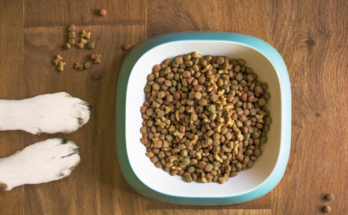
Taking care of a pet is not only about giving them love, shelter, and regular exercise. Good nutrition is one of the most important parts of keeping a pet healthy and active. Just like people, pets need a balanced diet that provides the right nutrients in suitable amounts. The food a pet eats can affect their growth, energy, immune system, digestion, skin, coat, bones, and overall quality of life.
Understanding the essential nutrients every pet needs can help pet owners make better food choices. Whether you have a dog, cat, rabbit, or another common household pet, proper nutrition should always be an important part of daily care.
Why Proper Nutrition Is Important for Pets
Pets need nutrients to support almost every function of their bodies. A nutritious diet gives them energy for daily activities and provides the building blocks needed for healthy muscles, bones, organs, and tissues. Good nutrition can also support a strong immune system and help pets maintain a healthy body weight.
Poor nutrition may cause several problems over time. A pet may become overweight, lose energy, develop a dull coat, or experience digestive problems when their diet does not provide the nutrients they need. Puppies and kittens have especially high nutritional needs because their bodies are growing quickly.
A balanced pet diet should contain essential nutrients in appropriate amounts rather than focusing on only one ingredient.
Protein
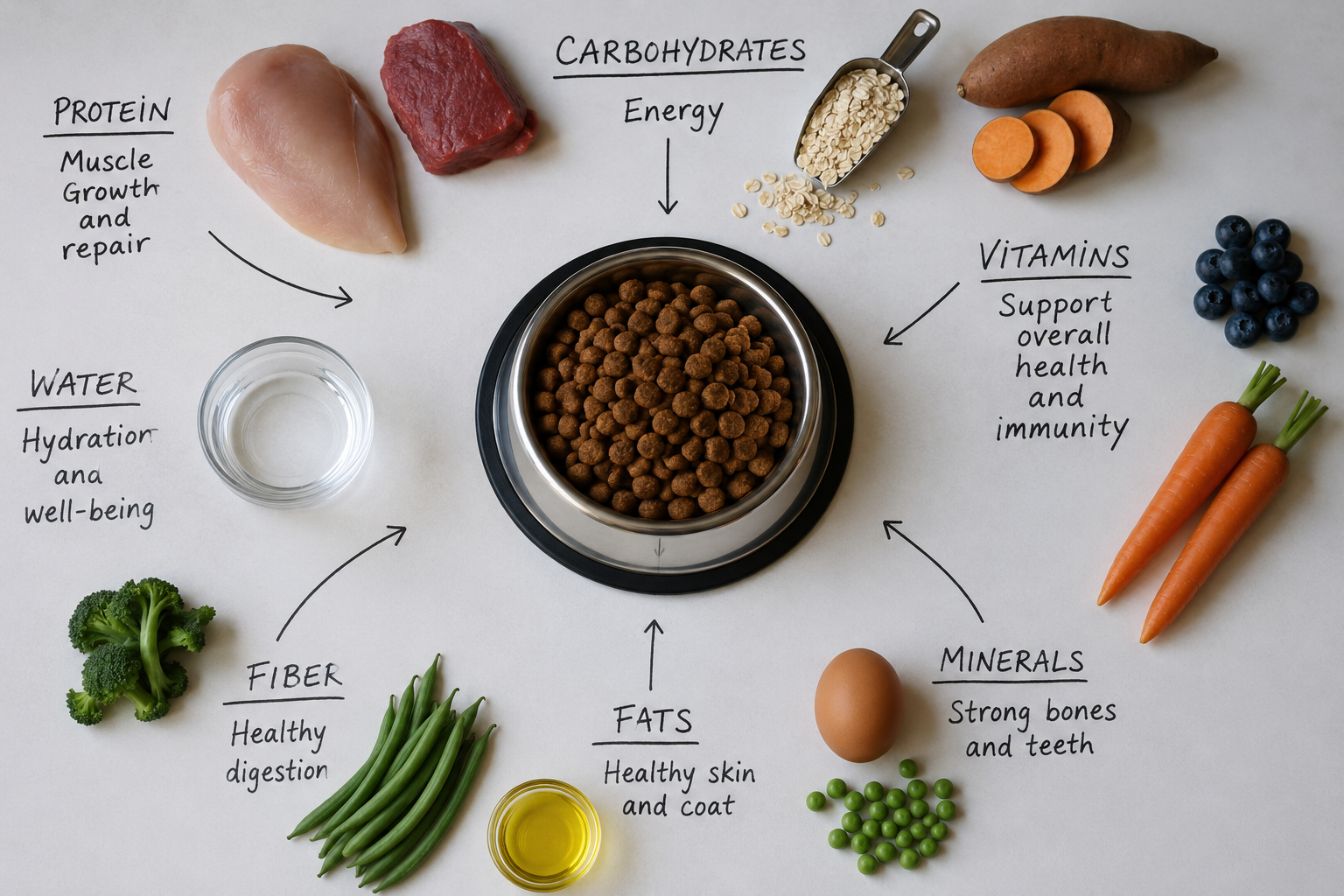
Protein is one of the most important nutrients for pets. It helps build and repair muscles, skin, organs, and other body tissues. Protein is made from amino acids, which play an important role in many body functions.
Dogs and cats need protein as part of a healthy diet, although their individual requirements can vary depending on their age, size, activity level, and health condition. Growing pets generally need more protein than some adult pets because their bodies are developing.
Good sources of protein in pet food can include meat, fish, eggs, and other suitable animal or plant ingredients depending on the species and formulation of the food. Cats have particularly important dietary requirements for certain amino acids, so their food should be specifically formulated for cats.
Fats
Fats are another essential nutrient for pets. They provide concentrated energy and help the body absorb certain vitamins. Healthy fats can also support the skin and coat, making them an important part of a balanced pet diet.
Fat provides more energy per gram than protein or carbohydrates, so the amount should be suitable for the pet’s lifestyle. Pets that are very active may have different energy needs from pets that spend most of their time indoors.
Essential fatty acids are especially valuable because pets cannot produce enough of some of them on their own. Omega 3 and omega 6 fatty acids can support healthy skin, a shiny coat, and normal body functions.
However, too much fat can contribute to weight gain. Pet owners should therefore avoid giving excessive fatty treats or table scraps.
Carbohydrates
Carbohydrates can provide energy and contribute to a balanced diet for many pets. They can come from ingredients such as grains, vegetables, and other plant based foods depending on the pet food formula.
Dogs can generally use carbohydrates as an energy source. Cats have different nutritional characteristics and rely more heavily on nutrients from animal based foods, although properly formulated cat foods may still contain controlled amounts of carbohydrates.
The quality and overall balance of the diet are more important than simply focusing on whether carbohydrates are present. Pet owners should choose food that is formulated to meet the nutritional needs of the specific animal.
Vitamins
Vitamins are needed in smaller quantities, but they are still essential for good health. Different vitamins perform different functions throughout the body.
Vitamin A supports normal vision, skin, and immune function. B vitamins are involved in energy metabolism and nervous system function. Vitamin D helps support healthy bones and calcium balance. Vitamin E provides antioxidant support and contributes to normal immune function.
The amount of each vitamin a pet needs depends on the species and life stage. Giving large amounts of vitamin supplements without professional advice can sometimes be harmful. A complete and balanced pet food is generally designed to provide appropriate levels of essential vitamins.
Minerals
Minerals are essential for strong bones, teeth, muscles, nerves, and many other body processes. Important minerals for pets include calcium, phosphorus, potassium, magnesium, iron, zinc, copper, and selenium.
Calcium and phosphorus are particularly important for bone and dental health. Growing puppies and kittens need these minerals in suitable proportions because their bones are developing rapidly.
Minerals also support blood formation, muscle function, enzyme activity, and immune health. As with vitamins, more is not always better. An imbalance of certain minerals can cause health problems, which is why balanced pet food is usually a better choice than randomly adding supplements.
Water
Water is often forgotten when people talk about pet nutrition, but it is one of the most essential nutrients of all. Every pet needs regular access to fresh and clean water.
Water helps regulate body temperature, transport nutrients, support digestion, remove waste, and maintain normal organ function. A pet can become seriously dehydrated when it does not receive enough water.
Some pets naturally drink less than others. Cats, for example, may have a low thirst drive, which makes water intake particularly important. Wet food can contribute to daily water intake, but fresh drinking water should still always be available.
Pet owners should wash water bowls regularly and replace old water with fresh water throughout the day when needed.
Fiber
Fiber can play an important role in digestive health. It can help support normal bowel movements and contribute to healthy digestion.
Different types of fiber have different effects. Some fibers can help add bulk to stool, while others can support beneficial bacteria in the digestive system.
The right amount of fiber depends on the pet and the type of diet. Too little or too much may cause digestive changes. A properly formulated pet food can provide an appropriate amount for the intended animal.
Essential Fatty Acids
Essential fatty acids deserve special attention because they support several areas of pet health. Omega 3 and omega 6 fatty acids are involved in normal skin function, coat health, and other biological processes.
A balanced supply of fatty acids can help maintain healthy skin and a smooth coat. They may also support normal inflammatory responses and overall wellness.
Pet owners should choose suitable sources and avoid giving human supplements unless a veterinarian recommends them. Some supplements may contain ingredients or doses that are not appropriate for animals.
Antioxidants
Antioxidants help protect cells from damage caused by free radicals. Some vitamins and natural compounds found in foods can provide antioxidant benefits.
Antioxidants can support normal immune function and overall cellular health. They may be especially useful as pets grow older because nutritional needs can change with age.
A varied and balanced diet can provide many naturally occurring antioxidants. Pet owners should focus on complete nutrition rather than relying heavily on individual supplements.
Nutrition for Different Life Stages
Pets do not have the same nutritional needs throughout their lives. Puppies and kittens need food designed for growth and development. Adult pets need nutrition that helps maintain a healthy body weight and supports daily activity. Senior pets may require adjustments based on their changing energy needs and health status.
Pregnant and nursing animals can also have increased nutritional requirements. Their diet may need additional energy and specific nutrients to support both the mother and developing young.
Choosing food according to life stage is therefore an important part of responsible pet care.
How to Choose Healthy Pet Food
When choosing pet food, pet owners should look beyond attractive packaging and focus on nutritional quality. Check the product label and select food that is appropriate for the animal species, age, size, and lifestyle.
A complete and balanced formula can make it easier to provide essential nutrients without having to calculate every nutrient separately. Treats should be given in moderation and should not replace a balanced main diet.
It is also important to introduce dietary changes gradually. Suddenly changing food can sometimes cause digestive upset. A slow transition allows the pet to adjust more comfortably.
The Importance of Portion Control
Even healthy food can cause problems when given in excessive amounts. Portion control helps pets maintain a healthy weight and prevents unnecessary calorie intake.
The right portion depends on factors such as body size, age, activity level, and individual metabolism. Feeding guidelines on pet food packaging can provide a starting point, but they may need to be adjusted according to the pet’s condition.
Regularly monitoring weight and body condition can help owners identify changes early.
When Supplements May Be Needed
Some pets may benefit from nutritional supplements, but supplements are not automatically necessary for every animal. A complete and balanced diet may already provide the nutrients a healthy pet needs.
Supplements may sometimes be recommended when a pet has a specific nutritional requirement or health concern. However, pet owners should speak with a veterinarian before adding supplements to the diet. Too much of certain nutrients can be harmful.
Final Thoughts
Understanding the essential nutrients every pet needs is an important part of responsible pet ownership. Protein, healthy fats, carbohydrates, vitamins, minerals, water, fiber, essential fatty acids, and antioxidants all have valuable roles in supporting pet health.
The best diet is not necessarily the most expensive one. It is the diet that provides balanced and appropriate nutrition for the specific animal. Age, size, activity level, and individual needs should always be considered when choosing pet food.
By providing balanced pet nutrition, fresh water, sensible portions, and suitable food for each life stage, pet owners can help their companions stay energetic and healthy. Good nutrition is a daily investment in a pet’s health, happiness, and long term quality of life.