
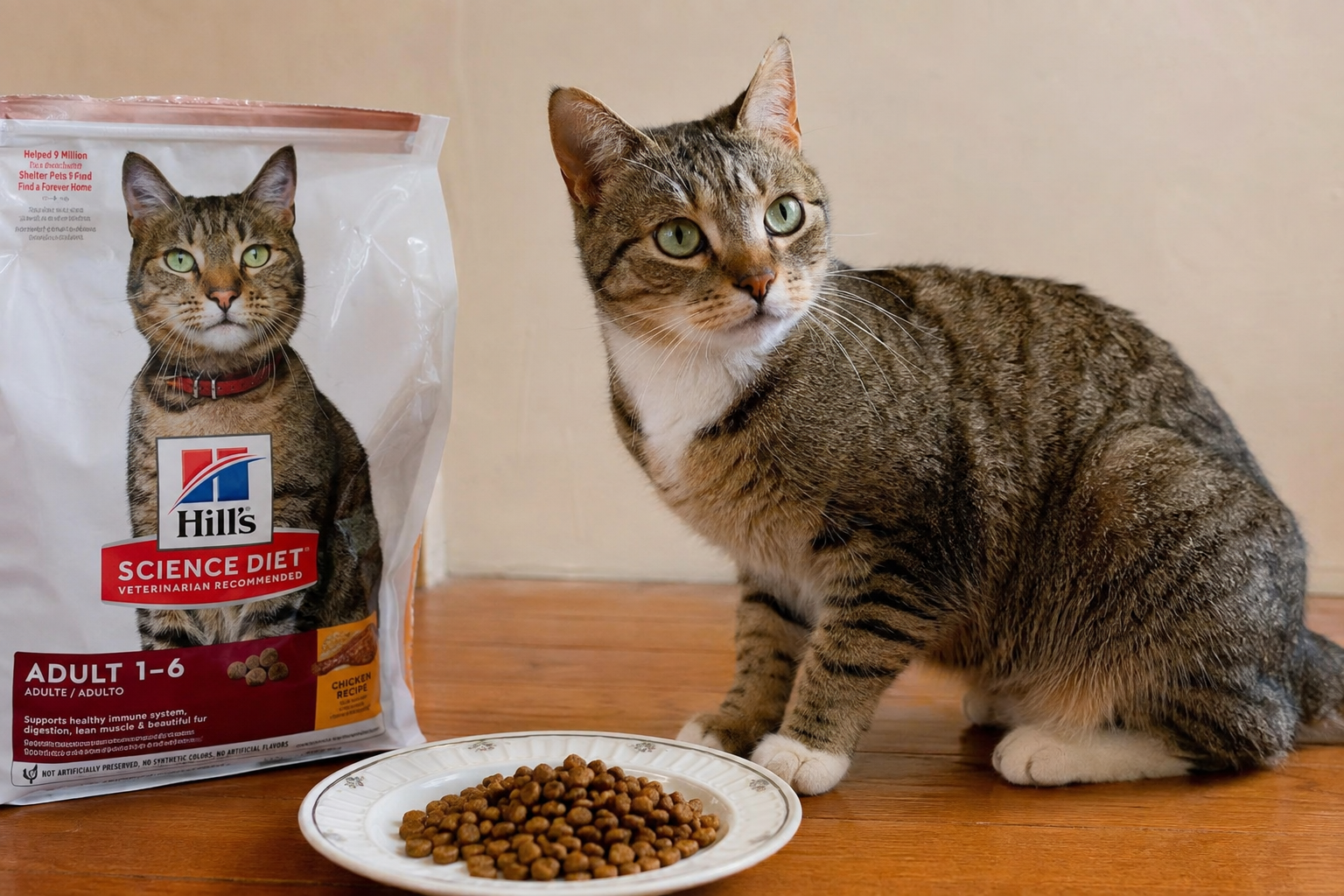
Choosing the right food for your cat is one of the most important decisions you can make as a pet owner. A healthy diet gives your cat the energy it needs, supports strong muscles, keeps the immune system working properly, and helps maintain a healthy weight. However, with so many cat food products available, selecting the best option can sometimes feel confusing. Different cats have different nutritional needs based on their age, size, activity level, health, and lifestyle.
Understanding what to look for in cat food can help you make a better choice. Whether you have a young kitten, an active adult cat, or a senior cat, the right diet can make a meaningful difference in overall health and quality of life.
Understand Your Cat’s Nutritional Needs
The first step in choosing the right food for your cat is understanding basic feline nutrition. Cats are obligate carnivores, which means they naturally require nutrients found in animal based foods. Protein is especially important because it supports muscle development, tissue repair, and daily energy needs.
A good cat food should provide high quality protein along with essential fats, vitamins, and minerals. Cats also need specific nutrients such as taurine, arachidonic acid, and certain vitamins that are important for normal body functions.
When selecting cat food, avoid choosing a product simply because the package looks attractive. Always check the nutritional information and ingredient list to understand what your cat is actually eating.
Choose Food According to Your Cat’s Age
Your cat’s age has a major effect on its nutritional requirements. Kittens need more calories, protein, and certain nutrients because their bodies are growing rapidly. Kitten food is specially formulated to support healthy bones, muscles, organs, and brain development.
Adult cats usually need a balanced diet that helps maintain their body weight and supports normal activity. Feeding an adult cat too many calories can lead to weight gain, especially if the cat spends most of the day indoors.
Senior cats may have different nutritional needs. Some older cats benefit from food that is easier to digest and contains carefully balanced nutrients. However, every senior cat is different, so it is useful to discuss dietary changes with a veterinarian.
Choosing food designed for your cat’s life stage is one of the easiest ways to provide appropriate nutrition.
Look for High Quality Protein
Protein should be an important part of a healthy cat diet. Cats depend on protein for maintaining muscles and supporting many essential body functions. When reading the ingredient list, look for identifiable animal protein sources such as chicken, turkey, beef, fish, or other suitable meats.
The exact protein source your cat prefers can vary. Some cats enjoy poultry based foods while others prefer fish or other meats. If your cat has a sensitive stomach or food allergy, your veterinarian may recommend a specific protein source.
A balanced cat food should provide sufficient protein without relying heavily on ingredients that offer limited nutritional value.
Check the Ingredient List
Reading the ingredient list is an important habit when buying cat food. Ingredients are generally listed according to their weight, so the first few ingredients can give you an idea of what the food contains.
Look for recognizable sources of animal protein and a balanced combination of nutrients. You should also consider whether the food contains ingredients your cat has previously reacted badly to.
Do not assume that a long ingredient list automatically means poor quality. Some foods contain several ingredients because they provide different vitamins, minerals, or other nutrients. The overall nutritional balance is more important than judging a food based on one ingredient alone.
Wet Food or Dry Food
Many cat owners wonder whether wet food or dry food is better. Both types can be useful when they provide complete and balanced nutrition.
Wet cat food has a high moisture content, which can help increase your cat’s overall water intake. This can be particularly useful for cats that do not naturally drink much water. Wet food also comes in many textures and flavors, making it appealing to cats with different preferences.
Dry cat food is convenient, easy to store, and simple to measure. Some owners find it useful for scheduled feeding. However, cats eating dry food should still have access to fresh drinking water throughout the day.
Some cat owners choose to combine wet and dry food. The best choice depends on your cat’s preferences, nutritional needs, lifestyle, and health condition.
Consider Your Cat’s Activity Level
A cat that spends most of its day running, playing, and exploring may need more calories than a cat that sleeps for much of the day. Indoor cats can sometimes gain weight because they have fewer opportunities for physical activity.
When choosing cat food, consider how active your pet is. If your cat is gaining weight, reducing excessive treats and controlling portion sizes may be more helpful than simply changing food.
For highly active cats, a nutritionally balanced food with sufficient calories and protein can help support their energy requirements. Always monitor your cat’s body condition rather than relying only on the feeding suggestions printed on the package.
Pay Attention to Portion Size
Even the best cat food can contribute to health problems if your cat eats too much. Portion control is an important part of maintaining a healthy body weight.
Follow the feeding recommendations on the food packaging as a starting point, but remember that individual cats may need different amounts. Factors such as age, size, activity level, metabolism, and health can influence calorie requirements.
Regularly check your cat’s weight and body condition. If you notice significant weight gain or weight loss, consult a veterinarian for guidance.
Treats should also be given in moderation. Too many treats can add unnecessary calories and may interfere with a balanced diet.
Think About Special Dietary Needs
Some cats have special dietary requirements because of allergies, digestive sensitivities, weight problems, or other health concerns. In these situations, choosing ordinary cat food without professional guidance may not be the best approach.
A veterinarian can help determine whether your cat needs a specialized diet. Prescription diets may be recommended for certain health conditions and should generally be used according to veterinary advice.
If your cat experiences repeated vomiting, diarrhea, unusual changes in appetite, excessive thirst, or unexplained weight changes, speak with a veterinarian rather than trying to solve the problem only by changing food.
Introduce New Food Slowly
Cats can be sensitive to sudden changes in their diet. If you decide to switch to a new cat food, make the change gradually instead of replacing the old food immediately.
You can begin by mixing a small amount of the new food with the food your cat already eats. Gradually increase the amount of new food while reducing the old food over several days.
A slow transition can make it easier for your cat to accept the new flavor and may reduce the chance of digestive upset. If your cat refuses the new food completely or develops persistent digestive problems, contact your veterinarian.
Consider Your Cat’s Personal Preference
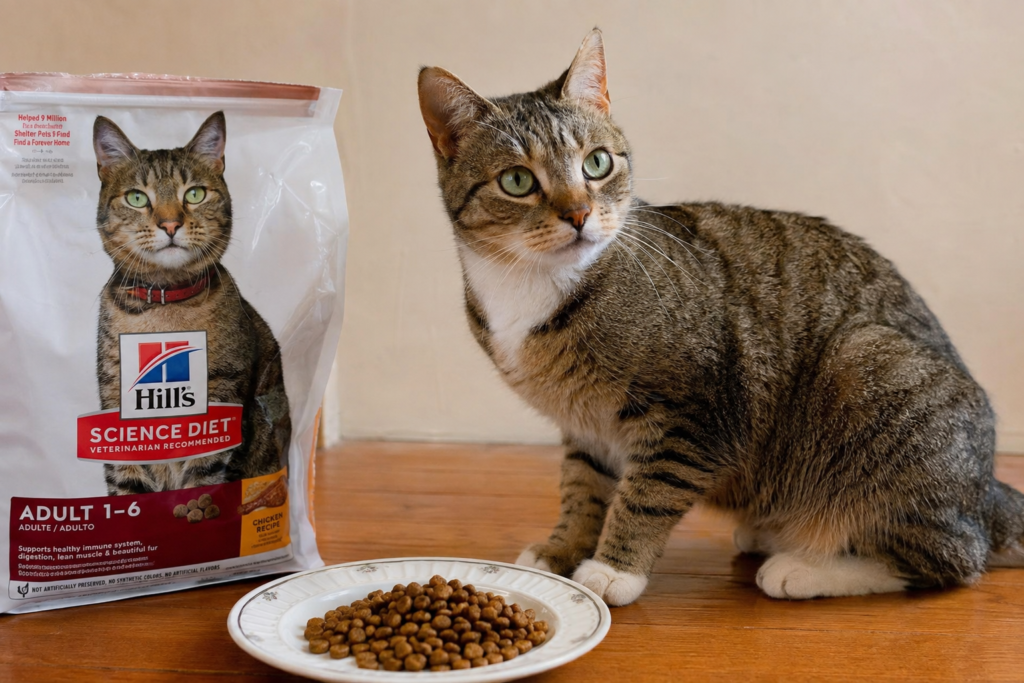
Nutrition is important, but your cat also needs to actually eat the food. Cats can have strong preferences for certain flavors, smells, textures, and temperatures.
One cat may prefer pâté while another may enjoy food with chunks or gravy. Some cats prefer dry food, while others strongly favor wet food.
If you have selected a nutritionally appropriate food but your cat refuses to eat it, try another suitable option. Avoid forcing a cat to eat a food it consistently rejects because cats need regular food intake to remain healthy.
Choose a Trusted Cat Food Brand
When buying cat food, choose products from manufacturers that provide clear nutritional information and follow recognized standards for pet food production. The packaging should clearly identify the product and provide feeding instructions.
It is also helpful to purchase food from reliable stores and check expiration dates before feeding it to your cat. Store the food according to the manufacturer’s instructions to maintain freshness and quality.
Price can be a consideration, but the cheapest option is not always the best choice. Focus on nutritional adequacy, ingredient quality, your cat’s needs, and your overall budget.
Keep Fresh Water Available
Food is only one part of a healthy feline diet. Fresh water is equally important. Make sure your cat has access to clean drinking water every day.
Some cats prefer wide bowls, running water, or multiple water stations around the home. Providing wet food can also increase moisture intake.
Clean water bowls regularly and replace the water when it becomes dirty. Good hydration supports normal body functions and is an important part of general cat care.
Monitor Your Cat After Choosing Food
After selecting a new cat food, pay attention to how your cat responds. Look at energy levels, appetite, stool quality, coat condition, and body weight.
A suitable diet should help your cat maintain a healthy weight and support normal daily activity. If you notice persistent digestive issues, changes in appetite, poor coat condition, or other unusual symptoms, seek veterinary advice.
Remember that the right food for one cat may not be the right food for another. Your cat’s nutritional needs can also change throughout its life.
Final Thoughts
Choosing the right food for your cat does not have to be difficult. Start by considering your cat’s age, activity level, body condition, and individual nutritional needs. Look for complete and balanced cat food that provides quality animal protein and essential nutrients.
Whether you choose wet food, dry food, or a combination of both, portion control and fresh water are important parts of a healthy feeding routine. Introduce new food gradually and monitor your cat’s response.
The best cat food is the one that provides appropriate nutrition, suits your cat’s individual needs, and supports a healthy and active life. By paying attention to ingredients, nutritional balance, feeding amounts, and your cat’s personal preferences, you can make a confident choice and give your feline companion the foundation for long term health and happiness.