Choosing the right food for a cat is one of the most important parts of responsible pet care. Cats need a balanced diet that provides enough protein, fat, vitamins, minerals, and water to support their health. When shopping for cat food, many owners face one common question: Is wet cat food better than dry cat food for everyday feeding?
Both wet and dry cat food can be suitable for cats when they are properly formulated and fed in the right amounts. However, they have different qualities that can affect hydration, feeding habits, portion control, storage, and overall convenience. Understanding these differences can help cat owners make a better choice for their pets.
Some cats prefer the smell and soft texture of wet food, while others enjoy the crunchy texture of dry food. Some cats can eat either type without any problem. The best choice often depends on the cat’s age, health, activity level, preferences, and daily routine.
This guide explains the differences between wet cat food and dry cat food and discusses how each option can fit into everyday feeding.
What Is Wet Cat Food?
Wet cat food contains a significant amount of water. It is commonly sold in cans, pouches, trays, and other sealed containers. The texture can vary from smooth pate to chunks, shreds, or pieces covered in gravy.
Because of its high moisture content, wet food can be helpful for cats that do not naturally drink much water. Cats evolved from animals that obtained much of their moisture through food, so some cats may not drink large amounts of water from a bowl.
Wet food also tends to have a strong smell and soft texture. These qualities can make it attractive to cats, especially those that are selective about their meals.
A complete and balanced wet cat food can provide the nutrients a cat needs when it is designed for the appropriate life stage.
What Is Dry Cat Food?
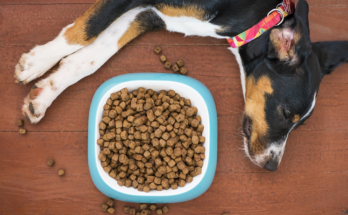
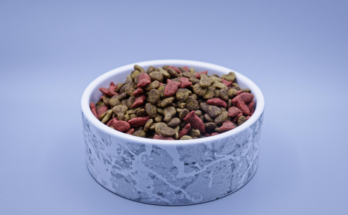
Dry cat food is made by combining ingredients into a formulated mixture and processing it into small pieces called kibble. The food has very little moisture compared with wet food.
Dry cat food is popular because it is easy to store, measure, and serve. It can remain in a bowl for longer periods than wet food without becoming spoiled as quickly.
Many cat owners choose dry food because it fits easily into a busy daily routine. It can also make portion measurement simple, especially when owners use a measuring cup or kitchen scale.
Like wet food, dry cat food can provide complete nutrition when it is properly formulated.
Wet Cat Food vs Dry Cat Food
The biggest difference between wet and dry cat food is their moisture content. Wet food contains much more water, while dry food contains much less.
This difference affects several parts of a cat’s daily feeding routine.
Wet food can contribute to daily water intake. Dry food provides concentrated nutrition in a smaller volume and is easier to store.
Neither type is automatically the perfect choice for every cat. The quality of the formula and the nutritional needs of the individual cat are more important than whether the food is simply wet or dry.
Hydration and Water Intake
Hydration is an important reason many owners include wet food in their cat’s diet.
Cats sometimes have low thirst drives and may not drink enough water on their own. Wet food contains a large amount of moisture, so eating it can increase a cat’s overall water intake.
This can be particularly useful for cats that rarely visit their water bowl.
Dry food does not provide the same amount of moisture. Cats eating mostly dry food generally need to obtain more of their water from drinking.
Fresh water should always be available regardless of the type of food being served.
Some cats enjoy drinking from fountains, while others prefer wide bowls or several water stations around the home. Providing clean water can encourage better drinking habits.
Nutrition in Wet Cat Food
Wet cat food can be an excellent source of animal based protein when the formula contains suitable ingredients.
Cats are obligate carnivores, which means their bodies have specific nutritional requirements associated with animal based foods. A suitable cat food should provide essential nutrients such as taurine, certain fatty acids, vitamins, and minerals.
Wet food is available in many formulas for kittens, adult cats, senior cats, and cats with specific dietary needs.
However, not every wet food is nutritionally complete. Some products are intended as treats or supplemental foods rather than complete meals.
Always check the nutritional statement on the packaging to understand whether the product is intended to provide complete nutrition.
Nutrition in Dry Cat Food
Dry cat food can also provide complete nutrition. Good quality dry formulas are carefully designed to supply the nutrients cats need.
Because dry food contains less water, its calories and nutrients are more concentrated.
This means a cat may need a relatively small amount of dry food compared with the volume of wet food required to provide a similar number of calories.
For this reason, portion control is important. Feeding too much dry food can contribute to excessive calorie intake, particularly in indoor cats with low activity levels.
The feeding instructions on the package can provide a starting point, but the ideal amount depends on the individual cat.
Which Food Is Better for Weight Management?
Weight management is another important consideration when comparing wet and dry cat food.
Wet food often contains more water, which means it can have fewer calories per gram than dry food. A cat may therefore be able to eat a larger physical portion of wet food while consuming a controlled amount of calories.
Dry food is more calorie dense. This makes portion measurement especially important.
However, wet food is not automatically a weight loss food. A cat can gain weight from eating too many calories regardless of whether those calories come from wet or dry food.
Owners should pay attention to portion size, treats, activity level, and the cat’s body condition.
Does Dry Food Clean a Cat’s Teeth?
There is a common belief that ordinary dry cat food naturally cleans a cat’s teeth.
Regular kibble may provide some mechanical contact with the teeth, but ordinary dry food should not be considered a replacement for proper dental care.
Some cats may swallow kibble quickly without much chewing. Special dental diets may be designed differently and may provide specific dental benefits.
Regular veterinary dental checks and appropriate dental care are still important.
Owners should not choose dry food only because they believe it will automatically keep a cat’s teeth clean.

Which Food Is Easier for Everyday Feeding?
Dry cat food is usually easier for busy households.
It can be measured quickly and stored in a sealed container. It does not require refrigeration after opening in the same way that opened wet food does.
Wet cat food requires more attention after opening. Uneaten food should not be left at room temperature for long periods because it can spoil.
Wet food can also be more expensive depending on the brand and the amount fed.
For owners with a predictable daily routine, wet food can still be very practical. It simply requires a little more planning.
What Do Cats Prefer?
Every cat is different.
Some cats love wet food and refuse dry food. Others prefer crunchy kibble and show little interest in canned meals. Some cats happily eat both.
Smell is especially important to cats. Wet food usually has a stronger aroma, which can make it more appealing.
Texture also matters. One cat may prefer pate while another may prefer chunks or shredded food.
When introducing a new food, it is often better to make the change gradually rather than suddenly replacing the current diet.
Feeding Wet and Dry Food Together
Many cat owners choose a combination feeding approach.
A cat may receive wet food at one meal and dry food at another. Another option is to provide a measured amount of dry food alongside a portion of wet food.
Combination feeding can provide the moisture of wet food while keeping some of the convenience of dry food.
However, calories from both foods must be considered.
For example, if a cat normally needs a specific daily calorie intake, adding wet food on top of the usual dry food without reducing the dry portion can result in excessive calories.
The total daily amount matters more than the number of meals.
How to Choose the Right Cat Food
The first step is to choose a food that is complete and balanced for the cat’s life stage.
Kittens have different nutritional requirements from adult cats. Senior cats may also have different needs depending on their health and activity level.
Look at the nutritional information on the package. Protein, fat, calories, vitamins, minerals, and other nutrients all contribute to a cat’s overall diet.
It is also useful to consider the cat’s preferences.
If a cat consistently refuses a particular texture, there may be little benefit in buying large quantities of that food.
Owners should also consider the cat’s body condition and lifestyle.
An active outdoor cat may have different calorie needs from an indoor cat that spends most of the day sleeping.
How Much Wet Cat Food Should You Feed?
There is no single amount that is correct for every cat.
Feeding recommendations depend on the food’s calorie content, the cat’s weight, age, activity level, and health.
Wet foods can vary considerably in calories. Therefore, simply counting cans or pouches is not always enough.
Read the feeding instructions on the package and use them as a starting point. Adjustments may be needed if the cat gains or loses weight.
A veterinarian can also help determine a suitable feeding plan, especially if the cat has a medical condition.
How Much Dry Cat Food Should You Feed?
Dry food should ideally be measured rather than offered without limits.
Leaving a large bowl of dry food available all day can make it difficult to know how many calories a cat is consuming.
Some cats naturally control their intake, but others continue eating because food is always available.
Measuring the daily portion can make weight management easier.
A kitchen scale can provide more accurate measurements than simply estimating a portion with a cup.
Wet Food for Cats That Drink Very Little
Wet food can be useful for cats that do not drink much water.
Adding moisture through food can help increase total water consumption. Some cats may also benefit from having multiple water bowls placed around the home.
However, a major change in drinking habits should not be ignored.
If a cat suddenly begins drinking much more or much less than usual, it is worth discussing the change with a veterinarian.
Changes in water intake can sometimes be associated with health problems.
Dry Food for Convenience
One of the strongest advantages of dry cat food is convenience.
It is easy to store, transport, measure, and serve. It can also be useful when an owner has a busy schedule.
Automatic feeders are commonly used with dry food because kibble can be dispensed in measured portions.
However, automatic feeding should still be planned carefully. The feeder should not become an excuse for unlimited access to food.
The daily calorie allowance should remain under control.
Storage and Food Safety
Food safety matters regardless of whether the food is wet or dry.
Dry food should be stored in a cool and dry place. Keeping it in its original packaging inside an airtight container can help maintain freshness.
Wet food should be stored according to the manufacturer’s instructions. Once opened, unused portions should generally be refrigerated and used within the recommended time.
Food bowls should be cleaned regularly.
Fresh food should not be mixed with old food that has been sitting in the bowl for a long time.
Clean feeding equipment helps reduce contamination and keeps meals more appealing.
Can Kittens Eat Wet and Dry Food?
Kittens can eat specially formulated wet or dry kitten food.
Their nutritional needs are different from adult cats because they are growing rapidly. Kitten food is generally formulated to provide the additional nutrients and energy needed during growth.
Some kittens do well with wet food, some prefer dry food, and many can learn to enjoy both.
A gradual introduction can help kittens become comfortable with different textures.
It is important to choose food specifically intended for kittens rather than assuming adult cat food provides everything they need during growth.
Can Senior Cats Eat Wet and Dry Food?
Senior cats can also eat wet or dry food depending on their nutritional needs and health.
Older cats may experience changes in appetite, teeth, digestion, activity, or body weight.
Soft wet food may be easier for some cats to eat, particularly when chewing becomes uncomfortable. However, not every older cat needs wet food.
The right choice depends on the individual cat.
If an older cat suddenly becomes less interested in food, loses weight, drinks differently, or develops difficulty chewing, veterinary advice is appropriate.
Is Mixing Wet and Dry Cat Food Safe?
Mixing wet and dry cat food can be safe when both foods are appropriate for the cat and the total daily calories are controlled.
Some owners mix a small amount of wet food with dry kibble to make meals more attractive.
Others prefer to keep the foods separate.
There is no requirement to mix them together. The important factors are nutritional balance, appropriate portions, freshness, and the cat’s individual needs.
Common Feeding Mistakes to Avoid
One common mistake is feeding too much food simply because the cat asks for more.
Cats can learn behaviors that make owners believe they are hungry even when they have already eaten enough.
Another mistake is changing food suddenly. A rapid diet change may cause digestive upset in some cats.
Giving too many treats is another issue. Treats should be included in the overall daily calorie intake.
It is also important not to assume that an expensive food is automatically better. Read the nutritional information and choose a suitable complete diet rather than focusing only on price.
Wet Cat Food vs Dry Cat Food: A Simple Comparison
Wet cat food provides more moisture and often has a strong smell that many cats enjoy. It can be useful for cats that do not drink much water and may help provide satisfying portions with fewer calories per gram.
Dry cat food is convenient, easy to store, simple to measure, and often less expensive per meal. It can work well for cats that prefer crunchy food and for owners who need a convenient feeding routine.
Both options can be part of a healthy diet when properly formulated.
Which One Should You Choose?
There is no universal answer to whether wet cat food or dry cat food is better for every cat.
For some cats, wet food may be especially useful because of its moisture content. For others, dry food may be a practical and nutritionally complete choice.
Many cats can benefit from eating a combination of both.
The most important thing is to select complete and balanced cat food that matches the cat’s life stage and nutritional requirements. Portion sizes should also be appropriate for the cat’s weight and activity level.
If your cat has a medical condition, special dietary requirement, or major change in appetite or weight, speak with a veterinarian before making significant dietary changes.
Final Thoughts
Wet cat food and dry cat food can both have a place in everyday cat feeding. Wet food offers more moisture and may be appealing to cats that prefer soft, aromatic meals. Dry food offers convenience, easy storage, and simple portion measurement.
Instead of asking which type is always better, it is more useful to ask which feeding approach meets your cat’s nutritional needs and fits your daily routine.
A balanced diet, suitable portions, fresh water, safe food storage, and regular monitoring of your cat’s weight and condition are all important parts of good nutrition.
For many households, a combination of wet and dry cat food can provide a practical balance between hydration, nutrition, convenience, and variety. The best everyday feeding routine is one that provides complete nutrition while supporting the individual needs of your cat.