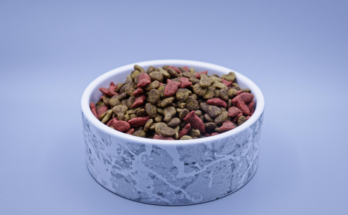
Choosing the right food for your cat is one of the most important parts of responsible pet care. A healthy diet can support strong muscles, healthy skin, a shiny coat, good digestion, and steady energy. However, with so many cat food products available, choosing the best option can sometimes feel confusing.
Every cat is different. A kitten has different nutritional needs from an adult cat. An active outdoor cat may need a different amount of food than a calm indoor cat. Older cats may also require special dietary attention. Your cat’s health, age, activity level, body condition, and personal preferences should all be considered when selecting cat food.
This guide explains how to choose the right food for your cat, what to look for on a cat food label, how to select food according to age and lifestyle, and which common feeding mistakes you should avoid.
Understand Your Cat’s Nutritional Needs
Cats are obligate carnivores. This means their bodies are designed to obtain important nutrients from animal based foods. Protein is particularly important because it helps maintain muscles and supports normal body functions.
A balanced cat diet should provide protein, fats, vitamins, minerals, and other essential nutrients. Cats also require certain nutrients that are naturally associated with animal tissues.
When choosing cat food, do not focus only on the words printed on the front of the package. Terms such as premium, natural, or healthy may sound attractive, but they do not tell you everything about the nutritional value of the food.
Instead, look at the complete product information and feeding guidance. The goal is to choose a food that provides complete and balanced nutrition appropriate for your cat’s life stage.
Choose Food According to Your Cat’s Age
Age is one of the first things to consider when choosing cat food. Nutritional requirements change throughout a cat’s life.
Food for Kittens
Kittens grow rapidly during their first year. They need enough calories, protein, and other nutrients to support healthy development.
Kitten food is generally formulated to provide the higher nutritional needs associated with growth. Young kittens may also need several smaller meals during the day because their stomachs are relatively small.
If you have a very young kitten, follow feeding recommendations from your veterinarian, especially if the kitten has recently been separated from its mother.
Food for Adult Cats
Adult cats usually need food designed for maintenance rather than rapid growth. The correct amount depends on factors such as body size, activity level, and whether the cat lives indoors or outdoors.
Feeding too much can gradually lead to excess weight. For this reason, measuring portions can be more useful than simply filling the bowl whenever it looks empty.
Food for Senior Cats
Older cats may experience changes in activity, appetite, digestion, and overall health. Some senior cats remain active and healthy, while others develop conditions that require specific nutritional management.
There is no single diet that is perfect for every senior cat. If your older cat has a health condition or noticeable changes in appetite or weight, speak with a veterinarian before making major dietary changes.
Look for High Quality Protein
Protein is an important part of a cat’s diet. When comparing different cat foods, check the ingredient list and nutritional information rather than relying only on advertising claims.
Animal based protein sources can be useful in a cat’s diet because cats naturally depend on nutrients found in animal tissues. Ingredients may include chicken, turkey, beef, fish, or other animal sources.
However, one ingredient should not be judged in isolation. A complete cat food is designed to provide a combination of nutrients rather than simply one high protein ingredient.
The overall nutritional profile matters more than choosing a product because a single ingredient appears first on the label.
Understand the Cat Food Label
Reading a cat food label is an important skill for every cat owner. The package can provide information about ingredients, nutritional content, feeding instructions, and the intended life stage.
Start by checking whether the food is intended to provide complete and balanced nutrition for your cat’s particular life stage.
Next, look at the guaranteed analysis. This commonly provides information about crude protein, crude fat, crude fiber, and moisture.
Remember that dry and wet foods contain very different amounts of moisture, so comparing percentages directly can sometimes be misleading. A higher protein percentage on a dry food label does not automatically mean it provides more protein in the same way as a wet food with a lower listed percentage.
Learning to read the label can help you make decisions based on nutritional information rather than packaging claims.
Decide Between Wet Food and Dry Food
Both wet and dry cat food can be useful options when they provide complete and balanced nutrition.
Dry food is convenient, easy to store, and simple to measure. Many owners also find it practical for regular feeding.
Wet food contains much more moisture than dry food. This can be useful because cats naturally have a relatively low thirst drive compared with many other animals.
Some cats enjoy a combination of wet and dry food. A mixed feeding routine can provide variety while allowing owners to benefit from the convenience of dry food and the higher moisture content of wet food.
The most important consideration is that the overall diet meets your cat’s nutritional needs and that portions are appropriate.
Consider Your Cat’s Activity Level
Your cat’s lifestyle can affect how much food it needs.
An active outdoor cat may use more energy than an indoor cat that spends most of the day sleeping. However, outdoor activity also varies greatly between individual cats.
Indoor cats can become overweight when they receive more calories than they use. This is especially common when treats, table food, and freely available dry food are added to regular meals.
Watch your cat’s body condition rather than assuming that every cat of the same weight needs the same amount of food.
If you are unsure about the correct portion, ask your veterinarian for guidance based on your cat’s age, weight, activity, and body condition.
Choose Food for Your Cat’s Body Condition
Body weight is another important factor when choosing cat food.
A cat that is underweight may need a different feeding approach from a cat that is carrying excess weight. Simply giving more food is not always the correct solution for an underweight cat because unexplained weight loss can sometimes be related to an underlying health problem.
Similarly, reducing food dramatically for an overweight cat may not be appropriate without professional guidance.
A healthy body condition generally means that the cat has an appropriate amount of body fat while maintaining normal muscle.
Regularly checking your cat’s weight and body condition can help you notice changes early.
Think About Special Dietary Needs
Some cats need diets designed around specific health conditions. These may include urinary problems, food allergies, digestive disorders, kidney disease, diabetes, or other medical conditions.
If your veterinarian recommends a therapeutic diet, follow the feeding instructions carefully. Prescription diets are formulated for particular nutritional purposes and should not be replaced casually with ordinary cat food.
If your cat has repeated vomiting, diarrhea, unusual thirst, frequent urination, sudden weight loss, or a major change in appetite, consult a veterinarian rather than trying to solve the problem only by changing food.
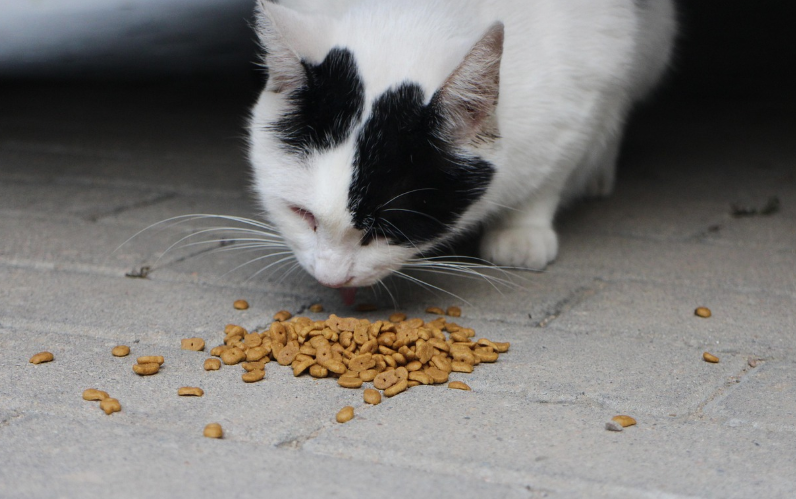
Be Careful With Cat Food Allergies
Food allergies can occur in cats, although not every digestive or skin problem is caused by food.
A cat with a suspected food allergy may show signs such as persistent itching, skin problems, or digestive symptoms. These signs can also have many other causes.
If an allergy is suspected, a veterinarian may recommend a controlled dietary trial. During such a trial, treats and other foods may need to be avoided so the results are meaningful.
Do not repeatedly change foods without a plan. Frequent changes can make it difficult to identify what is actually causing a problem.
Consider Your Cat’s Personal Preferences
Nutrition is important, but your cat also needs to accept the food.
Some cats prefer wet food, while others strongly prefer dry food. Some enjoy certain textures and flavors but refuse others.
If you need to change your cat’s diet, introducing the new food gradually may make the transition easier. Sudden changes can cause digestive upset in some cats.
A gradual transition allows your cat to become familiar with the new taste and texture while reducing the chance of stomach problems.
If your cat refuses a new food, do not assume that it is simply being difficult. Cats can have strong food preferences, and some changes may require patience.
Check the Feeding Instructions
Cat food packages usually include feeding recommendations. These recommendations provide a useful starting point, but they are not perfect for every individual cat.
Two cats of the same weight can have different calorie needs because their activity levels and metabolism may differ.
Measure food rather than estimating portions by eye. A measuring cup can help, although a kitchen scale may provide even greater accuracy when precise portions are needed.
Monitor your cat’s weight and body condition over time and adjust feeding amounts with professional guidance when necessary.
Do Not Forget Fresh Water
Food is only one part of proper feline nutrition. Fresh drinking water should always be available.
Some cats prefer wide bowls, while others like running water from a pet fountain. You can observe your cat and see which setup encourages comfortable drinking.
Wet food also provides a significant amount of water because of its high moisture content. However, cats should still have access to fresh drinking water throughout the day.
Clean water bowls regularly and replace stale water with fresh water.
Treats Should Be Limited
Treats can be useful for bonding, training, and rewarding good behavior, but they should not replace a balanced diet.
It is easy to underestimate the calories in treats. If a cat receives several treats every day in addition to regular meals, those extra calories can contribute to weight gain.
Choose appropriate cat treats and keep them as a small part of the overall diet.
Human foods should also be offered carefully. Some foods that are safe for people can be harmful to cats. If you are uncertain about a particular food, avoid giving it until you have confirmed that it is safe.
Avoid Making Decisions Only From Price
Price is an important consideration for many cat owners, but the cheapest food is not always the most suitable choice.
At the same time, a higher price does not automatically mean that a product is nutritionally superior.
Instead of choosing food based only on cost or packaging, consider the nutritional adequacy, ingredients, feeding recommendations, your cat’s health needs, and how well your cat maintains a healthy body condition while eating it.
The right food is one that provides appropriate nutrition and works well for your individual cat.
Change Food Slowly
If you decide to switch your cat to another food, make the transition gradually.
You can begin by mixing a small amount of the new food with the current food. Over several days, gradually increase the proportion of the new food while reducing the old food.
The exact transition period can vary depending on the cat and the reason for changing diets.
Watch for vomiting, diarrhea, refusal to eat, or other unusual symptoms during the transition. If problems continue, contact your veterinarian.
Watch Your Cat After Choosing a New Food
Choosing the right cat food does not end when you purchase the package. You should continue observing your cat.
Pay attention to appetite, weight, energy, stool quality, coat condition, and general behavior.
A cat that maintains a healthy weight, eats comfortably, has normal digestion, and remains active may be doing well on its current diet.
However, changes should not be ignored. If your cat suddenly stops eating or develops significant digestive problems, seek veterinary advice.
Common Mistakes Cat Owners Should Avoid
One common mistake is feeding the same amount of food regardless of changes in weight or activity.
Another mistake is giving too many treats. Small treats may seem harmless, but frequent treats can add considerable calories over time.
Some owners also change foods too frequently. Unless there is a good reason, constant diet changes may make it difficult to identify which food suits the cat.
Another mistake is choosing food based entirely on attractive packaging. Marketing language can make a product appear impressive, but nutritional information is more useful when making a feeding decision.
Finally, some owners forget to consider water intake. Hydration is an important part of feline health.
When Should You Ask a Veterinarian?
A veterinarian can help you choose an appropriate diet when your cat has special nutritional needs.
Professional advice is particularly useful if your cat is overweight, underweight, very young, elderly, pregnant, nursing, or has a diagnosed health condition.
You should also seek veterinary advice if your cat experiences unexplained weight changes, persistent vomiting, ongoing diarrhea, loss of appetite, excessive thirst, or other unusual symptoms.
A veterinarian can assess your cat as an individual instead of recommending a diet based only on age or weight.
Final Thoughts
Choosing the right food for your cat does not have to be complicated. Start with your cat’s age, health, activity level, body condition, and individual needs. Then look for a complete and balanced food that is appropriate for the correct life stage.
Read the label carefully, pay attention to feeding portions, provide fresh water, and keep treats limited. If you need to change your cat’s food, make the transition gradually and watch how your cat responds.
Most importantly, remember that there is no single cat food that is perfect for every cat. The best approach is to choose a nutritionally appropriate diet that suits your cat and then monitor their health over time.
With careful feeding and regular veterinary care, you can give your cat a strong nutritional foundation for a healthy and comfortable life.