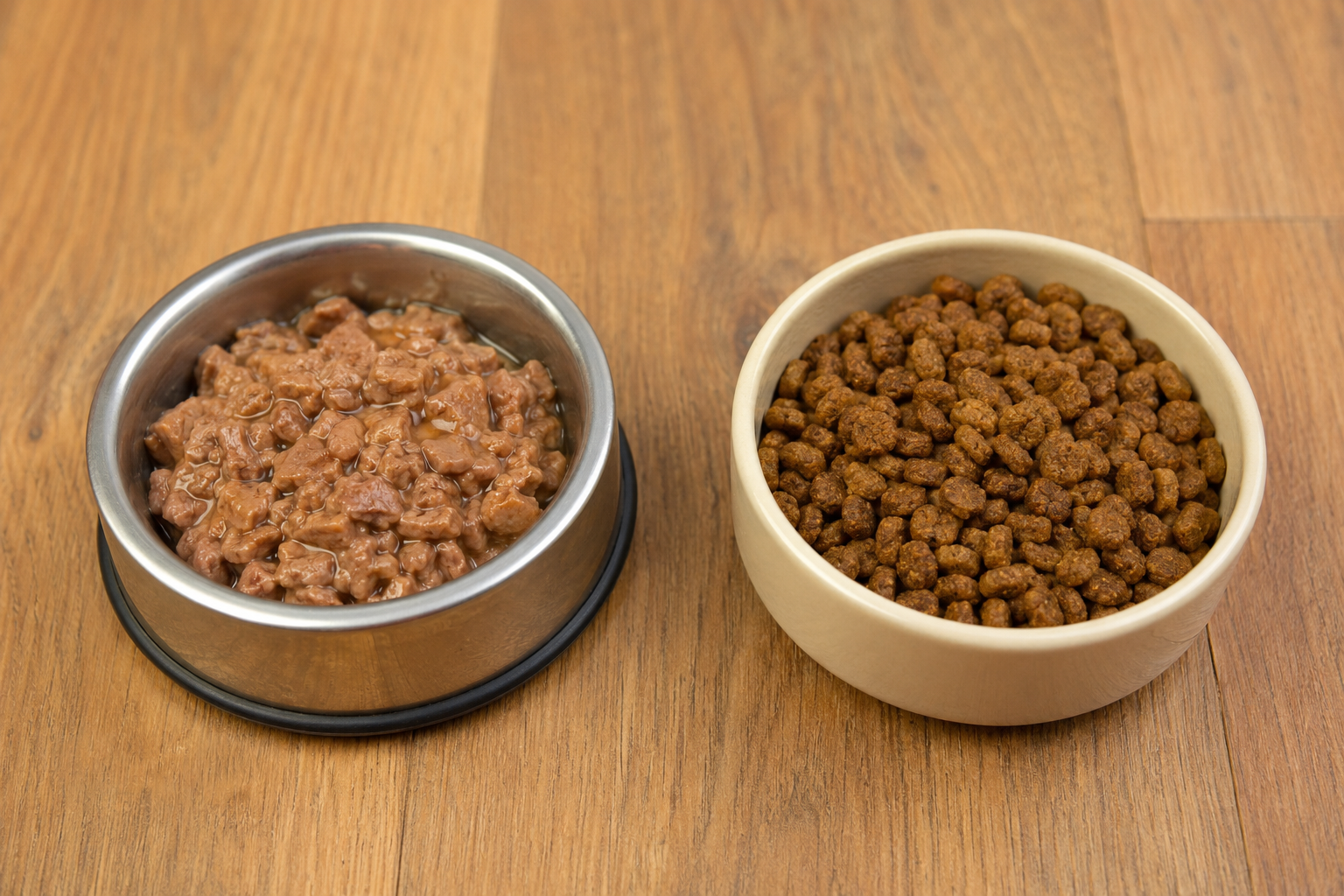
Choosing the right food for your cat is one of the most important decisions you can make as a pet owner. A healthy diet supports strong muscles, good digestion, healthy skin, a shiny coat, and overall energy. When shopping for cat food, one common question many cat owners ask is whether wet cat food or dry cat food is the better choice.
Both types of cat food can provide important nutrients when they are properly formulated and suitable for your cat’s age and lifestyle. However, wet cat food and dry cat food have different benefits, textures, moisture levels, feeding methods, and storage requirements. Understanding these differences can help you choose the best cat food for your pet.
What Is Wet Cat Food?
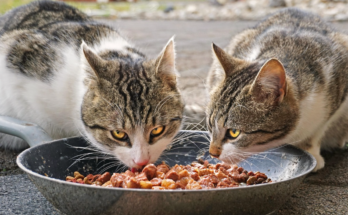
Wet cat food contains a high amount of moisture and is usually sold in cans, trays, or pouches. It commonly has a soft texture and may be available as pate, chunks, flakes, or pieces covered in gravy.
One of the biggest benefits of wet cat food is its high moisture content. Cats naturally do not always drink enough water, so food with extra moisture can help support proper hydration. This can be especially useful for cats that prefer getting water from their food rather than drinking from a bowl.
Wet cat food is also often appealing to cats because of its strong smell and soft texture. Cats that are picky eaters may find wet food more attractive than dry food.
What Is Dry Cat Food?
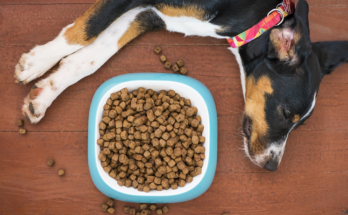
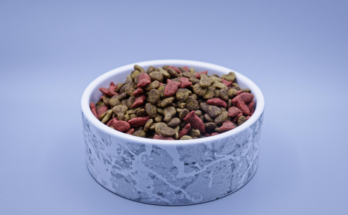
Dry cat food is made by combining different ingredients and cooking them into small pieces called kibble. It contains much less moisture than wet cat food and can be stored easily for longer periods after opening.
One major advantage of dry cat food is convenience. It is simple to measure, store, and serve. Many cat owners also find it easier to use when they have a busy daily routine.
Dry cat food can also be useful for cats that like to eat small amounts throughout the day. Some cats naturally prefer several small meals instead of eating one large meal.
Wet Cat Food vs Dry Cat Food: Moisture Content
The moisture difference is one of the most important factors when comparing wet cat food vs dry cat food.
Wet cat food contains a large amount of water, which can contribute to your cat’s daily fluid intake. Proper hydration is important for normal body functions and supports the health of the urinary system.
Dry cat food contains significantly less moisture. Cats eating mostly dry food should have access to clean and fresh drinking water at all times.
This does not mean that dry food is automatically unhealthy. A complete and balanced dry cat food can provide the nutrients your cat needs. However, wet food offers an additional source of moisture that dry food does not provide in the same way.
Nutritional Differences Between Wet and Dry Cat Food
Both wet and dry cat food can be nutritious if they are made with appropriate ingredients and meet the nutritional needs of cats.
Cats are obligate carnivores, which means they require nutrients that naturally come from animal based foods. A good cat food should provide essential nutrients such as protein, fats, vitamins, minerals, and amino acids.
Wet cat food often contains a high percentage of animal based ingredients and has more moisture. Dry cat food can also contain quality sources of animal protein, but its nutritional concentration may look different because it contains much less water.
When comparing cat foods, it is important not to judge quality only by the ingredient list. Look for food that is labeled as complete and balanced for your cat’s life stage.
Which Food Is Better for Weight Management?
Weight management is another important consideration when choosing cat food.
Wet cat food contains more water, which means it generally has fewer calories per gram than dry food. A cat may be able to eat a larger physical portion of wet food while consuming fewer calories.
Dry cat food is more calorie dense because most of the water has been removed. This makes it easy to provide too many calories if portions are not measured carefully.
For cats that need help managing their weight, portion control is extremely important regardless of whether you choose wet food, dry food, or a combination of both.
Wet Cat Food for Picky Eaters
Some cats can be very selective about their food. They may refuse a particular flavor, texture, or brand.
Wet cat food can be a good option for picky eaters because it often has a stronger aroma and a softer texture. Different varieties may include pate, gravy, chunks, or shredded meat, giving owners several options to try.
However, every cat has individual preferences. Some cats may prefer dry kibble and refuse wet food. The best choice is often the food your cat enjoys while still meeting its nutritional requirements.
Benefits of Dry Cat Food
Dry cat food has several practical benefits for both cats and their owners.
First, it is easy to store. Once opened, a properly stored bag of dry food can be convenient for daily feeding. It is also easy to measure into a bowl or automatic feeder.
Dry food can also be useful for cats that prefer grazing throughout the day. Some cats enjoy eating small portions at different times rather than finishing a meal immediately.
Another benefit is convenience for owners. Dry cat food is generally easier to transport and less messy than wet food.
Although dry kibble is sometimes associated with dental benefits, ordinary dry food should not be considered a replacement for proper dental care. Cats still need appropriate dental hygiene and regular veterinary attention.
Benefits of Wet Cat Food
Wet cat food also offers several advantages.
The most obvious benefit is moisture. Since many cats have a naturally low thirst drive, food with high water content can help increase their overall fluid intake.
Wet food may also be easier for some cats to eat. Older cats or cats with certain mouth or dental problems may find soft food more comfortable than hard kibble. If your cat has difficulty eating, however, it is best to discuss the problem with a veterinarian.
Wet cat food can also make meals more interesting because it comes in many flavors, textures, and recipes.
Is Feeding Both Wet and Dry Cat Food a Good Idea?
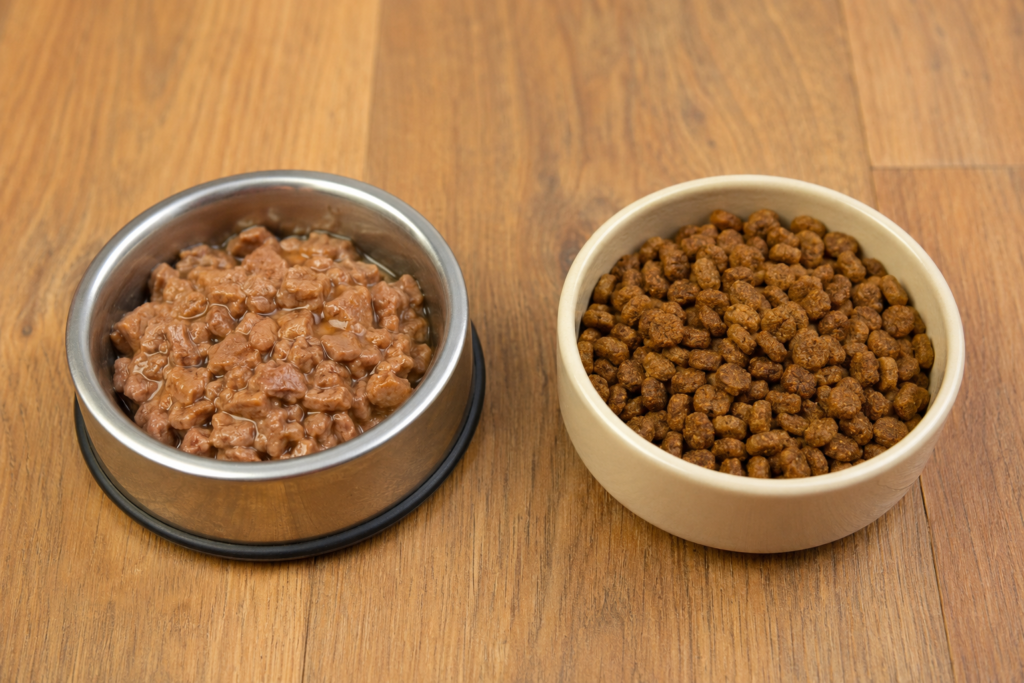
For many cats, a combination of wet and dry cat food can be a practical choice.
Mixed feeding allows owners to provide the moisture and texture benefits of wet food while also enjoying the convenience of dry kibble. For example, a cat might receive wet food during one meal and measured dry food during another.
The important point is to consider the total daily calorie intake. Adding wet food on top of a full portion of dry food can lead to excessive calorie consumption.
If you combine different foods, adjust portions so your cat receives an appropriate amount of food each day.
Consider Your Cat’s Age and Lifestyle
Your cat’s individual needs should influence your choice of food.
Kittens need food designed to support rapid growth and development. Adult cats need nutrition that supports healthy body weight and normal daily activity. Senior cats may have different nutritional needs depending on their health and lifestyle.
Activity level also matters. An active cat may require more calories than a less active indoor cat. Spayed and neutered cats can also have different calorie needs.
Instead of choosing cat food only because it is popular, consider your cat’s age, activity level, body condition, preferences, and nutritional requirements.
How to Choose the Best Cat Food
When choosing between wet cat food and dry cat food, start by checking the nutritional information on the package. Choose a product that is complete and balanced for your cat’s specific life stage.
Consider the quality of protein and other nutrients provided by the food. Make sure you follow feeding guidelines and adjust portions according to your cat’s body condition and activity level.
You should also consider your cat’s preferences. If your cat strongly prefers wet food, there may be little reason to force a dry food diet if the wet food provides complete nutrition. Similarly, if your cat prefers dry food, a quality dry formula can be a convenient choice.
Fresh water should always be available, especially when feeding mostly dry cat food.
Final Thoughts on Wet Cat Food vs Dry Cat Food
There is no single answer to the question of whether wet cat food or dry cat food is better. Both can be healthy choices when they provide complete and balanced nutrition and are fed in appropriate portions.
Wet cat food offers high moisture content and can be appealing to picky eaters, while dry cat food provides convenience, easy storage, and simple portioning. For many cats, a combination of wet and dry food can provide a useful balance.
The most important thing is to choose cat food based on your pet’s nutritional needs, age, lifestyle, body condition, and personal preferences. Pay attention to portion sizes and always provide access to fresh water.
If you are unsure which diet is best for your cat, especially if your pet has a medical condition or changing eating habits, speak with a veterinarian. With the right nutrition and regular care, you can help your cat maintain a healthy weight, strong body, and active life for years to come.