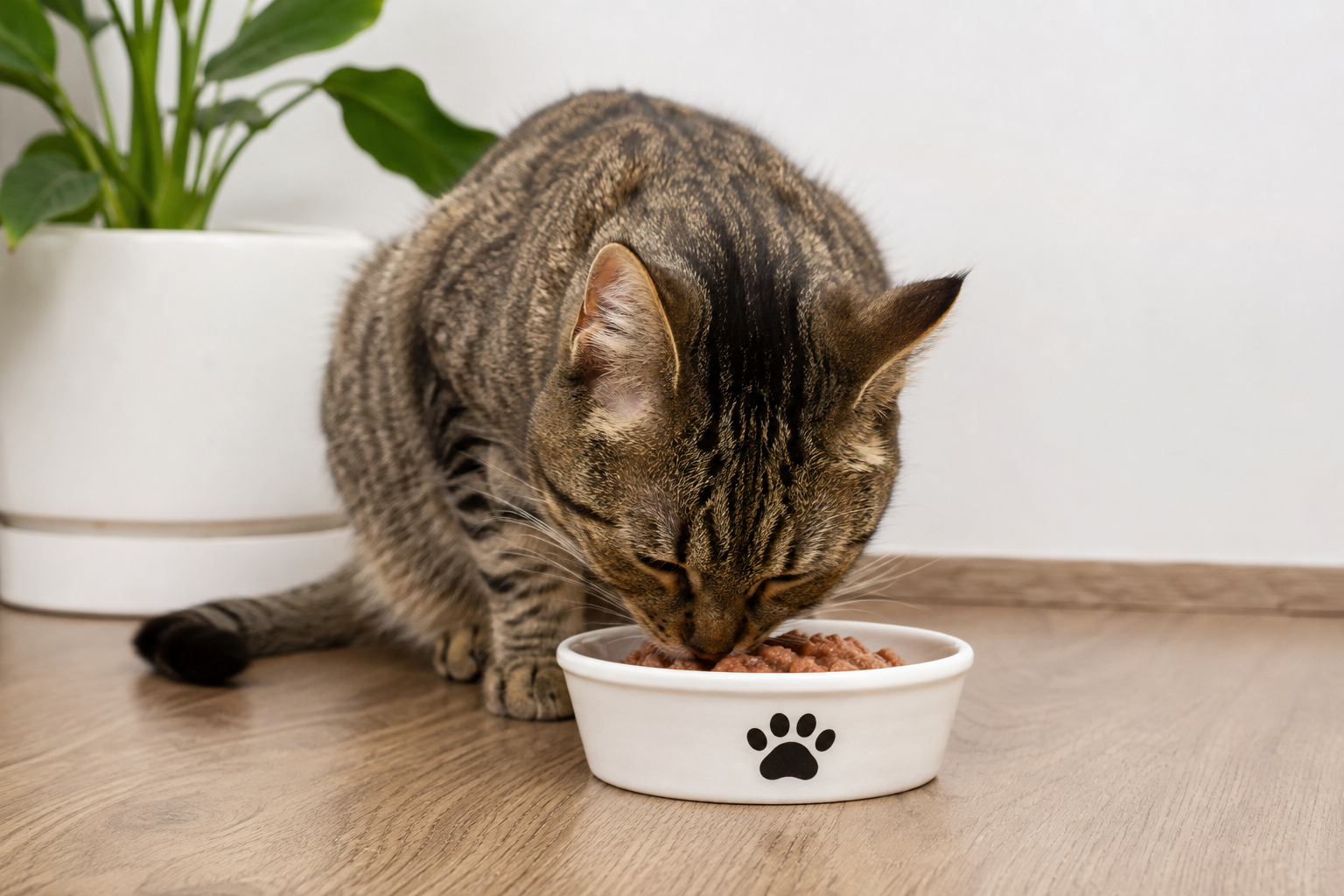
Protein is one of the most important nutrients in a cat’s diet. Cats need protein every day because their bodies are naturally designed to use animal based nutrients for energy, growth, repair, and overall health. Unlike many other animals, cats are obligate carnivores, which means they have a strong biological need for nutrients found in animal tissues. Choosing the right cat food with enough high quality protein can help support strong muscles, healthy organs, a good immune system, and a healthy lifestyle.
Many cat owners focus on the flavor, price, or brand of cat food, but the nutritional value should always be an important part of the decision. Understanding the importance of protein in a cat’s diet can help owners make better choices and provide their pets with balanced and nutritious meals.
Why Protein Is Important for Cats
Protein is made from amino acids that the body uses for many essential functions. Cats need amino acids to build and maintain muscles, skin, hair, organs, and other body tissues. Protein also helps the body produce important enzymes and hormones that support normal body functions.
A cat that receives enough quality protein can maintain better muscle condition and physical strength. Protein is especially important for kittens because their bodies are growing quickly. Adult cats also need protein to maintain their muscles and support daily activity.
As cats become older, maintaining muscle mass becomes even more important. Senior cats can naturally lose muscle as they age, so providing appropriate nutrition with adequate protein can help support their body condition.
Protein Supports Healthy Muscle Growth
One of the main benefits of protein for cats is its role in muscle development and maintenance. Cats use amino acids from protein to build and repair muscle tissue. Active cats need strong muscles for running, jumping, climbing, and playing.
Kittens require protein for healthy growth and development. During the early stages of life, their bodies are developing rapidly, so their food needs to provide sufficient nutrients to support this process.
Adult cats also need protein every day. Even if a cat spends most of its time indoors, it still uses muscles when walking, playing, climbing, and moving around the home. A balanced diet can help maintain healthy muscles throughout adulthood.
Protein Provides Energy
Cats can use protein as a source of energy. While fats are also an important energy source, cats have a natural ability to use protein for energy as part of their normal metabolism.
This is one reason why protein is so important in cat nutrition. A diet that provides appropriate amounts of quality protein can help support normal energy needs while also supplying amino acids for other important functions.
However, this does not mean that cats should eat only protein. A complete cat food should provide a balanced combination of protein, fats, vitamins, minerals, and other essential nutrients.
Protein Helps Support a Healthy Immune System
A healthy immune system is important for every cat. The body needs protein and amino acids to produce many substances involved in immune function.
When a cat receives balanced nutrition, its body has the nutrients it needs to maintain normal immune activity. Good nutrition can also support the body’s ability to repair tissues and maintain healthy cells.
This is particularly important for kittens, active adult cats, and older cats because their nutritional needs can vary with age and lifestyle.
Protein Supports Healthy Skin and Coat
A cat’s skin and coat can provide visible clues about its overall nutrition. Protein is important for the growth and maintenance of hair and skin because these tissues contain protein based structures.
Cats that receive a balanced diet with enough quality protein can support normal hair growth and healthy skin. A shiny coat and healthy skin are often associated with good general nutrition, although many other factors can also affect a cat’s coat condition.
Regular grooming, hydration, parasite control, and proper veterinary care are also important for maintaining healthy skin and fur.
Animal Protein and Cat Nutrition
Cats are naturally adapted to obtain many essential nutrients from animal sources. Animal based proteins can provide amino acids that cats need for normal health.
When choosing cat food, owners should look for products that are formulated specifically for cats and provide complete and balanced nutrition. The ingredient list can provide useful information, but it is also important to consider the nutritional adequacy of the entire food rather than focusing on one ingredient alone.
Chicken, turkey, beef, fish, and other animal ingredients are commonly used in commercial cat foods. Different cats may have different preferences and dietary needs, so the best food can vary from one cat to another.
Essential Amino Acids for Cats
Protein quality is not only about the total amount of protein. Cats also need specific amino acids that their bodies cannot produce in sufficient quantities on their own.
One well known example is taurine. Taurine is an essential nutrient for cats and plays an important role in normal heart, eye, reproductive, and other body functions. Cats need to obtain taurine from their diet.
Other amino acids are also important for normal feline health. This is why feeding a complete and balanced commercial cat food can be helpful. Properly formulated cat foods are designed to provide the nutrients cats need in appropriate amounts.
Protein Needs of Kittens
Kittens have different nutritional needs compared with adult cats. Their bodies are growing quickly, and they need sufficient protein and other nutrients to support healthy development.
Kitten food is usually formulated to provide the additional nutrition required during growth. Feeding a kitten food designed for its life stage can help provide appropriate levels of protein, energy, vitamins, and minerals.
Kittens should not simply be fed any adult cat food without considering their specific nutritional requirements. Choosing food labeled for kittens or growth can be a better approach for young cats.
Protein Needs of Adult Cats
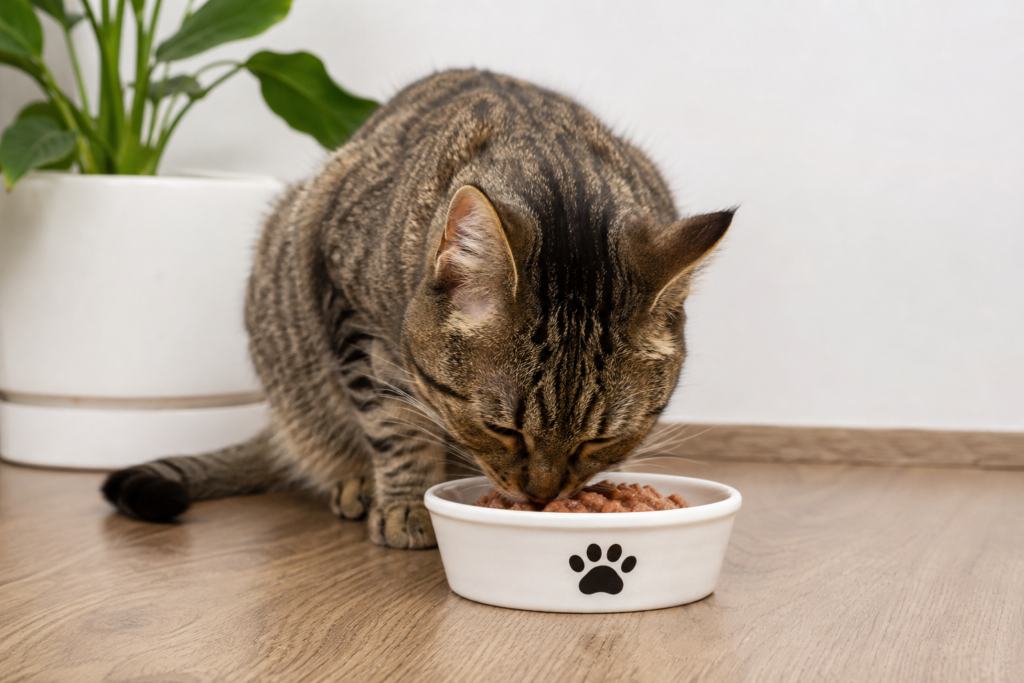
Adult cats need protein to maintain their muscles and support normal daily functions. Their nutritional needs can depend on age, activity level, body condition, and overall health.
Indoor cats may be less active than outdoor cats, but they still need a complete and balanced diet. Feeding the correct portion is also important because too many calories can lead to weight gain.
Cat owners should follow the feeding guidance on the food package and adjust portions based on their cat’s individual needs. A veterinarian can provide more specific advice when a cat has special dietary requirements.
Protein for Senior Cats
Older cats may experience changes in muscle mass, activity, digestion, and overall health. Protein remains important for maintaining body tissues as cats age.
Some older cats may benefit from diets designed specifically for their life stage. However, senior cats do not all have the same nutritional needs. Certain health conditions may require a veterinarian recommended diet with specific nutrient levels.
Owners should avoid making major dietary changes for an older cat without considering its health and discussing the change with a veterinary professional when necessary.
How to Choose High Quality Cat Food
Choosing the right cat food can feel confusing because there are many products available. Start by looking for food that is complete and balanced for the cat’s specific life stage.
Check the nutritional information and look for an appropriate source of protein. Foods made with animal ingredients can be a useful choice because cats naturally depend on nutrients from animal tissues.
It is also important to choose food from a reliable manufacturer that follows appropriate quality and safety standards. Wet food, dry food, or a combination of both can be used depending on the cat’s needs and preferences.
Water should always be available, especially when feeding mostly dry food.
Can Cats Eat Too Much Protein?
Protein is essential, but more is not always better. Cats need a balanced diet rather than extremely high levels of one nutrient.
Healthy cats can generally process dietary protein efficiently, but cats with certain medical conditions may need specific dietary management. For example, a cat with kidney disease may require individualized nutritional advice from a veterinarian.
This is why owners should avoid creating high protein diets at home without professional guidance. Homemade diets can easily become unbalanced if essential vitamins, minerals, amino acids, or other nutrients are missing.
Final Thoughts
The importance of protein in a cat’s diet should not be overlooked. Protein helps support muscle growth, tissue repair, energy production, immune function, healthy skin, and a strong coat. Cats have specific nutritional needs because they are obligate carnivores, making appropriate animal based nutrition an important part of their diet.
Kittens, adult cats, and senior cats can have different nutritional requirements, so choosing food that matches a cat’s life stage is important. A complete and balanced cat food with appropriate protein and essential nutrients can help support long term health.
Every cat is different, and factors such as age, activity level, body condition, and health can influence its nutritional needs. If you are unsure about the best diet for your cat, speaking with a veterinarian can help you make a safe and informed choice. By paying attention to protein quality and overall nutritional balance, cat owners can give their pets a better foundation for a healthy and active life.