
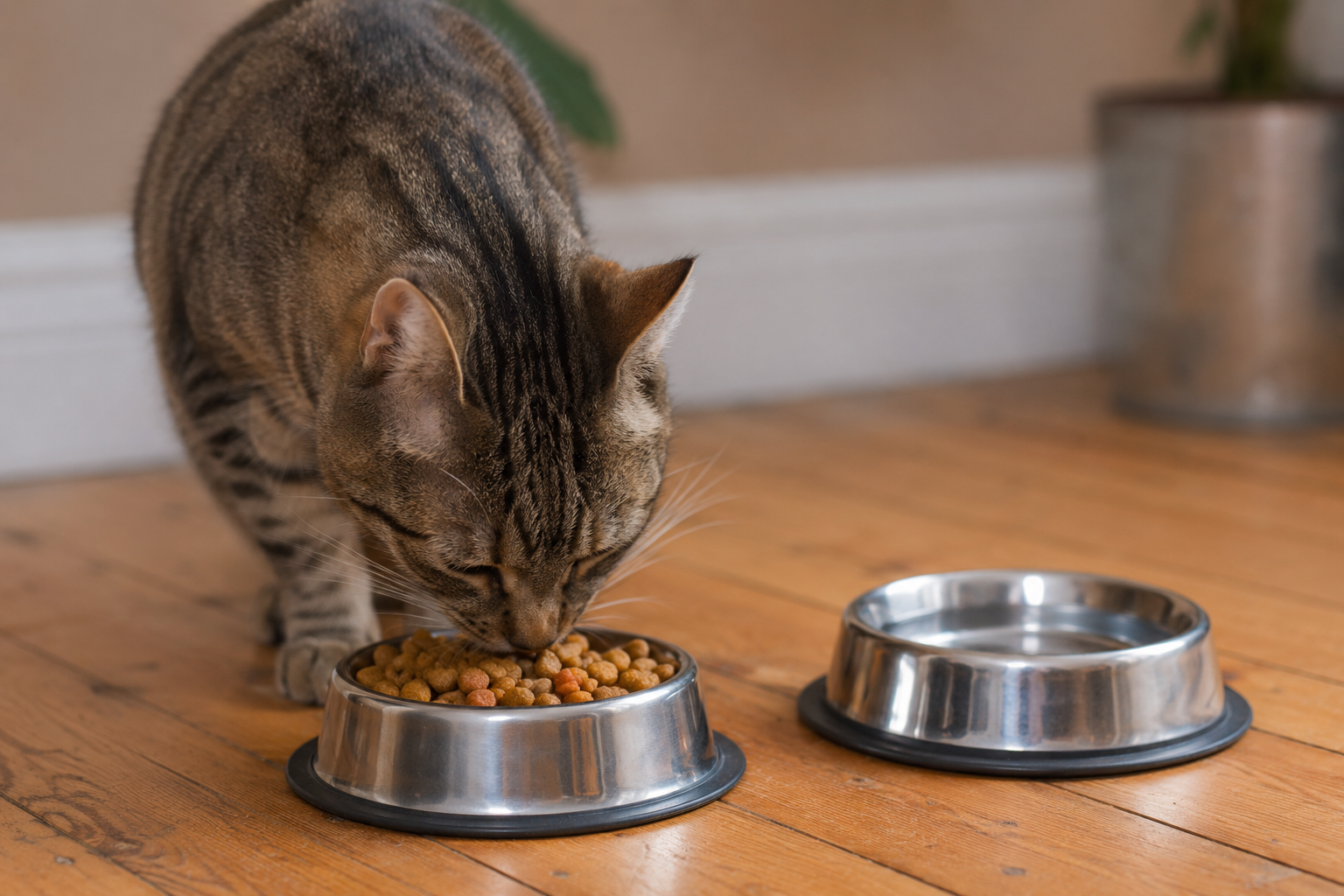
Feeding your cat properly is one of the most important parts of responsible pet care. Many cat owners wonder how often they should feed their cats and how much food they should provide at each meal. The right feeding schedule can help your cat maintain a healthy weight, support digestion, provide steady energy, and improve overall well being.
There is no single feeding schedule that works perfectly for every cat. A kitten has different nutritional needs than an adult cat, while senior cats may need a different routine because of age related changes. Your cat’s weight, activity level, health condition, food type, and lifestyle can all affect how often you should feed your cat.
How Often Should You Feed Your Cat
For most healthy adult cats, feeding two meals per day is a simple and practical routine. Many cats do well when their daily food is divided into breakfast and dinner. This schedule gives them regular access to nutrition without making it difficult for owners to manage feeding times.
Some cats may prefer smaller meals throughout the day. Cats naturally tend to eat small amounts at different times rather than consuming one very large meal. If your cat frequently begs for food between meals, dividing the daily amount into three or four smaller portions may be helpful.
The most important thing is not only how often you feed your cat but also how much food your cat receives throughout the entire day.
Feeding Kittens
Kittens need to eat more frequently than adult cats because they are growing quickly and require plenty of energy and nutrients. Young kittens generally benefit from several small meals each day.
A very young kitten may need food around three to four times daily. As the kitten grows, the number of meals can gradually decrease. Kitten food is specially formulated to provide the extra calories, protein, vitamins, and minerals needed for healthy development.
It is important to choose a complete and balanced kitten food rather than feeding a growing kitten ordinary adult cat food. Kittens have different nutritional requirements, especially during the first year of life.
Always follow the feeding recommendations on the food package and consider advice from a veterinarian if you are unsure about your kitten’s nutritional needs.
Feeding Adult Cats
Adult cats usually have more stable nutritional needs than kittens. Feeding an adult cat twice a day is suitable for many households. You can provide one meal in the morning and another in the evening.
However, some cats may do better with smaller portions given three or more times during the day. This can be especially useful for cats that eat too quickly or constantly seem hungry.
When feeding your adult cat, measure the daily amount of food rather than filling the bowl without checking the quantity. Overfeeding is a common reason cats gain excess weight.
If you use treats, remember that treats also contribute calories. The amount of regular cat food may need to be adjusted when your cat receives treats regularly.
Feeding Senior Cats
Senior cats may require a slightly different feeding routine depending on their health and activity level. Older cats can experience changes in appetite, digestion, dental health, and metabolism.
Some senior cats continue to do well with two meals per day, while others may benefit from smaller meals more frequently. Wet cat food can also be useful for some older cats because it has a high moisture content and may be easier to eat.
If an older cat suddenly starts eating much more or much less than normal, this should not simply be considered a normal part of aging. A significant change in appetite can sometimes indicate an underlying health problem. In such situations, speaking with a veterinarian is a good idea.
Wet Food vs Dry Food Feeding Schedule
The type of food you choose can also influence your cat’s feeding routine. Wet cat food contains a significant amount of moisture and can be divided into meals throughout the day. Because it can spoil after being left out for a long period, it is usually better to provide wet food at specific meal times and remove leftovers according to food safety recommendations.
Dry cat food is easier to store and can remain available for longer periods. Some owners choose free feeding, where dry food is left out for the cat to eat throughout the day. However, free feeding can make it difficult to know exactly how much your cat is consuming.
For cats that gain weight easily, measured meals are often a better choice than unlimited access to food.
Should You Free Feed Your Cat
Free feeding may seem convenient, but it is not ideal for every cat. Some cats can control their intake and eat small amounts throughout the day. Other cats may continue eating whenever food is available.
If your cat eats too much, free feeding can contribute to weight gain. Obesity can affect a cat’s quality of life and may increase the risk of various health problems.
Instead of keeping a full bowl available all day, consider measuring your cat’s daily food portion. You can divide that portion into two or more meals depending on your cat’s needs.
Automatic feeders can also be useful for owners who are away from home during normal feeding times. They can provide controlled portions at scheduled times and help maintain a consistent feeding routine.
How Much Food Should You Give Your Cat
How often should you feed your cat is only one part of the question. The amount of food is equally important.
The correct portion depends on factors such as your cat’s age, body weight, activity level, metabolism, and health. Cat food packaging usually provides feeding guidelines based on weight, but these recommendations are starting points rather than exact rules for every cat.
For example, an active cat may require more calories than a less active cat of the same weight. A cat that needs to lose weight may require carefully controlled portions.
It is helpful to monitor your cat’s body condition instead of focusing only on the number on the scale. Your cat should have a healthy body shape without excessive fat around the abdomen.
If you are unsure about the correct portion, ask your veterinarian for personalized feeding advice.
Signs You May Be Feeding Your Cat Too Much
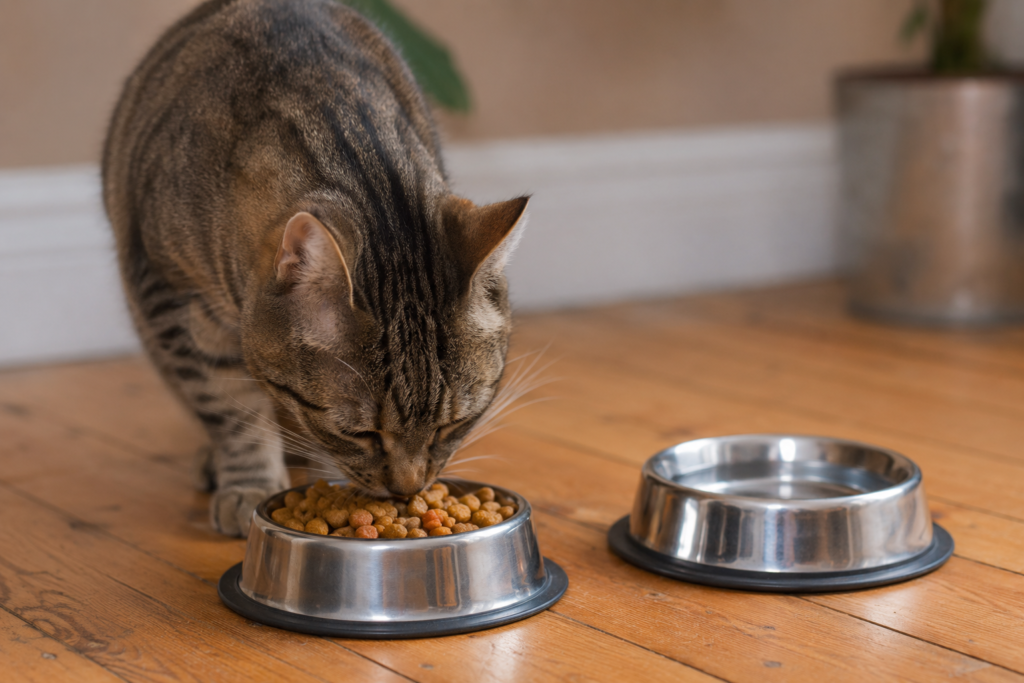
Overfeeding can happen gradually, especially when cats receive frequent treats in addition to regular meals.
Some common signs of excessive feeding include noticeable weight gain, reduced activity, difficulty grooming, and a visibly larger body shape.
If your cat is gaining weight, do not suddenly reduce food dramatically without professional guidance. A gradual and controlled approach is usually safer. Your veterinarian can help determine an appropriate calorie intake and feeding plan.
Remember that treats, table scraps, and other foods can add significant calories to your cat’s daily diet.
Signs Your Cat May Not Be Eating Enough
Not eating enough can also be a concern. If your cat regularly leaves most of its food untouched, loses weight, becomes weak, or shows a sudden change in appetite, pay attention to these changes.
Cats can sometimes hide signs of illness, so a major change in eating habits should not be ignored. Dental problems, digestive issues, stress, and other health concerns can affect appetite.
If your cat refuses food or has a sudden and significant appetite change, contact a veterinarian for advice.
Creating a Consistent Cat Feeding Schedule
Cats often feel comfortable with predictable routines. Feeding your cat at approximately the same times every day can help create a stable routine.
For example, you might feed your cat in the morning before starting your day and again in the evening. If your cat needs smaller meals, you can divide the daily portion into three or four feeding times.
Consistency can also help you notice changes in appetite. When you know how much your cat normally eats, it becomes easier to recognize when something is different.
Fresh drinking water should always be available. Cats can be naturally poor drinkers, so providing clean water in convenient locations can encourage better hydration.
Feeding Multiple Cats
If you have more than one cat, feeding can become slightly more complicated. Some cats eat quickly while others eat slowly. A dominant cat may also eat another cat’s food.
Separate feeding areas can help ensure that each cat receives the correct amount. Measured portions can also make it easier to monitor individual food intake.
If one cat needs a special diet, feeding cats separately becomes even more important. This prevents one cat from eating food intended for another.
Should You Feed Your Cat Before Bed
A small evening meal can be useful for cats that become hungry during the night. If your cat regularly wakes you because it wants food, dividing its daily food into several meals may help.
An automatic feeder can also provide a small measured portion later in the evening or during the night. However, the extra meal should come from the cat’s total daily food allowance rather than being added on top of the normal amount.
The Importance of Portion Control
Portion control is one of the easiest ways to support healthy weight management in cats. Measuring food with a proper measuring cup or kitchen scale can be more accurate than simply filling a bowl.
It is also important to avoid changing your cat’s food suddenly unless there is a specific reason. When changing diets, gradually introducing the new food can help reduce digestive problems.
Choose a complete and balanced cat food that is appropriate for your cat’s life stage and nutritional needs.
Final Thoughts
How often should you feed your cat depends on your cat’s age, health, activity level, food type, and individual needs. For many adult cats, two measured meals per day provide a simple and effective routine. Kittens generally need more frequent meals, while senior cats may benefit from smaller meals depending on their health.
The goal is to provide the right amount of complete and balanced nutrition while maintaining a healthy body weight. Regular meal times, proper portion control, fresh water, and careful observation can make a big difference in your cat’s health.
Every cat is different, so there is no universal feeding schedule. If your cat has special nutritional needs, unusual eating habits, or significant changes in weight or appetite, a veterinarian can help you create the most appropriate feeding plan.
By understanding your cat’s nutritional needs and maintaining a consistent feeding routine, you can support healthy growth, strong energy, good digestion, and a better quality of life for your feline companion.