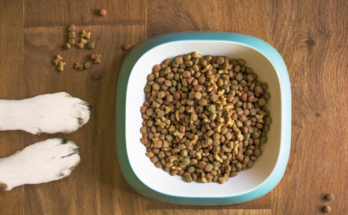
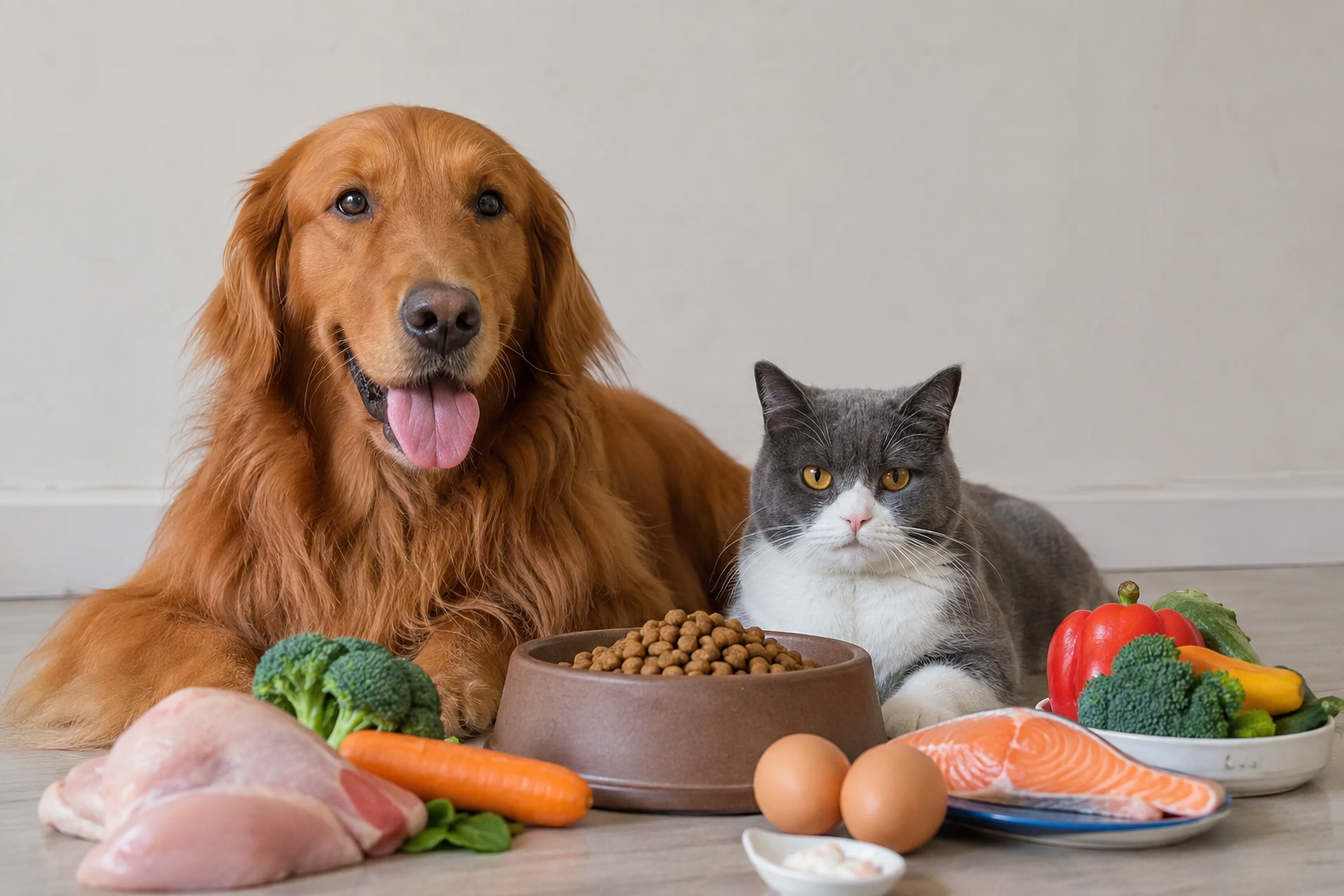
Pets are an important part of our families, and their health depends greatly on the food they eat every day. Just like humans, pets need a balanced diet to stay healthy, active, and happy. Providing proper nutrition can support strong muscles, healthy bones, a shiny coat, good digestion, and a strong immune system. Many pet owners focus on how much food their pets eat, but the quality and nutritional value of that food are equally important.
Balanced nutrition for pets means providing the right combination of proteins, fats, carbohydrates, vitamins, minerals, water, and other essential nutrients. Every pet has different nutritional needs depending on its age, size, breed, activity level, and overall health. Understanding these needs can help pet owners make better choices and support their pets throughout their lives.
What Is Balanced Nutrition for Pets?
Balanced nutrition means giving pets food that contains all the essential nutrients they need in appropriate amounts. A healthy pet diet should provide enough energy for daily activities while also supporting growth, body repair, and normal body functions.
Protein is one of the most important nutrients in pet food. It helps build and maintain muscles, tissues, skin, and organs. Pets also need healthy fats because fats provide energy and support healthy skin, fur, brain function, and the absorption of certain vitamins.
Carbohydrates can provide energy and dietary fiber. Fiber may also support healthy digestion. Vitamins and minerals are needed in smaller amounts, but they play important roles in bones, teeth, immunity, metabolism, and other body functions. Clean and fresh water is also an essential part of balanced pet nutrition.
Why Proper Nutrition Is Important for Pets
Good nutrition has a direct effect on the overall health of pets. When pets receive the nutrients they need, their bodies can function properly. A balanced diet can help support healthy growth, strong immunity, and normal energy levels.
Pets that eat nutritious food may have healthier skin and coats. Their digestion can also improve when their diet contains suitable ingredients and enough fiber. Proper nutrition can support strong bones and muscles, which is especially important for growing puppies and kittens as well as active adult pets.
A nutritious diet can also help pets maintain a healthy body weight. Both excessive weight and being underweight can create health concerns. Feeding the right amount of nutritious food can help pets stay closer to their ideal weight.
Balanced Nutrition Supports a Strong Immune System
The immune system protects pets from many health challenges. Proper nutrition gives the body the nutrients it needs to maintain normal immune function. Protein, vitamins, minerals, and healthy fats all have important roles in supporting the body’s natural defenses.
A diet that lacks essential nutrients may affect a pet’s overall condition. For this reason, pet owners should choose complete and balanced pet food instead of relying on foods that do not provide all necessary nutrients.
Good nutrition does not guarantee that a pet will never become sick, but it provides an important foundation for long term health.
Protein and Its Role in Pet Health
Protein is especially important for dogs and cats because it supports muscles, tissues, skin, and many important body functions. Growing pets often need more protein because their bodies are developing quickly.
High quality protein sources can help pets maintain healthy muscle mass. Active pets may also have greater nutritional needs because they use more energy during exercise and play.
When selecting pet food, owners should look for a product that provides an appropriate amount of quality protein for the animal’s life stage and nutritional needs. Cats, in particular, have specific nutritional requirements because they are obligate carnivores and depend on nutrients found naturally in animal based foods.
Healthy Fats Provide Energy
Fats are another important part of balanced pet nutrition. They are a concentrated source of energy and help pets stay active. Healthy fats can also support skin and coat health.
Certain fatty acids are important for normal brain and eye function. They may also support healthy skin and contribute to a soft and shiny coat.
However, too much fat can contribute to excessive calorie intake and weight gain. Therefore, the goal should be a balanced amount rather than simply adding more fat to a pet’s diet.
Vitamins and Minerals Are Essential
Vitamins and minerals may be needed in small amounts, but they are essential for many body processes. Calcium and phosphorus, for example, are important for bones and teeth. Other nutrients support metabolism, immunity, blood health, and normal organ function.
Pet owners should avoid giving vitamin or mineral supplements without a good reason. Excessive amounts of some nutrients can also cause problems. A complete commercial pet food that is designed to meet the nutritional needs of a particular life stage can often provide the necessary balance.
If a pet has a special nutritional requirement, a veterinarian can recommend an appropriate diet or supplement.
Water Is Part of a Healthy Diet
Many people think about food when they consider pet nutrition, but water is just as important. Fresh water should be available to pets every day.
Water helps regulate body temperature, supports digestion, transports nutrients, and assists many normal body functions. Pets can become dehydrated when they do not drink enough, especially during hot weather or periods of increased activity.
Wet pet food can provide additional moisture, but pets should still have access to clean drinking water at all times.
Nutrition for Different Life Stages
Pets do not have the same nutritional needs throughout their lives. Puppies and kittens need food that supports rapid growth and development. Their diets often require suitable levels of protein, energy, vitamins, and minerals.
Adult pets generally need food that helps them maintain healthy body condition and normal activity. Senior pets may have different nutritional needs depending on their age, activity level, and health condition.
Choosing food according to life stage can make it easier to provide appropriate nutrition. Pet owners should read food labels and follow feeding recommendations while adjusting portions according to their pet’s individual needs.
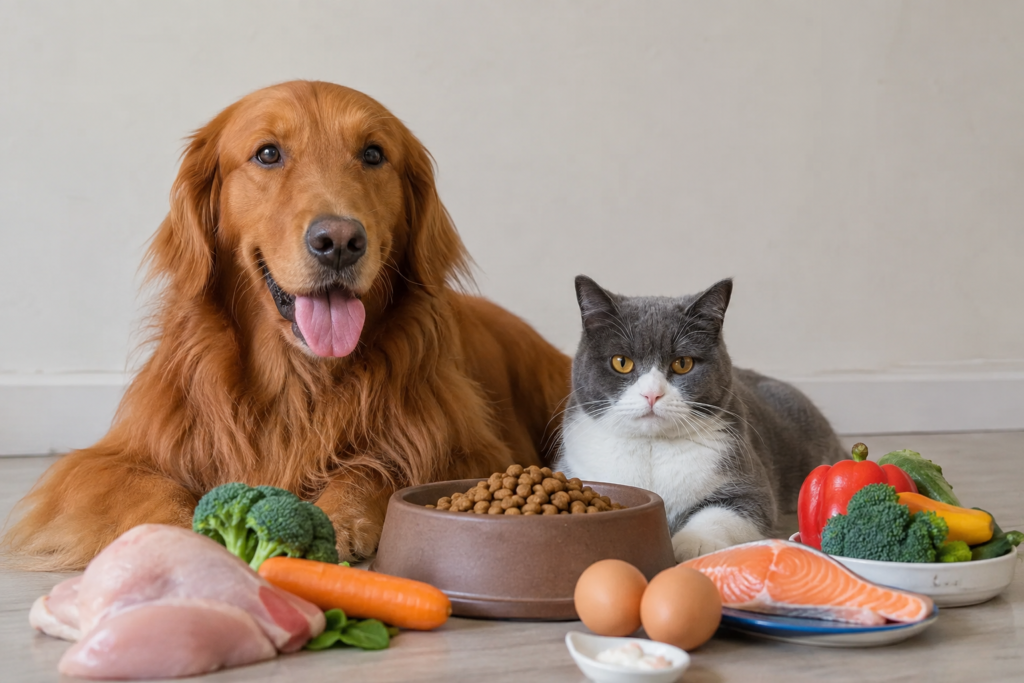
The Importance of Healthy Body Weight
Maintaining a healthy weight is an important part of pet health. Overfeeding can lead to excessive weight gain, while inadequate feeding may cause poor body condition and nutrient deficiencies.
Treats can also contribute to daily calorie intake. Giving too many treats may make it difficult to maintain a healthy weight even when the main diet is nutritious.
Pet owners should monitor their pet’s body condition regularly. If a pet is gaining or losing weight unexpectedly, it is a good idea to speak with a veterinarian.
Choosing the Right Pet Food
Choosing the right pet food can feel confusing because many products are available. The best choice depends on the pet’s species, age, size, activity level, and individual needs.
Look for food that is complete and balanced for the appropriate life stage. Read the feeding instructions and ingredient information carefully. Avoid making food choices based only on attractive packaging or advertising claims.
A veterinarian can provide helpful guidance when a pet has allergies, digestive problems, weight concerns, or other special dietary needs.
Homemade Pet Food and Balanced Nutrition
Some pet owners prefer homemade pet food because they want greater control over ingredients. Homemade diets can be suitable in some situations, but they need careful planning to make sure they provide all essential nutrients.
Simply feeding pets meat, rice, vegetables, or other household foods may not provide complete nutrition. Nutrient deficiencies can develop when important vitamins and minerals are missing.
If a homemade diet is being considered, pet owners should discuss it with a veterinarian or a qualified veterinary nutrition professional. This can help ensure that the diet meets the pet’s nutritional requirements.
Signs of Good Nutrition
A well nourished pet often has healthy skin, a good coat, normal energy, regular digestion, and a healthy body condition. Pets should generally maintain a stable weight appropriate for their size and life stage.
Changes in appetite, weight, coat condition, energy, stool quality, or drinking habits can sometimes indicate that something is wrong. Nutrition is not the only possible cause, so unusual or persistent changes should be discussed with a veterinarian.
Common Nutrition Mistakes Pet Owners Make
One common mistake is overfeeding. Many owners give food or treats because they want to show affection, but excessive calories can lead to weight problems.
Another mistake is changing food suddenly. A gradual transition is usually easier for a pet’s digestive system. Mixing the old food with increasing amounts of the new food over several days can help reduce digestive upset.
Some owners also give too many table scraps. Human foods may contain excessive salt, fat, sugar, or ingredients that are unsafe for pets. It is better to provide treats that are specifically suitable for the animal.
Conclusion
Balanced nutrition for pets is one of the most important parts of responsible pet care. A nutritious and complete diet can support healthy growth, strong muscles, good digestion, a healthy coat, proper body weight, and normal immune function.
The nutritional needs of every pet are different, so food should be selected according to species, age, activity level, size, and individual health needs. Providing fresh water, controlling portions, limiting unnecessary treats, and choosing complete and balanced pet food can make a meaningful difference in a pet’s quality of life.
Pet owners should remember that good nutrition is not about feeding the most expensive food. It is about providing the right nutrients in the right amounts on a consistent basis. With proper nutrition, regular exercise, fresh water, veterinary care, and plenty of love, pets can enjoy a healthier and happier life.