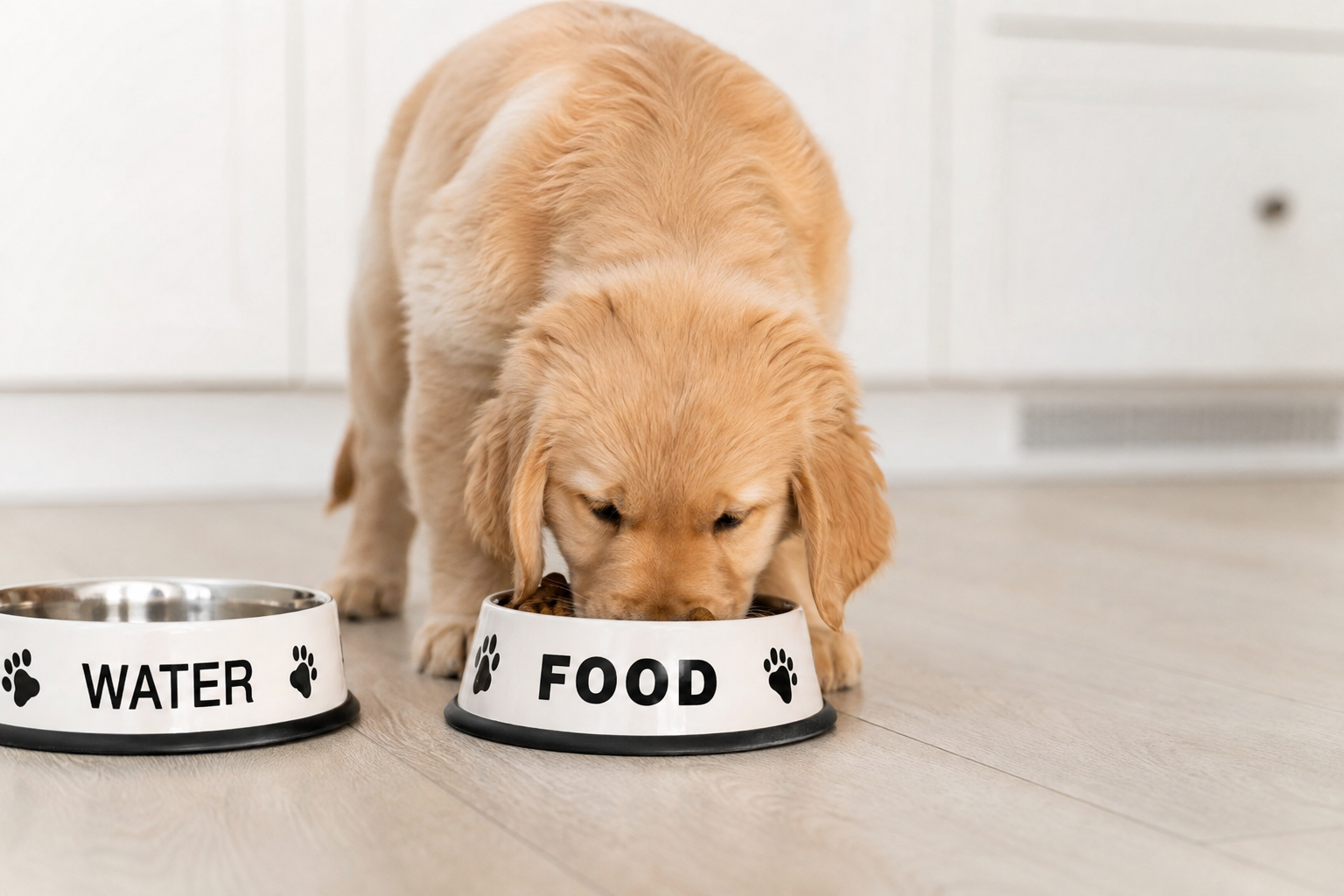
Taking care of a pet is a big responsibility, and one of the most important parts of good pet care is providing the right nutrition. Dogs and cats need a balanced diet to stay active, maintain a healthy weight, support their immune system, and enjoy a good quality of life. However, many pet owners make nutrition mistakes without realizing that these habits can affect their pet’s health over time.
Understanding common pet nutrition mistakes can help owners make better choices about food, treats, portions, and feeding routines. A healthy diet is not only about choosing expensive pet food. It is about giving your pet the right nutrients in the right amounts according to age, size, activity level, and individual needs.
Feeding Too Much Food
One of the most common nutrition mistakes pet owners make is overfeeding. Many owners believe that giving extra food shows love, but too many calories can quickly lead to weight gain. Obesity in pets can increase the risk of several health problems and may reduce their ability to stay active.
Pet food packages usually provide feeding guidelines based on weight and activity. These recommendations can be a useful starting point, but every pet is different. A highly active dog may need more calories than a less active dog of the same size. Similarly, an indoor cat may need fewer calories than a very active cat.
Measuring food instead of guessing portions can help prevent overfeeding. Regularly checking your pet’s body condition can also help you recognize weight changes early.
Giving Too Many Treats
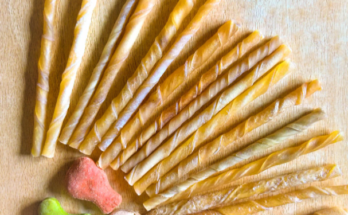
Treats are useful for training and can be a nice way to reward your pet. However, treats should not become a large part of the daily diet. Giving treats throughout the day without considering their calories is a common pet nutrition mistake.
Some treats are high in fat, sugar, or calories. When pets receive too many treats in addition to their regular meals, they may consume more calories than they need.
Choose appropriate treats and keep portions small. You can also use small pieces of suitable food as occasional rewards. Remember that treats should complement a balanced diet rather than replace it.
Choosing Food Only Because of Price
Price is an important consideration for many pet owners, but choosing pet food only because it is cheap can be a mistake. The cheapest option may not always provide the nutrition your pet needs.
When choosing pet food, look at the nutritional information and make sure the food is appropriate for your pet’s species and life stage. Puppies, kittens, adult pets, and senior pets can have different nutritional requirements.
This does not mean that the most expensive pet food is always the best choice. Instead, focus on nutritional quality, appropriate ingredients, feeding guidelines, and your pet’s individual needs.
Ignoring Your Pet’s Age and Life Stage
Pets have different nutritional requirements throughout their lives. Young animals need nutrients that support growth and development, while adult pets need a balanced diet that helps maintain their health and energy.
Senior pets may have different nutritional needs because their activity levels and metabolism can change with age. Continuing to feed the same type and amount of food throughout every stage of life without reviewing your pet’s needs can lead to nutritional problems.
Pet owners should regularly evaluate their pet’s diet as the animal grows older. A veterinarian can provide guidance about when a diet change may be appropriate.
Not Providing Enough Water
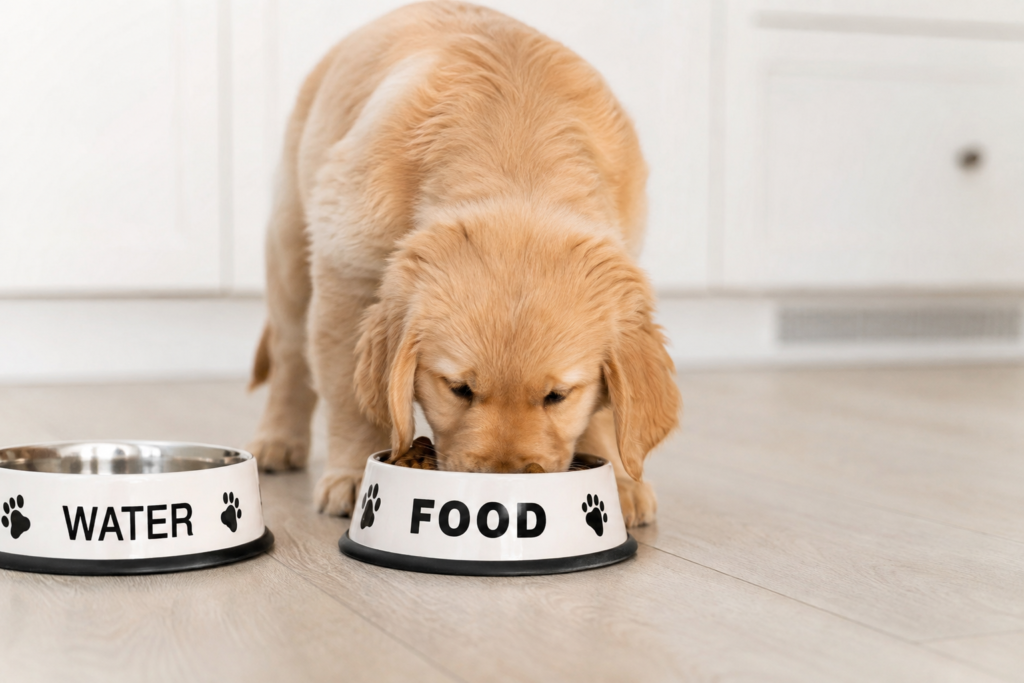
Good pet nutrition is not only about food. Water is equally important. Cats and dogs need access to clean and fresh water every day.
Some pets may not drink enough water, especially if they mainly eat dry food. Cats in particular can sometimes have low water intake. Providing fresh water in clean bowls and placing water in convenient locations can encourage drinking.
Wet food can also contribute to daily water intake, although it should still be part of a properly balanced diet. If you notice a major change in your pet’s drinking habits, it is important to discuss it with a veterinarian.
Feeding Human Food Too Often
Many pets enjoy human food, and it can be difficult to resist those begging eyes. However, regularly sharing meals can create unhealthy eating habits and contribute unnecessary calories.
Some human foods can also be dangerous for pets. Foods containing ingredients such as chocolate, onions, garlic, grapes, raisins, alcohol, or certain artificial sweeteners can be harmful to dogs and cats.
Instead of giving table scraps, choose pet appropriate treats when you want to reward your companion. If you want to give your pet a specific human food, make sure it is safe and suitable for that animal first.
Making Homemade Food Without Proper Guidance
Homemade pet food can sound like a healthy option because owners know exactly what ingredients are being used. However, simply combining meat, vegetables, rice, or other ingredients does not guarantee a complete and balanced diet.
Pets need specific amounts of protein, fats, vitamins, minerals, and other nutrients. A homemade diet that lacks essential nutrients can cause deficiencies over time.
If you want to feed homemade food regularly, it is best to work with a veterinarian or qualified veterinary nutrition professional. A properly planned diet is much safer than creating recipes based only on personal preferences.
Changing Food Too Quickly
Another common nutrition mistake is switching pet food suddenly. Some pets can develop digestive problems when their diet changes too quickly.
If you need to change your pet’s food, a gradual transition is usually easier on the digestive system. You can slowly introduce the new food while reducing the amount of the old food over several days.
The exact transition period may depend on your pet and the reason for the food change. If your pet develops ongoing vomiting, diarrhea, or refuses food, contact a veterinarian.
Ignoring Portion Sizes
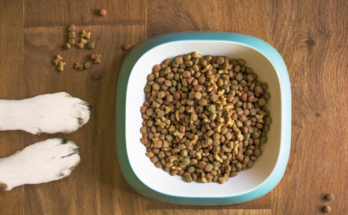
Even high quality pet food can cause weight problems when fed in excessive amounts. Pet owners sometimes fill the bowl without measuring and allow pets to eat whenever they want.
Portion control is especially important for pets that gain weight easily. Measuring meals can help you understand how much your pet is actually eating each day.
Your pet’s calorie needs may change because of age, activity level, body weight, or health conditions. Feeding portions should be adjusted when necessary rather than following the same routine forever.
Assuming Cats and Dogs Can Eat the Same Diet
Cats and dogs have different nutritional requirements. A cat should not be regularly fed a dog diet, and a dog should not depend on cat food as its main source of nutrition.
Cats are obligate carnivores and require certain nutrients that are essential to their health. Dogs have different nutritional requirements and can have more dietary flexibility.
Always choose food designed for the species you are feeding. If you have multiple pets, make sure each animal receives its appropriate diet.
Ignoring Weight Changes
Weight changes can be an important sign that your pet’s diet needs attention. Some owners do not notice gradual weight gain because they see their pet every day.
Regularly checking your pet’s body condition can help you identify changes. You should be able to feel the ribs without excessive fat covering them, while the overall body should have an appropriate shape for the animal.
Sudden weight loss or unexplained weight gain should not simply be blamed on food. Health problems can sometimes cause changes in body weight, so professional advice may be necessary.
Relying Too Much on Online Nutrition Advice
The internet provides a huge amount of information about pet nutrition, but not everything online is reliable. Social media posts and online articles may promote feeding practices that are not appropriate for every animal.
Pet nutrition advice should be based on trustworthy information and your pet’s individual needs. A veterinarian can help you understand which diet is suitable for your pet’s age, size, lifestyle, and health status.
Not Reading Pet Food Labels
Pet owners sometimes buy food without checking the label. Reading the packaging can provide useful information about ingredients, nutritional content, feeding recommendations, and the intended life stage of the food.
Understanding labels can help you compare different products and choose a food that matches your pet’s nutritional needs. If you are unsure about a particular ingredient or feeding recommendation, ask a veterinary professional for advice.
Forgetting That Every Pet Is Different
One of the biggest mistakes is assuming that every pet needs exactly the same diet. Two dogs of the same breed can have different calorie requirements. Two cats living in the same home may also have different nutritional needs.
Activity level, age, body condition, lifestyle, and health can all affect nutrition. Your pet’s diet should therefore be based on individual needs rather than following trends or copying another pet’s feeding routine.
Conclusion
Avoiding common nutrition mistakes is an important part of responsible pet ownership. Overfeeding, giving too many treats, ignoring portion sizes, providing an unbalanced homemade diet, changing food too quickly, and overlooking water intake can all affect pet health.
The best approach to pet nutrition is simple but consistent. Choose appropriate food, measure portions, provide fresh water, limit treats, avoid unsafe human foods, and review your pet’s nutritional needs as they grow and change.
A balanced diet can support healthy growth, strong immunity, good energy levels, and a healthy body weight. When you are uncertain about what your pet should eat, professional veterinary advice can help you make a safe and informed decision. By avoiding common pet nutrition mistakes, you can give your dog or cat a better chance of enjoying a healthy, active, and happy life.