As pets grow older, their nutritional needs begin to change. A young dog or cat may need food that supports fast growth and high energy, while a senior pet usually needs nutrition that helps maintain healthy weight, strong muscles, good digestion, and overall wellness. Choosing the right senior pet food can make an important difference in the quality of life of an older pet.
Senior pets may become less active with age, and their metabolism can also change. Some older pets gain weight easily, while others may lose muscle or have a lower appetite. This is why senior pet food is often made with carefully selected ingredients that support the changing needs of aging animals. A balanced diet, regular exercise, fresh water, and routine veterinary care can work together to keep senior pets healthy and comfortable.
What Is Senior Pet Food?
Senior pet food is specially formulated for older dogs and cats. There is no single age when every pet becomes a senior because aging depends on breed, size, genetics, and overall health. Large dogs often reach their senior years earlier than small dogs, while cats can remain active well into their later years.
The main goal of senior pet food is to provide balanced nutrition without giving an older pet more calories than it needs. Many formulas contain high quality protein, controlled calories, fiber, essential fatty acids, vitamins, minerals, and other nutrients that can support healthy aging.
Before changing your pet’s food, it is always a good idea to consider its individual needs. An older pet with a specific health problem may require a diet recommended by a veterinarian instead of a standard senior formula.
Health Benefits of Senior Pet Food
Supports Healthy Weight
Weight management becomes increasingly important as pets get older. Senior animals often become less active, which means they may burn fewer calories throughout the day. Feeding the same amount of high calorie food they ate when they were younger can lead to unwanted weight gain.
Senior pet food can help provide balanced nutrition with controlled calories. Maintaining a healthy body weight may reduce unnecessary pressure on joints and help an older pet stay active and comfortable.
Pet owners should also pay attention to portion sizes. Even healthy food can contribute to weight gain if a pet eats more calories than it needs.
Helps Maintain Strong Muscles
Muscle loss is a common concern as pets age. Older dogs and cats can gradually lose muscle mass if they do not receive enough protein or remain active.
Good senior pet food usually provides quality protein to help maintain lean muscle. Protein is important for many functions in the body and supports the maintenance of healthy tissues.
However, the amount and type of protein should be appropriate for the individual pet. Pets with certain medical conditions may need specific dietary guidance, so veterinary advice is especially important when an older animal has health concerns.
Supports Joint Health
Many senior pets become less comfortable moving as they age. They may take longer to stand up, avoid stairs, or spend more time resting. Proper nutrition can support overall joint and mobility health.
Some senior pet food formulas contain nutrients such as omega 3 fatty acids and ingredients commonly used to support joint function. These nutrients can be part of a healthy lifestyle for aging pets.
Food alone cannot solve every mobility problem, but a balanced diet combined with appropriate exercise and veterinary care can help support an older pet’s comfort and movement.
Improves Digestive Health
Digestive changes can also occur with age. Some senior pets may experience changes in appetite, stool quality, or digestion.
Senior pet food may contain appropriate levels of dietary fiber to support normal digestion and healthy bowel movements. Easily digestible ingredients can also be useful for pets with sensitive stomachs.
A sudden change in food can sometimes cause digestive problems. For this reason, it is better to introduce a new senior pet food gradually over several days.
Supports Heart Health
A balanced diet is an important part of overall heart health. Senior pet food can provide essential nutrients that help support normal body functions, including the cardiovascular system.
Controlled calories can also be useful because maintaining a healthy weight reduces the physical burden associated with excess body weight.
Pet owners should remember that nutrition needs vary between animals. If an older pet has been diagnosed with a heart condition, its veterinarian may recommend a specific diet.
Supports Brain and Cognitive Health
Some older pets experience changes in behavior as they age. They may sleep more, become less interested in activities, or appear confused in familiar situations.
Nutrition can play a role in supporting healthy aging of the brain. Some senior pet food formulas include nutrients such as antioxidants and omega 3 fatty acids that may help support normal cognitive function.
Keeping an older pet mentally active is also important. Simple games, gentle training, regular interaction, and safe exploration can provide useful mental stimulation.
Important Ingredients in Senior Pet Food
When choosing senior pet food, it is helpful to look beyond the front of the package and check the ingredient and nutrition information.
High quality protein is important for maintaining lean muscle. Healthy fats provide energy and essential fatty acids that support skin, coat, and other body functions. Fiber can support digestion, while vitamins and minerals help maintain normal health.
Omega 3 fatty acids are often included in senior diets because they can support healthy skin, coat, joints, and overall wellness. Antioxidant nutrients can also help support the body’s natural defenses.
Water is equally important. Older pets should have regular access to clean and fresh drinking water. Some pets may drink more easily when wet food is included in their diet, although the best feeding approach depends on the individual animal.
Wet Food or Dry Senior Pet Food?
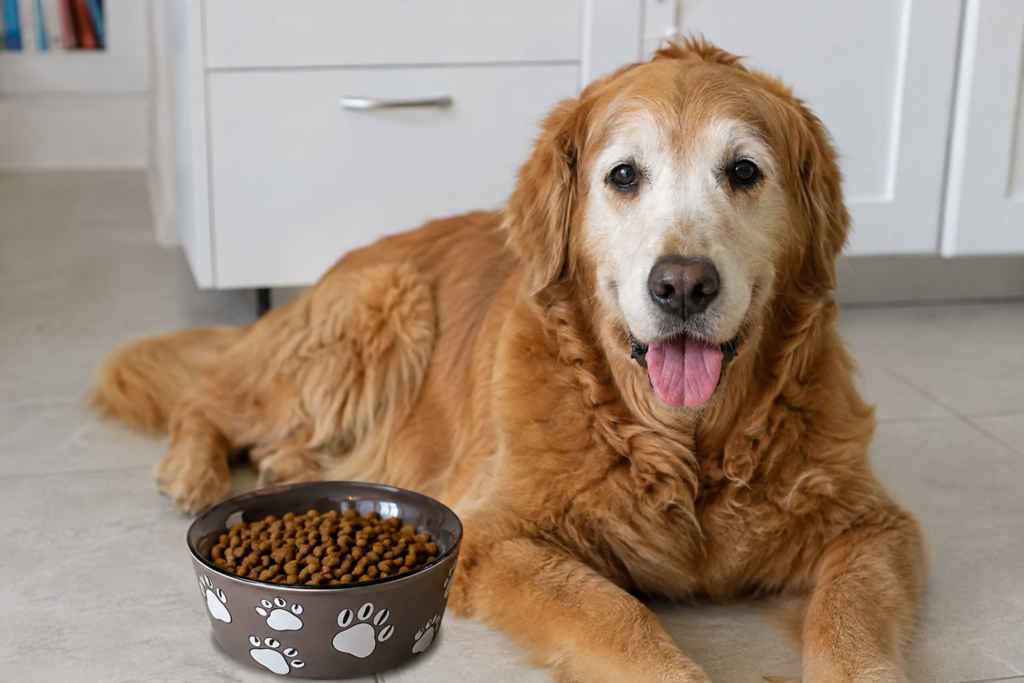
Both wet and dry senior pet food can have a place in an older pet’s diet. Dry food is convenient, easy to measure, and simple to store. Wet food has a higher moisture content and may be attractive to pets that prefer softer textures.
Some older pets develop dental problems or become less interested in hard food. In these cases, wet food or a softer diet may be easier to eat. However, dental health should still be checked by a veterinarian because changing food does not replace proper dental care.
Some pet owners choose a combination of wet and dry food. The important thing is to make sure the total daily calories remain appropriate.
How to Choose the Best Senior Pet Food
Choosing the best senior pet food starts with understanding your pet’s individual needs. Consider its age, size, activity level, current weight, appetite, and general health.
Look for food that provides complete and balanced nutrition for the appropriate life stage. Check the feeding instructions, but remember that these are general guidelines. Your pet may need more or less food depending on its activity and body condition.
It is also useful to introduce new food slowly. Mixing a small amount of the new food with the old food and gradually increasing the new food can make the transition easier.
If your pet has lost weight, gained weight quickly, stopped eating, developed unusual thirst, or shown other noticeable changes, speak with a veterinarian. These signs may indicate an underlying problem rather than simply normal aging.
Common Mistakes When Feeding Senior Pets
One common mistake is continuing to feed an older pet exactly like a young pet. Older animals often have different calorie and nutrient requirements.
Another mistake is giving too many treats. Treats should be included within the daily calorie intake and should not replace balanced meals.
Some owners also change food too quickly. A gradual transition is usually easier on the digestive system.
Finally, pet owners should not assume that every senior pet needs the same diet. A healthy senior dog may have very different nutritional needs from an older cat or a senior pet with a medical condition.
Final Thoughts
Senior pet food can be an important part of caring for an aging dog or cat. The right diet can help support healthy weight, muscle maintenance, digestion, mobility, skin and coat health, and overall wellness.
The best senior pet food is not simply the one with the most ingredients or the highest price. It is the food that provides complete and balanced nutrition while matching the individual needs of the pet.
As your pet gets older, regular veterinary checkups become increasingly valuable. A veterinarian can help monitor weight, dental health, mobility, appetite, and other changes and can recommend dietary adjustments when needed.
With proper nutrition, regular activity, fresh water, veterinary care, and plenty of attention, senior pets can continue to enjoy a happy and comfortable life. Choosing appropriate senior pet food is one simple but meaningful step toward supporting your pet through its later years.