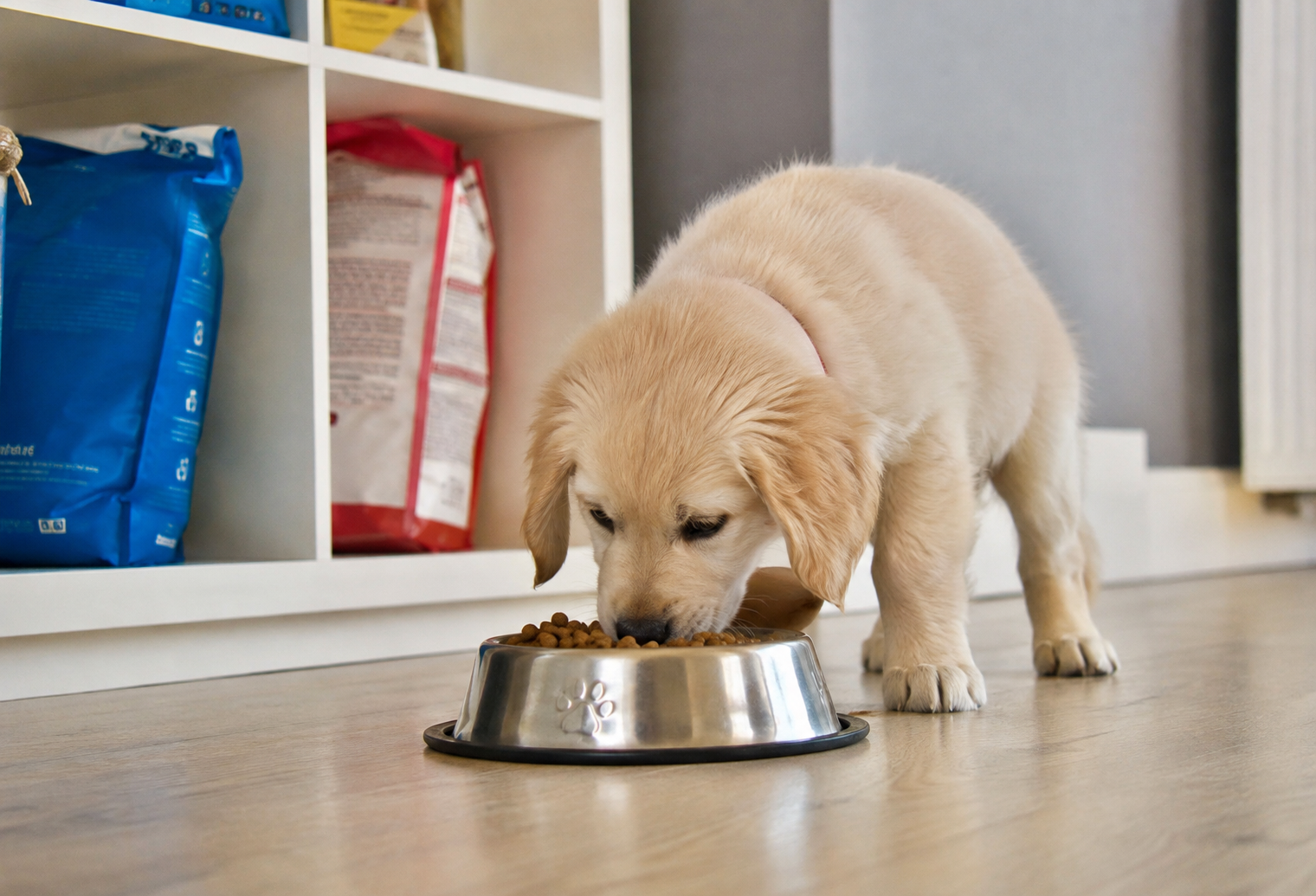
Choosing the best food for puppies and growing dogs is one of the most important decisions every dog owner makes. Puppies grow quickly during their early months, and their bodies need the right combination of protein, healthy fats, vitamins, minerals, and calories to support strong bones, muscles, brain development, and a healthy immune system. The food a puppy eats can have a major effect on its growth, energy level, and overall health.
Many new dog owners feel confused because pet stores offer many different types of puppy food. Some foods are made for small breeds, while others are designed for large breeds. There are also dry foods, wet foods, grain free foods, and foods with different protein sources. Understanding what growing dogs need can make choosing the right food much easier.
Why Puppy Nutrition Is So Important
Puppies have different nutritional needs compared with adult dogs. Their bodies are constantly developing, so they need more nutrients in the right balance. A healthy puppy diet provides enough energy for daily activity while supporting steady physical growth.
Good puppy food should contain high quality protein, healthy fats, carbohydrates, vitamins, and minerals. Protein supports muscle development and tissue repair. Healthy fats provide energy and help support brain and eye development. Vitamins and minerals help strengthen bones, teeth, and the immune system.
Feeding a puppy with poor quality food may result in slow growth, weak development, low energy, or other nutritional problems. This is why choosing balanced puppy food is better than simply selecting a food based on price or packaging.
High Quality Protein for Growing Puppies
Protein is one of the most important nutrients in the best food for puppies. Growing dogs need protein to build muscles, skin, organs, and other tissues. Puppies are naturally active, and their bodies use protein regularly for growth and repair.
Look for puppy food that lists a quality animal protein source among its main ingredients. Chicken, turkey, beef, lamb, and fish are common protein sources found in dog food. Some puppies may have food sensitivities, so the right protein source can depend on the individual dog.
Protein should be part of a complete and balanced diet rather than the only focus. Puppies need several nutrients working together to support healthy development.
Healthy Fats for Energy and Development
Growing dogs need plenty of energy because they spend much of their day exploring, playing, and learning. Healthy fats are an excellent source of concentrated energy and also support important body functions.
Omega 3 fatty acids are especially useful for growing puppies. They can support brain and eye development and contribute to healthy skin and a shiny coat. Fish oil and certain fish ingredients can provide useful omega 3 fatty acids.
However, more fat is not always better. Puppy food should provide an appropriate balance of fat and other nutrients. Too many calories can cause excessive weight gain, which may put unnecessary pressure on developing bones and joints.
Calcium and Phosphorus for Strong Bones
Calcium and phosphorus are essential minerals for puppies because their bones and teeth are developing rapidly. These minerals need to be present in the correct amounts and proportions.
This is particularly important for large breed puppies. Feeding a large breed puppy food designed specifically for controlled growth can help provide appropriate nutrition without excessive calories or minerals.
Adding extra calcium or other supplements without veterinary guidance is usually not a good idea. A complete puppy food should already contain the nutrients a growing dog needs.
Choosing Food for Small and Large Breed Puppies
Not every puppy should eat exactly the same food. Small breed puppies usually have faster metabolisms and may need food with smaller pieces that are easy to chew. Their food can also be more calorie dense because they have small stomachs but high energy needs.
Large breed puppies grow for a longer period and need carefully balanced nutrition. Food designed for large breed puppies generally focuses on controlled calorie intake and appropriate mineral levels.
When buying puppy food, check the label to see whether it is designed for your dog’s expected adult size. This simple step can help you choose a food that better matches your puppy’s growth requirements.
Dry Food for Puppies
Dry puppy food is a popular choice because it is convenient, easy to store, and simple to measure. Many quality dry foods are formulated to provide complete nutrition for growing dogs.
The texture of dry food may also encourage puppies to chew, although it should not be considered a replacement for proper dental care. Always provide fresh drinking water along with dry food.
Choose a dry puppy food that is appropriate for your puppy’s age, breed size, and nutritional needs. Avoid choosing food only because the package looks attractive or contains marketing claims.
Wet Food for Growing Dogs
Wet puppy food contains a high amount of moisture and can be especially useful for puppies that do not drink enough water. Many puppies also find wet food highly appealing because of its smell and texture.
Wet food can be fed alone if it is complete and balanced for puppies, or it can sometimes be mixed with dry food. If you combine different foods, remember that the total amount of calories matters.
When selecting wet food, read the nutritional information and make sure it is intended for puppies or growing dogs. Foods made only for occasional feeding may not provide everything a puppy needs for long term growth.
How Often Should Puppies Eat?
Young puppies usually need several meals throughout the day because their stomachs are small and their energy requirements are high. As puppies grow, the number of daily meals can gradually decrease.
The correct feeding amount depends on the puppy’s age, size, breed, activity level, and the calorie content of the food. The feeding guide on the package can provide a useful starting point.
Owners should also watch their puppy’s body condition. A puppy should grow steadily without becoming excessively overweight. Regular veterinary checkups can help make sure growth is progressing properly.
Avoid Overfeeding Growing Dogs
One common mistake among puppy owners is giving too much food. Puppies can be very active and may always appear hungry, but extra food does not necessarily mean healthier growth.
Overfeeding can contribute to excessive weight gain and may place additional stress on developing bones and joints. Treats should also be included when considering the puppy’s total daily calorie intake.
Measure meals instead of filling the bowl without checking the amount. Adjust portions as your puppy grows and according to guidance from your veterinarian.
Ingredients to Look For in Puppy Food
When choosing the best puppy food, look for a product that provides complete and balanced nutrition for growth. A quality food should contain appropriate sources of protein, fat, carbohydrates, vitamins, and minerals.
Animal protein can be an important ingredient, while healthy fats can provide energy and essential fatty acids. Some puppy foods also contain ingredients such as vegetables, grains, fruits, or other sources of carbohydrates and fiber.
There is no single ingredient that automatically makes a food perfect for every puppy. The overall nutritional balance is more important than focusing on one ingredient.
Should Puppies Eat Homemade Food?
Some owners prefer preparing homemade food for their dogs. While homemade meals can contain healthy ingredients, creating a complete diet for a growing puppy can be difficult.
Puppies need precise amounts of many nutrients. A homemade diet that is missing important vitamins or minerals can affect normal development. If you want to feed homemade food regularly, it is best to work with a veterinarian or qualified veterinary nutrition professional to create a properly balanced diet.
Treats and Snacks for Puppies
Treats can be useful for training and building positive habits, but they should not replace balanced puppy food. Choose small treats that are appropriate for puppies and avoid giving large amounts.
Healthy snacks can include small pieces of suitable cooked foods, depending on the puppy’s individual needs. Avoid foods that are dangerous for dogs, including chocolate, grapes, raisins, onions, garlic, and products containing xylitol.
When to Change Puppy Food
Puppies should not have their food changed suddenly unless there is a specific reason. A sudden change can cause digestive problems such as loose stools or vomiting.
If you need to change your puppy’s food, gradually mix the new food with the old food over several days. This gives the digestive system time to adjust.
As your dog reaches adulthood, the transition from puppy food to adult dog food should also be handled gradually. The right timing depends on breed size and individual growth.
Final Thoughts
The best food for puppies and growing dogs is a complete and balanced diet that provides the nutrients required for healthy development. High quality protein, healthy fats, appropriate calories, vitamins, and minerals all play important roles in helping puppies grow into strong and active adult dogs.
Choose food according to your puppy’s age, breed size, activity level, and individual needs. Small breed and large breed puppies can have different nutritional requirements, so selecting the correct formula is important. Avoid overfeeding and be careful with treats and supplements.
Most importantly, monitor your puppy’s growth and speak with a veterinarian if you have concerns about weight, digestion, appetite, or development. With the right puppy nutrition and proper feeding habits, you can give your growing dog a strong foundation for a healthy and active life.