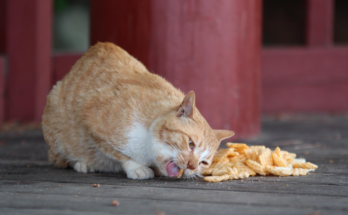
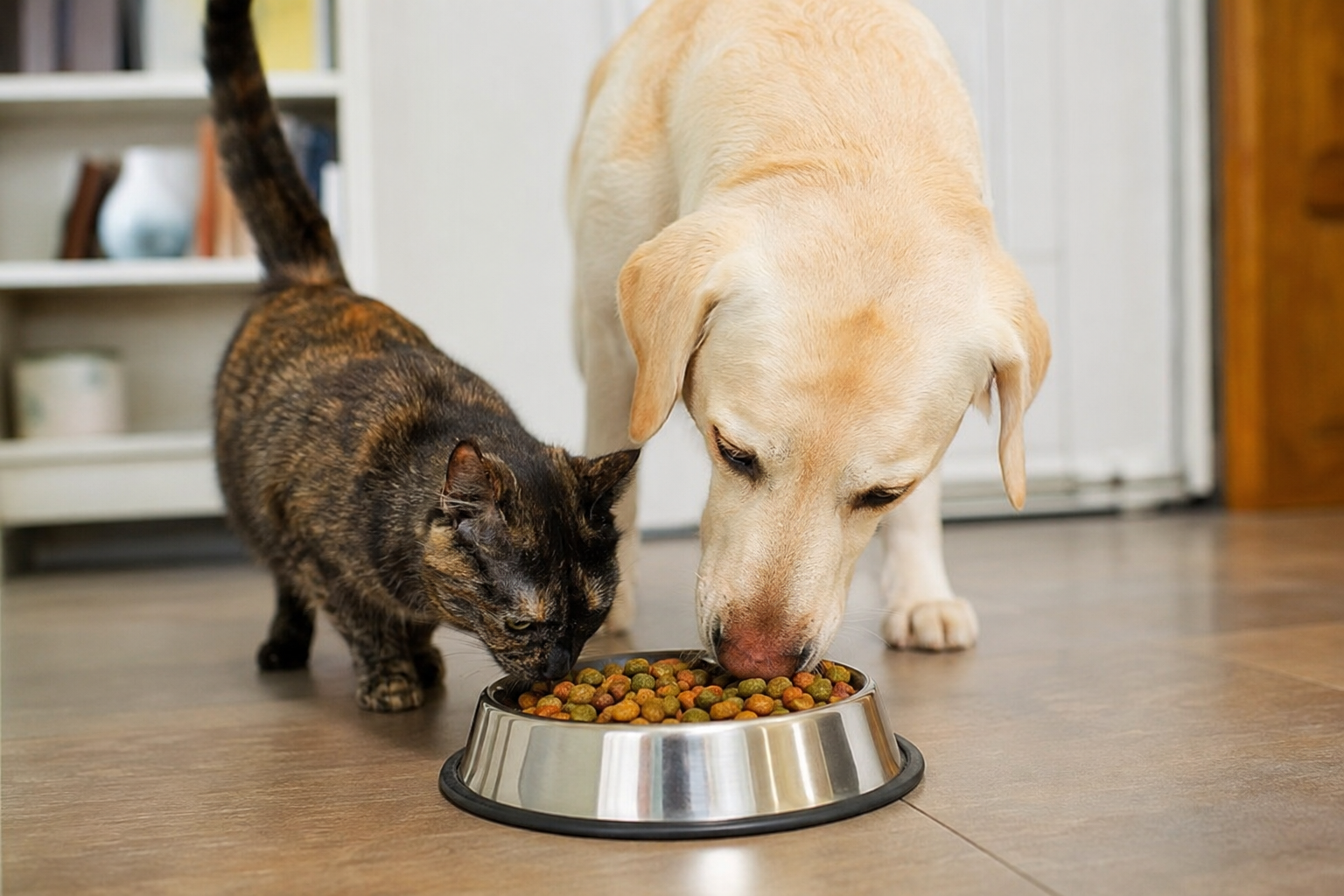
Active and energetic pets need proper nutrition to stay healthy, strong, playful, and full of energy. Whether you have a highly active dog, an energetic cat, or another pet that spends a lot of time running and playing, the right food can make a big difference in overall health. Pets that exercise regularly use more energy than less active animals, so their diet should provide enough protein, healthy fats, vitamins, minerals, and other essential nutrients.
Choosing the best food for active pets is not only about giving them more food. Quality is more important than quantity. A balanced pet diet can support strong muscles, healthy bones, good digestion, a shiny coat, and steady energy throughout the day. This article explains what active pets need in their diet and how pet owners can choose healthy food for energetic pets.
Why Active Pets Need Better Nutrition
Active pets burn more calories because they move, play, run, jump, and exercise frequently. Working dogs, athletic dogs, outdoor cats, and highly playful pets may need more energy than pets that spend most of their time resting.
If an active pet does not receive enough nutrition, it may lose weight, become tired, or have difficulty maintaining muscle. On the other hand, giving too many calories can lead to unhealthy weight gain. The goal is to provide the right amount of high quality nutrition according to the pet’s age, size, activity level, and individual needs.
The best food for active pets should provide balanced nutrition rather than focusing on only one nutrient. Protein, fats, carbohydrates, vitamins, minerals, and water all have important roles in keeping an energetic pet healthy.
Protein Is Important for Active Pets
Protein is one of the most important nutrients for active dogs and cats. It helps build and maintain muscles and supports many normal body functions. Pets that exercise frequently need enough protein to help their bodies recover after physical activity.
Good sources of animal based protein can include chicken, turkey, beef, fish, eggs, and other suitable meat ingredients. When choosing active pet food, look at the ingredient list and check whether a quality protein source is included.
Cats have a particularly high need for animal based nutrients because they are obligate carnivores. A good cat food for active cats should provide appropriate animal protein as part of a complete and balanced diet.
Dogs can also benefit from a protein rich diet, especially when they are involved in regular exercise, training, hiking, or other physical activities. However, more protein is not always better. The overall diet should be balanced for the individual pet.
Healthy Fats Provide Energy
Healthy fats are another important part of nutrition for energetic pets. Fat provides concentrated energy, which makes it especially useful for animals with high activity levels.
Certain fats can also support healthy skin and a shiny coat. Omega 3 fatty acids, for example, are commonly included in quality pet foods and can support normal skin and coat health.
Fish and fish oils can provide beneficial fatty acids, while other animal fats can contribute energy and improve the taste of pet food. When selecting food for active pets, look for a formula that provides appropriate levels of healthy fats without excessive calories.
The right amount depends on the pet’s activity level and body condition. An active pet may need more dietary energy than a sedentary pet, but portion control is still important.
Carbohydrates Can Support Daily Activity
Carbohydrates can provide an additional source of energy for many dogs and cats. Ingredients such as rice, oats, potatoes, sweet potatoes, and other suitable carbohydrate sources may be included in pet food.
Dogs can generally use carbohydrates as part of a balanced diet. They can provide energy for daily movement and exercise. Some carbohydrate sources also provide fiber, which can support normal digestion.
Cats have different nutritional requirements and do not have the same dietary need for carbohydrates as dogs. For cats, the focus should remain on a complete diet that meets their specific nutritional requirements.
The best food for energetic pets should use appropriate ingredients in balanced amounts rather than relying heavily on any single nutrient.
Vitamins and Minerals Support Overall Health
Active pets need more than protein and calories. Vitamins and minerals are also essential for maintaining normal body functions.
Calcium and phosphorus help support strong bones and teeth. Iron supports normal blood function, while zinc and other minerals contribute to many important processes in the body. Vitamins also help support normal immune function, metabolism, skin health, and other areas of wellness.
A complete and balanced commercial pet food is generally designed to provide essential nutrients in appropriate amounts. Pet owners should avoid creating homemade diets without professional nutritional guidance because missing or excessive nutrients can cause problems over time.
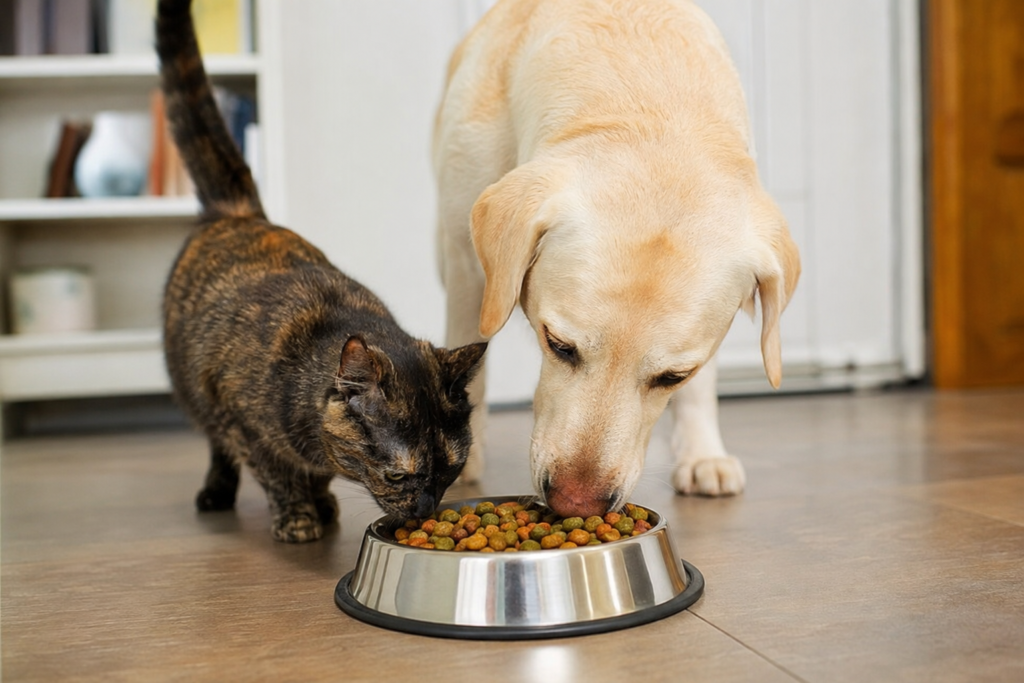
Choosing the Best Food for Active Dogs
When choosing the best dog food for active dogs, consider the dog’s age, breed size, body condition, and exercise routine. A dog that takes a short daily walk has different energy needs from a working dog that spends several hours exercising.
Active adult dogs may benefit from food that provides adequate protein and energy. Dogs involved in demanding activities may need specially formulated performance diets, but these should be selected carefully.
Always check feeding recommendations on the package and adjust portions based on your dog’s body condition. If your dog is losing weight despite eating normally, seems unusually tired, or has other changes in health, speak with a veterinarian.
Choosing the Best Food for Active Cats
Active cats also need proper nutrition to support their lifestyle. Cats that spend time playing, climbing, hunting toys, or exploring outdoors may use more energy than very inactive cats.
A quality cat food should provide sufficient animal protein and essential nutrients. Wet cat food can also contribute moisture to the diet, while dry food can be convenient and calorie dense. Some owners use a combination of wet and dry food to provide variety.
Portion size is important because some cats continue eating when food is freely available. Even an energetic cat can gain excess weight if it regularly consumes more calories than it uses.
Hydration Is Essential
Water is one of the most important parts of a healthy diet for active pets. Exercise and warm weather can increase the need for fluids. Pets should always have access to clean and fresh drinking water.
Wet food can provide additional moisture, especially for cats that do not naturally drink much water. Dogs that exercise outdoors should also have access to water before, during, and after demanding activities.
Signs of dehydration can include unusual tiredness, dry gums, and reduced interest in food or activity. If you are concerned about your pet’s hydration or health, contact a veterinarian.
How Much Food Does an Active Pet Need?
There is no single feeding amount that works for every active pet. Calorie requirements depend on body size, age, breed, metabolism, activity level, and health condition.
Start with the feeding guide provided by the pet food manufacturer, then observe your pet’s body condition and energy levels. A healthy active pet should maintain an appropriate body weight while remaining energetic and comfortable.
Treats should also be included in the daily calorie intake. Giving too many treats can quickly increase calorie consumption even when the main food is well balanced.
Foods to Avoid for Active Pets
Providing healthy pet food also means avoiding foods that may be unsafe. Chocolate, onions, garlic, grapes, raisins, alcohol, and products containing xylitol can be dangerous for dogs and cats.
It is also best to avoid giving pets heavily seasoned, greasy, or highly processed human foods. Table scraps may contain ingredients that are unsuitable for animals.
Instead of sharing unhealthy snacks, choose treats designed specifically for pets and give them in moderation.
Homemade Food for Energetic Pets
Some pet owners prefer homemade pet food because they want more control over ingredients. Homemade diets can be suitable in some situations, but they must be carefully balanced.
Simply feeding meat and rice, for example, does not provide all the nutrients a pet needs. Long term nutritional deficiencies can develop when important vitamins and minerals are missing.
If you want to prepare homemade food for an active pet, ask a veterinarian or qualified veterinary nutrition professional for guidance. This can help ensure that the diet provides appropriate nutrition for your pet’s individual needs.
Final Thoughts
The best food for active and energetic pets should provide balanced nutrition that supports energy, muscles, digestion, healthy skin, and overall wellness. Protein is important for muscle maintenance, healthy fats provide concentrated energy, and appropriate carbohydrates can support daily activity. Vitamins, minerals, and water are also essential.
Every pet has different nutritional needs, so food portions and diet choices should be based on age, size, activity level, and health condition. A highly active pet may require more calories than a less active animal, but excessive feeding can still cause weight problems.
By choosing high quality pet food, providing fresh water, controlling portions, and paying attention to changes in body condition, pet owners can help their energetic companions stay active and healthy. Good nutrition is one of the simplest ways to support a happy, playful, and active life for your pet.